Understanding Proximity Sensor Replacement Costs
The question "How much does it cost to replace a proximity sensor?" is common in industrial maintenance, but the answer is rarely a simple figure. The total expense is a composite of several variables, including the sensor type, brand, environmental specifications, and labor. A basic, non-shielded inductive sensor for general-purpose detection might start as low as $20 to $50 per unit. However, for specialized applications requiring long-range sensing, extreme temperature tolerance, or specific housing materials like stainless steel, prices can quickly escalate to $150 to $400 or more per sensor. It is crucial to view replacement not just as a component purchase but as a project involving diagnosis, installation, and potential downtime costs.
Key Factors Influencing Sensor Price
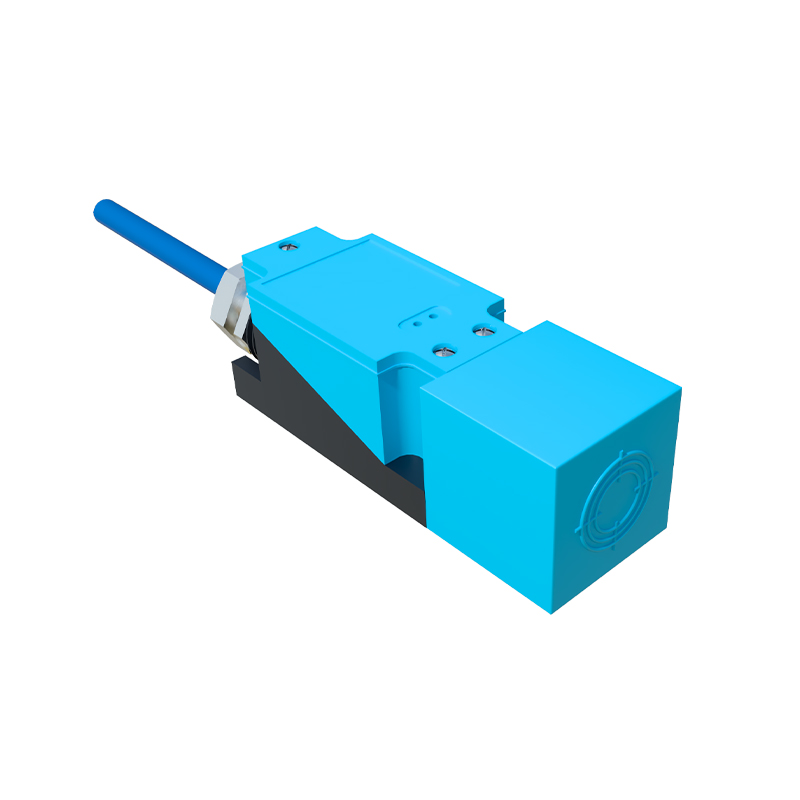
Several technical specifications directly dictate the price point of a proximity sensor. Firstly, the sensing technology—inductive, capacitive, or ultrasonic—carries different cost structures. Inductive sensors, detecting metals, are often the most economical. Capacitive sensors, which can detect non-metals, and ultrasonic sensors, used for distance measurement, are typically more expensive. Secondly, the sensing range is a major cost driver; a sensor with a 2mm range is standard, whereas one with a 30mm range commands a premium. Additional features like embedded IO-Link communication for Industry 4.0 integration, high IP ratings for washdown environments (IP67/IP69K), and specialized outputs (PNP vs. NPN, Namur) all add to the base cost.
The Hidden Costs of Replacement
Focusing solely on the unit price of the sensor is a common oversight. The true cost of replacement encompasses several hidden factors. Downtime is often the most significant expense. The process of diagnosing a faulty sensor, procuring a replacement, and performing the installation halts production. For a high-speed assembly line, this can translate to thousands of dollars per hour in lost output. Labor costs for a qualified electrician or technician must also be factored in, which can range from $75 to $150 per hour depending on region and expertise. Furthermore, there may be costs associated with updating machine software or recalibrating the system post-installation to ensure optimal performance.
OEM vs. Aftermarket Sensor Considerations
A critical decision point is choosing between an Original Equipment Manufacturer (OEM) sensor and a compatible aftermarket alternative. OEM sensors, provided by the machine builder (e.g., Siemens, Allen-Bradley, Omron), guarantee perfect compatibility and are often required to maintain warranty coverage. However, they come with a substantial price premium, sometimes 50-100% higher than equivalents. Aftermarket sensors from reputable industrial suppliers can offer significant savings and comparable performance, but they require diligent verification of specifications: voltage, output type, housing dimensions, and thread size. Using an incompatible sensor risks machine malfunction or damage.
Cost-Saving Strategies for Maintenance Teams
Proactive maintenance strategies can effectively manage and reduce the long-term cost of proximity sensor replacement. Implementing a standardized sensor inventory for common machine types reduces emergency procurement lead times and costs. Buying in bulk for high-failure-rate sensors can secure volume discounts. Training maintenance personnel on proper installation techniques—ensuring correct mounting, alignment, and cable management—can dramatically extend sensor lifespan. Additionally, investing in sensors with higher ingress protection (IP rating) for harsh environments, despite a higher upfront cost, can prevent frequent failures and reduce total cost of ownership.
Estimating Your Total Project Cost
To create a realistic budget for a proximity sensor replacement project, develop a simple checklist. Start with the direct cost: research and quote the exact sensor model. Next, estimate labor: typically 1-2 hours for diagnosis and replacement. Crucially, calculate potential downtime cost by consulting production management. Finally, include any ancillary costs for consumables (wire, connectors) or software updates. A sample estimate might look like: Sensor Unit ($120) + Labor (2 hours @ $100/hr = $200) + Downtime (1 hour of lost production @ $500/hr) = Total Project Cost of $820. This holistic view is essential for accurate financial planning and justifying investments in higher-quality components or predictive maintenance technologies.