Introduction to Lens Fogging in Industrial Sensors
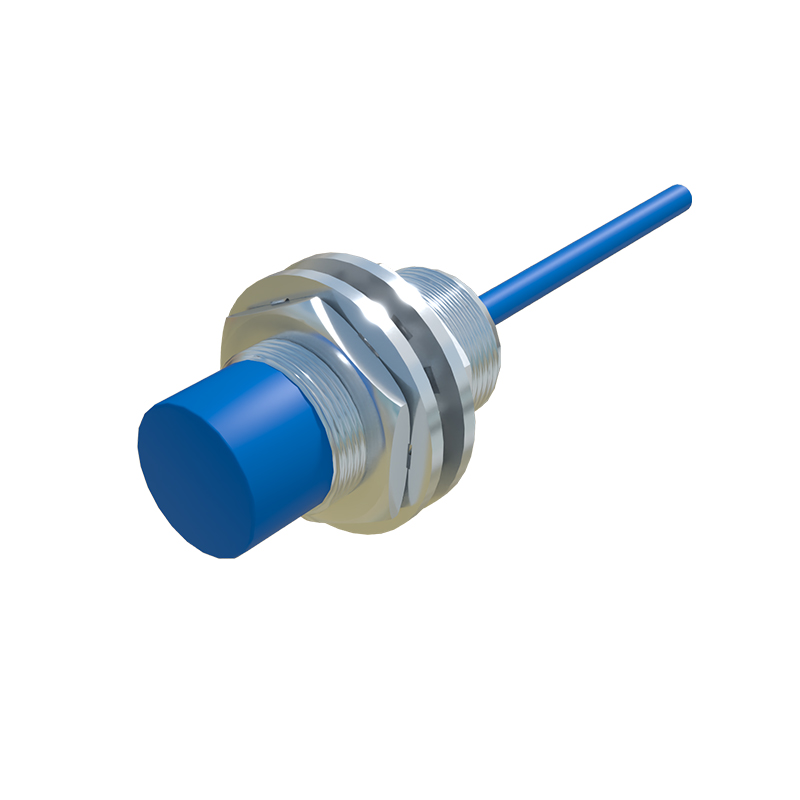
Fogging or hazing on the lens of a proximity or photoelectric sensor is a prevalent and often perplexing issue in industrial automation. This phenomenon, where the interior of the sensor's protective window or lens appears clouded, milky, or covered with a fine film, directly compromises the sensor's core functionality. These sensors rely on the precise emission and reception of light (infrared, laser, or visible) to detect the presence, absence, or distance of an object. Any obstruction on the lens, especially internal fogging, scatters and attenuates the light beam, leading to unreliable detection, false triggers, or complete sensor failure. Understanding the root causes, implications, and solutions is critical for maintaining robust and dependable automation systems.
Primary Causes of Internal Condensation and Contamination
Internal fogging is typically not due to external dirt but rather to physical and chemical processes occurring within the sealed housing. The most common cause is condensation. Despite being sealed, sensors are not always hermetically isolated from atmospheric air during assembly. This trapped air contains moisture (water vapor). When the sensor undergoes rapid temperature cycling—such as being powered on in a cold environment, exposed to washdown cycles, or situated near heat sources—the internal temperature can drop below the dew point of the enclosed air. This causes the moisture to condense on the coolest surface, often the lens, which is in direct contact with the external environment. Another significant cause is outgassing. Internal components like adhesives, sealants, cable insulation, or circuit board coatings can release volatile organic compounds (VOCs) over time, especially when heated by the sensor's own electronics or ambient conditions. These vapors then deposit as a permanent, often yellowish, film on the lens interior.
Impact on Sensor Performance and System Reliability
The performance degradation is not merely cosmetic. A fogged lens acts as a diffuser, scattering the emitted light beam. This reduces the effective sensing range dramatically. A sensor rated for 10 meters may only achieve 2 or 3 meters. More critically, it reduces the signal strength of the reflected light received by the sensor's phototransistor or receiver. This leads to inconsistent detection, where the sensor may fail to detect a present object (false negative) or, conversely, may trigger erratically due to receiving scattered reflections from non-target surfaces (false positive). In precision applications like positioning or edge detection, this inconsistency can cause production line stoppages, product damage, and significant downtime. The problem often worsens gradually, making it a silent and progressive failure mode.
Preventive Design and Selection Strategies
Prevention is vastly more effective than remediation. When specifying sensors for challenging environments, engineers should prioritize models designed to combat these issues. Look for sensors with specific ratings and features. IP69K-rated housings offer the highest level of protection against high-pressure, high-temperature washdowns, ensuring a more robust seal. Some manufacturers fill the sensor head with an inert gas like nitrogen or use special potting compounds to displace moisture-laden air and suppress internal condensation. Sensors with "lens fouling detection" circuits are invaluable; they monitor the strength of the returned signal and can output a warning signal when lens contamination (internal or external) reaches a critical level, allowing for proactive maintenance. Always consult the sensor's technical data for its operating temperature range and ensure it is suitable for the expected thermal cycles in the application.
Corrective Actions and Maintenance Protocols
Once internal fogging has occurred, options are limited due to the sealed nature of the device. Attempting to open the sensor housing will void warranties, break the environmental seal, and likely introduce more contaminants. For condensation-related fogging that appears and disappears with temperature changes, the problem may be intermittent. In some cases, allowing the sensor to stabilize at a constant temperature for an extended period (e.g., 24-48 hours powered in a stable environment) can allow the moisture to re-absorb into the internal air or redistribute. However, this is not a guaranteed or permanent fix. For film deposits from outgassing, there is no practical field repair. The most reliable corrective action is replacement with a new sensor of a more suitable design. Implementing a regular inspection schedule, using the sensor's diagnostic outputs (if available), and keeping a log of sensor failures can help identify environmental patterns and inform better future selection.
Conclusion: Ensuring Long-Term Sensor Integrity
Fogging within proximity and photoelectric sensor lenses is a failure mode rooted in environmental physics and material science. It underscores the importance of viewing sensors not as simple electronic components but as integrated electro-mechanical systems that must survive in harsh industrial