Introduction to Photoelectric Sensors in Printing
Photoelectric sensors are fundamental components in modern printing technology, serving as the critical eyes of the machine. In Pantum printers, these sensors play a pivotal role in ensuring precision, reliability, and high-quality output. They operate on the principle of converting light signals into electrical signals, enabling the printer to detect the presence, position, and movement of paper, toner cartridges, and internal mechanisms. The accuracy of these sensors directly impacts print registration, paper jam detection, and overall operational efficiency. As printing technology evolves towards higher speeds and greater complexity, the sophistication of photoelectric sensors has become a key differentiator in printer performance and durability.
Core Operating Principles and Types
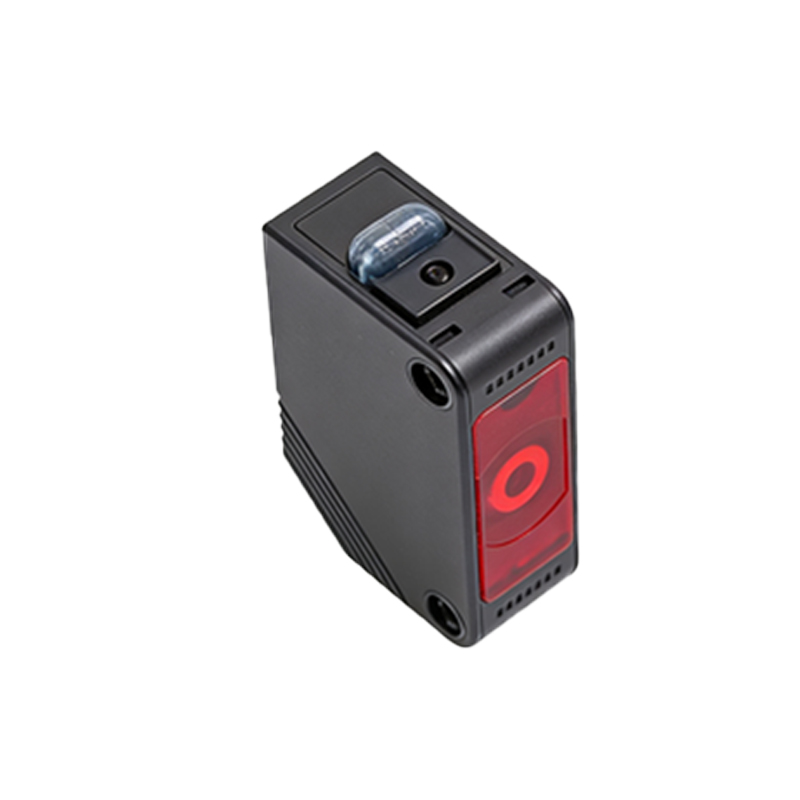
Pantum printers typically utilize several types of photoelectric sensors, each tailored for specific functions. The most common are through-beam (or transmission) sensors and reflective (or diffuse) sensors. Through-beam sensors consist of separate emitter and receiver units. The emitter projects a light beam, often infrared or visible LED, across a gap to the receiver. An object, like a sheet of paper, interrupts this beam, triggering a signal change. This type offers high precision and is often used for paper path detection. Reflective sensors house both the emitter and receiver in a single unit. They detect objects by measuring the light reflected back from the target surface. These are frequently employed for detecting toner levels or the position of moving parts like the drum unit. The choice of sensor type depends on factors such as required sensing distance, environmental conditions, and the nature of the target object.
Key Applications Within Pantum Printers
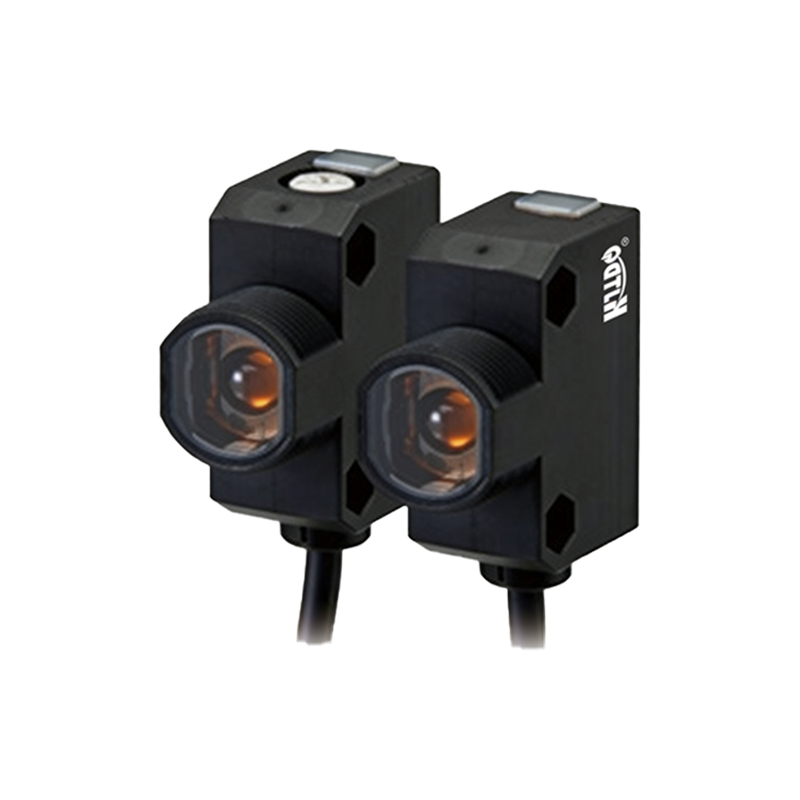
The integration of photoelectric sensors is extensive throughout a Pantum printer's architecture. A primary application is paper path monitoring. Sensors are strategically placed at the paper tray pickup area, along the paper feed path, and near the fuser unit. They detect the leading and trailing edges of each sheet, ensuring proper timing for image transfer and preventing multi-sheet feeds or misfeeds. Another critical use is in cartridge and drum unit detection. Sensors verify the correct installation and presence of consumables, and some models use optical mechanisms to estimate toner powder levels. Furthermore, sensors monitor the rotational position and speed of the polygon mirror in laser scanning units, which is essential for accurate laser beam modulation and image formation on the photoconductive drum.
Common Failure Modes and Diagnostic Indicators
Despite their robustness, photoelectric sensors can fail, leading to printer errors. The most common issues stem from contamination. Dust, toner particles, or paper debris can accumulate on the sensor's lens or emitter window, obstructing the light path and causing false readings or failure to detect. This often manifests as persistent "paper jam" errors even when the path is clear, or "no cartridge" alerts despite proper installation. Physical damage, though less common, can occur from mishandling during maintenance. Electrical failures in the sensor's internal components or its connecting circuitry are another potential point of failure. Diagnostic procedures typically involve visual inspection for contamination, checking connector integrity, and using the printer's service mode to monitor the real-time status signal from each sensor to identify erratic behavior.
Maintenance and Best Practices for Longevity
Proactive maintenance is crucial for ensuring the long-term reliability of photoelectric sensors in Pantum printers. The single most effective practice is maintaining a clean internal environment. Regular cleaning of the paper path, using approved vacuum tools to remove loose toner and debris, helps prevent sensor contamination. When cleaning a sensor lens, use a soft, lint-free cloth slightly dampened with distilled water or isopropyl alcohol; avoid abrasive materials or excessive pressure. During component replacement or repair, always power off and unplug the printer to prevent electrostatic discharge, which can damage sensitive electronic components. Furthermore, using genuine Pantum consumables and paper recommended for the printer model minimizes the generation of excess dust and debris that could interfere with sensor operation.
Future Trends and Technological Advancements
The evolution of photoelectric sensing in printing aligns with broader industry trends towards IoT connectivity, predictive maintenance, and enhanced automation. Future Pantum printers may incorporate sensors with integrated microprocessors capable of more sophisticated signal processing, allowing them to distinguish between different types of paper or detect subtle wear on mechanical components before failure. Advancements in miniaturization and the integration of multiple sensing modalities (e.g., combining photoelectric sensing with capacitive or magnetic sensing) could lead to more compact and multifunctional sensor units. Additionally, as sustainability becomes a greater focus, sensors will play a key role in optimizing energy consumption by precisely controlling component activation only when needed, based on accurate real-time detection.