Introduction to God's Eye Photoelectric Sensors
In the rapidly evolving landscape of industrial automation, the demand for sensors that offer unparalleled precision, reliability, and adaptability has never been greater. Among the forefront of this technological advancement stands the God's Eye photoelectric sensor. This sophisticated device represents a significant leap forward from conventional photoelectric sensors, integrating cutting-edge optics, advanced signal processing algorithms, and robust construction to meet the rigorous demands of modern manufacturing, logistics, and process control environments. Its name, evocative of omnipresent and precise observation, aptly describes its core capability: to detect, measure, and monitor objects with exceptional accuracy across challenging conditions.
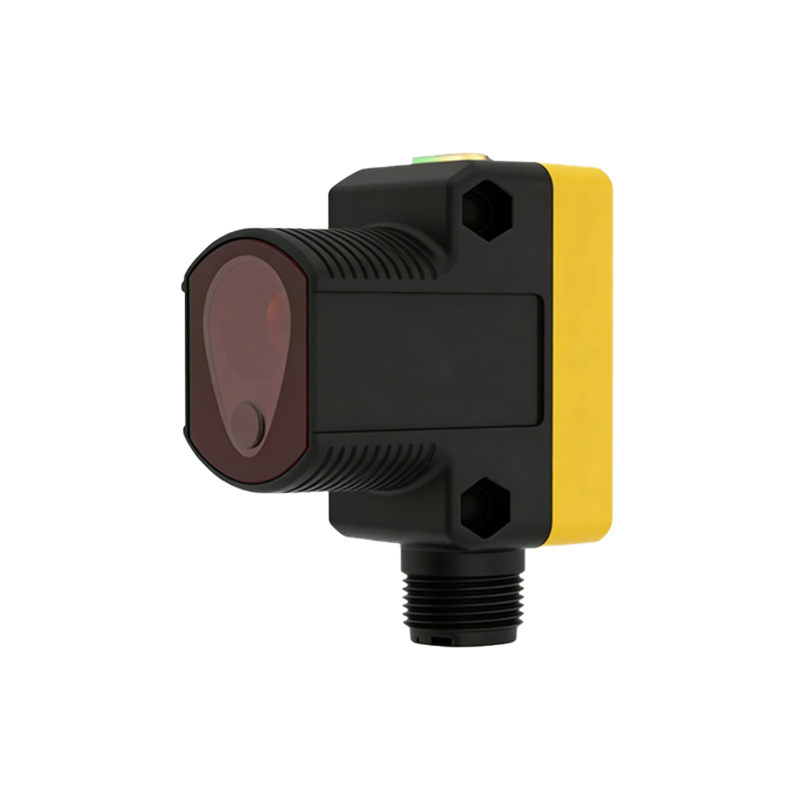
Core Technology and Operating Principles
At its heart, the God's Eye photoelectric sensor operates on the fundamental principle of light beam modulation and reception. However, it distinguishes itself through several key technological enhancements. Utilizing high-intensity, focused LED or laser light sources, it emits a precise beam. The sensor's receiver, equipped with a highly sensitive phototransistor or photodiode array, detects changes in the received light signal—whether through beam interruption (through-beam mode), reflection from the target (retro-reflective mode), or reflection from the object itself (diffuse reflective mode). Advanced models incorporate background suppression technology, which allows them to ignore reflections from surfaces beyond a programmed set distance, and polarized filters to eliminate false triggers from shiny objects. The integration of microprocessor-based electronics enables sophisticated functions like teach-in programming, adjustable sensing ranges, and output signal conditioning.
Unmatched Performance in Diverse Applications
The true strength of the God's Eye sensor lies in its versatile application across industries. In automotive assembly lines, its precision ensures accurate part presence verification and robot guidance. Within packaging machinery, it reliably detects transparent films, colored labels, and minute product variations at high speeds. For material handling and logistics, these sensors facilitate precise object counting, height detection, and edge guidance on conveyor systems. They excel in harsh environments, featuring IP67, IP69K, or higher ingress protection ratings that safeguard against dust, water jets, and chemical exposure. Their robust housing, often made of stainless steel or high-grade plastics, withstands mechanical impacts and vibrational stresses, ensuring consistent operation in foundries, woodworking, and agricultural equipment.
Advanced Features for Smart Automation
Modern God's Eye photoelectric sensors are integral components of Industry 4.0 and IoT-enabled systems. They come equipped with IO-Link communication capabilities, allowing for bidirectional data exchange. This enables remote configuration, real-time monitoring of operating status (like lens contamination or signal strength), and predictive maintenance alerts, minimizing unplanned downtime. Some models feature customizable light spots or precise background suppression for handling complex detection tasks. The ability to connect directly to PLCs and control networks via various output types (PNP/NPN, analog, push-pull) makes them highly flexible for system integration. Their fast response times, often in the microsecond range, are critical for high-speed sorting and quality inspection applications.
Selecting and Implementing the Right Sensor
Choosing the appropriate God's Eye sensor requires careful consideration of several factors. The sensing range, determined by the specific model and mode (through-beam offers the longest range), must suit the application. The size, color, material, and surface finish of the target object are crucial, especially when detecting challenging materials like clear glass or black rubber. Environmental conditions such as ambient light (resistance to sunlight or welding arc interference), temperature extremes, and exposure to contaminants dictate the required housing and lens specifications. Understanding the required output signal and connectivity is essential for seamless integration into the existing control architecture. Proper alignment, mounting, and periodic maintenance of the lens are vital for sustained optimal performance.
The Future of Sensing Technology
The trajectory for photoelectric sensors like God's Eye points towards even greater intelligence and miniaturization. Future iterations will likely incorporate more advanced embedded diagnostics, higher levels of functional safety (SIL, PL ratings), and enhanced connectivity protocols for seamless cloud integration. Developments in multi-pixel and array-based sensing may allow for simple shape recognition or profile measurement. The ongoing refinement of laser-based models will push the boundaries of precision for micrometer-level positioning tasks. As automation systems become more complex and interconnected, the role of these reliable, precise, and communicative sensors will only become more central to achieving efficiency, quality, and operational resilience.
Conclusion
The God's Eye photoelectric sensor is more than just a component; it is a pivotal enabler of modern industrial automation. By combining robust physical design with intelligent electronics, it delivers the reliability and precision necessary for today's demanding and dynamic production environments. From ensuring simple part detection to enabling complex, data-driven process optimization, its impact is profound. For engineers and system integrators aiming to enhance automation system performance, investing in high-quality photoelectric sensing technology, exemplified by the God's Eye series, is a strategic decision that drives productivity, quality, and long-term operational success.