Introduction to TL-Q5M Proximity Sensor
The TL-Q5M is a high-performance inductive proximity sensor designed for demanding industrial environments. Engineered with precision and durability in mind, this sensor offers reliable non-contact detection of metallic objects. Its robust construction ensures stable operation even in harsh conditions, making it a preferred choice for automation systems across manufacturing, packaging, and material handling sectors. The TL-Q5M exemplifies modern sensing technology, integrating advanced features to enhance operational efficiency and machine safety.
Key Technical Specifications and Design
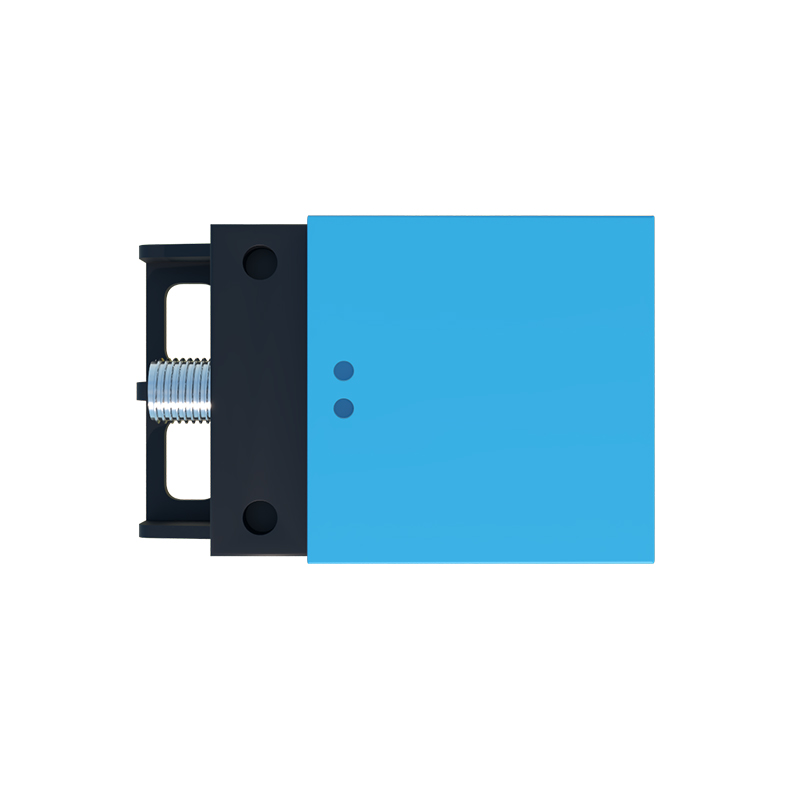
Featuring a compact cylindrical housing, the TL-Q5M provides a sensing range optimized for various applications. It operates on a standard DC voltage supply, typically 10-30V DC, with low current consumption to minimize energy usage. The sensor incorporates a built-in LED indicator for easy status monitoring, signaling detection or alignment issues. With a high switching frequency, it supports rapid response times, essential for high-speed production lines. Its IP67 protection rating guarantees resistance to dust and water ingress, ensuring longevity in wet or dirty environments.
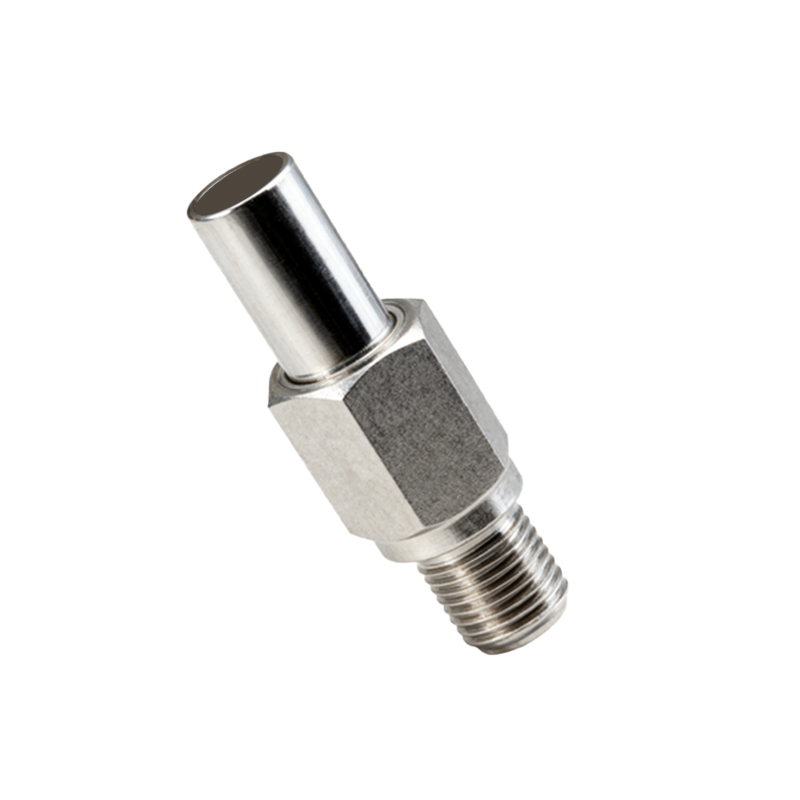
Operating Principle and Detection Capabilities
As an inductive proximity sensor, the TL-Q5M generates an electromagnetic field from its active face. When a metallic object enters this field, eddy currents are induced, causing a change in the sensor's oscillation amplitude. This change triggers the output circuit, providing a clear signal to the control system. The sensor is particularly effective for detecting ferrous metals like steel and iron, with consistent performance across temperature variations. Its design minimizes false triggers from non-target materials, enhancing accuracy in complex setups.
Installation and Configuration Guidelines
Proper installation is crucial for optimal performance. Mount the TL-Q5M securely using appropriate brackets, ensuring the sensing face is aligned parallel to the target surface. Maintain the recommended operating distance, accounting for factors like target material and size. Wiring should follow standard practices, with shielded cables used in electrically noisy environments to prevent interference. Regular calibration checks can help maintain detection reliability, especially after mechanical adjustments or environmental changes.
Applications in Industrial Automation
The TL-Q5M is versatile, serving numerous roles in automated systems. Common applications include position sensing on conveyor belts, part presence verification in assembly lines, and end-of-travel detection in robotic arms. In packaging machinery, it ensures precise product counting and alignment. Its durability also makes it suitable for outdoor equipment, such as agricultural or construction vehicles, where it monitors component movements. By enabling accurate, maintenance-free operation, it reduces downtime and boosts productivity.
Advantages Over Alternative Sensing Technologies
Compared to mechanical switches or optical sensors, the TL-Q5M offers distinct benefits. Its non-contact nature eliminates wear from physical interaction, extending service life. It performs reliably in dirty or oily conditions where optical sensors might fail due to lens contamination. Additionally, it is immune to ambient light interference, unlike photoelectric sensors. The TL-Q5M's simplicity in setup and low maintenance requirements make it a cost-effective solution for long-term industrial use.
Maintenance and Troubleshooting Tips
Routine maintenance involves cleaning the sensor face to remove debris that could affect sensitivity. Inspect wiring connections periodically for corrosion or looseness. If detection issues arise, verify power supply stability and check for environmental factors like extreme temperatures or electromagnetic noise. Using a multimeter, test output signals to diagnose circuit problems. Most failures stem from improper installation or external damage, so following manufacturer guidelines during setup is key to avoiding common pitfalls.
Future Trends and Industry Relevance
As Industry 4.0 advances, sensors like the TL-Q5M are evolving with smart features, such as IoT connectivity for predictive maintenance. Future iterations may include enhanced diagnostics or adjustable sensing parameters via digital interfaces. The demand for reliable, energy-efficient sensors continues to grow, driven by automation expansion in sectors like electric vehicles and renewable energy. The TL-Q5M's proven design positions it as a foundational component in next-generation industrial systems, supporting smarter, more responsive manufacturing processes.