Introduction to Normally Open Photoelectric Sensors
Photoelectric sensors are widely used in industrial automation for detecting the presence, absence, or position of objects. Among various configurations, normally open (NO) photoelectric sensors are particularly common. These sensors are designed to keep the output circuit open when no object is detected, closing only upon detection. The black housing variant is specifically chosen for its ability to reduce ambient light interference, enhancing reliability in diverse environments. This article delves into the principles, applications, and benefits of normally open photoelectric sensors with black housings, providing insights for engineers and technicians in the electrical and automation sectors.
Operating Principles of Normally Open Sensors
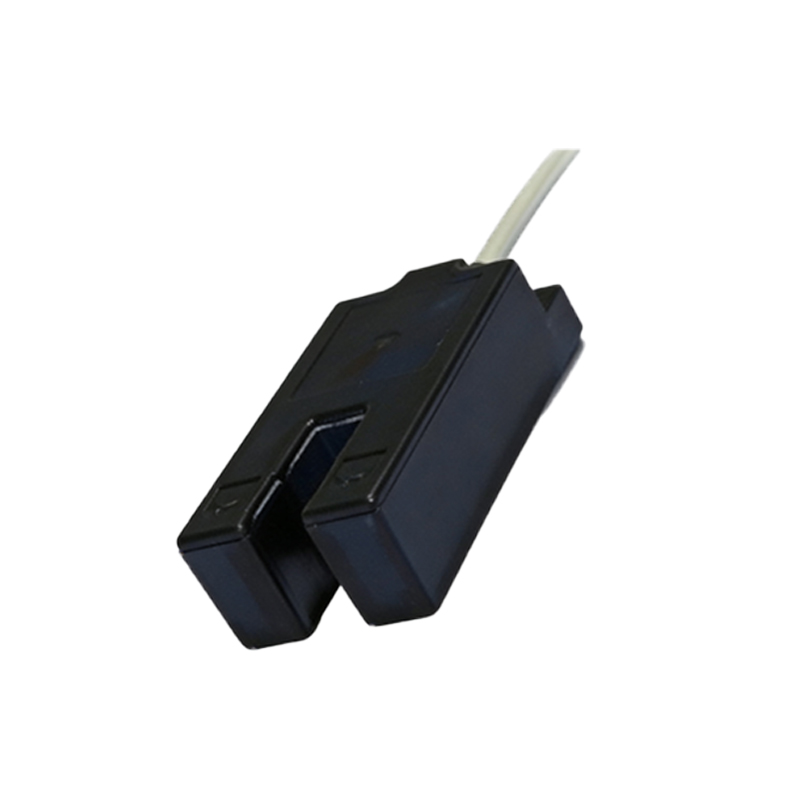
Normally open photoelectric sensors operate based on light emission and reception. They consist of a light source, typically an LED, and a receiver. In the absence of a target object, the light beam reaches the receiver uninterrupted, keeping the output switch in an open state. When an object interrupts the beam, the receiver detects the change, triggering the output to close and complete the electrical circuit. The black housing plays a crucial role by absorbing stray light, minimizing false triggers from external sources such as sunlight or artificial lighting. This design ensures accurate detection even in challenging conditions, making it ideal for high-precision applications.
Advantages of Black Housing in Sensor Design
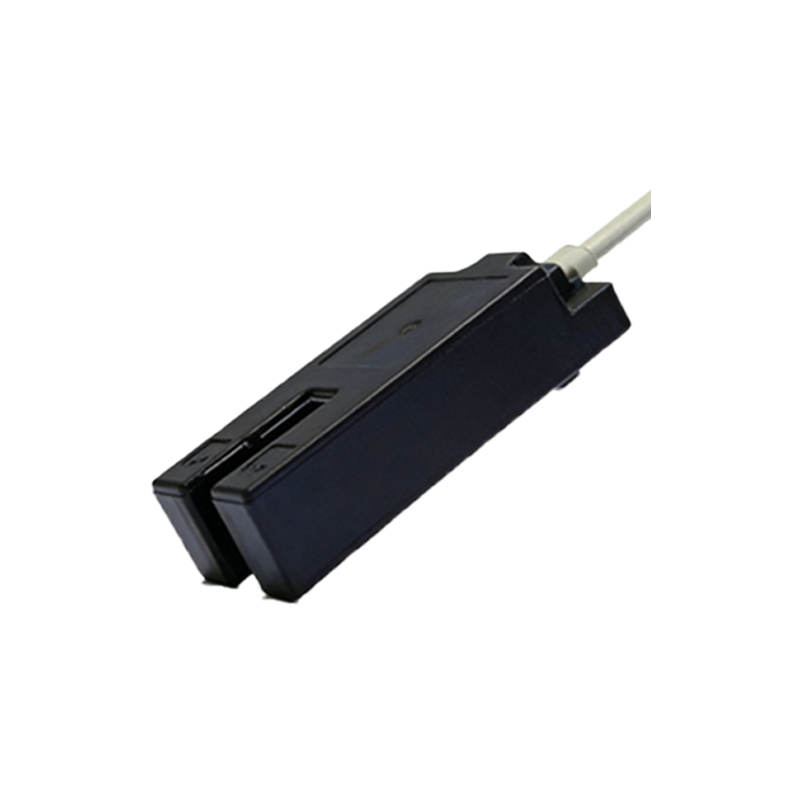
The use of black housing in normally open photoelectric sensors offers several key advantages. Firstly, it provides superior protection against ambient light interference, which can cause erroneous readings in brightly lit settings. The matte black finish absorbs light rather than reflecting it, reducing glare and improving signal clarity. Additionally, black housings are often made from durable materials like polycarbonate or ABS plastics, offering resistance to dust, moisture, and mechanical impacts. This enhances the sensor's longevity and reliability in harsh industrial environments, such as manufacturing lines or outdoor installations. Engineers prefer black housings for their ability to maintain consistent performance across varying light conditions.
Common Applications in Industrial Automation
Normally open photoelectric sensors with black housings find extensive use across multiple industries. In packaging lines, they detect product presence on conveyor belts, ensuring proper filling and sealing processes. In automotive assembly, these sensors monitor component positioning, aiding in robotic guidance and quality control. They are also employed in material handling systems to count objects or trigger sorting mechanisms. The black housing makes them suitable for outdoor applications, such as in agricultural machinery or traffic control systems, where sunlight exposure is high. Their versatility and robustness make them a staple in automation projects requiring reliable object detection.
Installation and Maintenance Guidelines
Proper installation is essential for optimizing the performance of normally open photoelectric sensors. Mount the sensor securely, ensuring the light beam aligns correctly with the target path. Avoid placing it near reflective surfaces that could bounce light and cause false triggers. Regular maintenance includes cleaning the lens to prevent dust buildup, which can attenuate the light signal. Check the housing for cracks or wear, especially in environments with extreme temperatures or vibrations. Calibration may be necessary over time to account for environmental changes. Following these guidelines helps maintain sensor accuracy and extends operational life, reducing downtime in industrial setups.
Comparison with Normally Closed Sensors
While normally open sensors are popular, it's important to contrast them with normally closed (NC) variants. In NC sensors, the output circuit is closed by default and opens upon detection. NO sensors are often preferred in safety-critical applications, as they fail in a safe open state if power is lost. Black housings benefit both types, but NO sensors particularly gain from reduced light interference due to their reliance on beam interruption. Engineers should select based on circuit design requirements: NO sensors suit systems where detection triggers an action, while NC sensors are used for continuous monitoring with alarm triggers on interruption. Understanding this distinction ensures optimal sensor selection for specific tasks.
Future Trends and Innovations
The future of normally open photoelectric sensors with black housings is shaped by advancements in technology. Innovations include integrated IoT connectivity for real-time monitoring and predictive maintenance. Enhanced materials are being developed to improve housing durability and light absorption further. Miniaturization allows for smaller sensors that fit into compact spaces without sacrificing performance. Additionally, smart sensors with adjustable sensitivity and self-diagnostic features are becoming more common, reducing setup time and improving efficiency. As industries embrace Industry 4.0, these sensors will play a pivotal role in creating smarter, more responsive automation systems, driving productivity and reliability.