Introduction to Slot Type Photoelectric Sensors
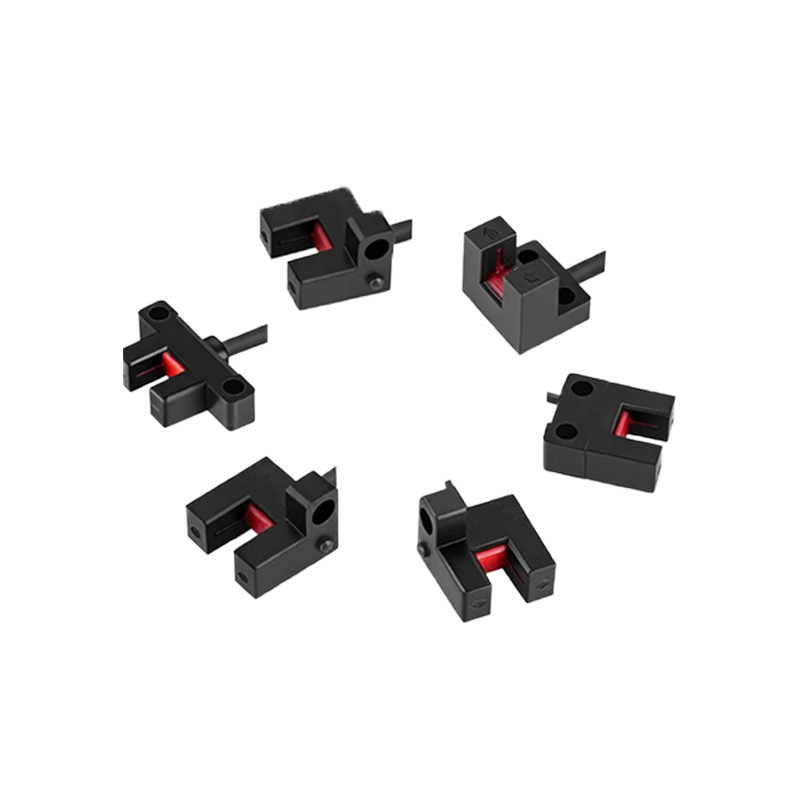
A slot type photoelectric sensor, often referred to as a through-beam sensor, is a self-contained unit that integrates both an emitter and a receiver facing each other across a precise gap—in this case, 10mm. The emitter projects a beam of light, typically infrared or visible red, which is received by the opposing photodetector. An object is detected when it physically interrupts this light beam within the slot. The 10mm slot width is a standard and highly popular size, offering an optimal balance between detection precision and physical robustness for a vast array of industrial automation tasks. This configuration provides exceptional reliability and is largely immune to environmental factors like target color, reflectivity, or surface finish, making it a fundamental component in counting, positioning, and end-of-travel detection systems.
Core Technical Specifications of 10mm Models
The performance of a 10mm slot sensor is defined by several key parameters. First is the light source, commonly a modulated infrared LED, which allows the sensor to ignore ambient light interference. The response time is extremely fast, often in the microsecond range, enabling high-speed counting of small components. The output is typically a solid-state transistor (NPN or PNP) providing a clean switching signal to a PLC or controller. The housing is usually made from industrial-grade plastics or metals, offering protection against dust and occasional splashes, often rated at IP67. The 10mm gap is precisely molded to ensure consistent beam alignment, and many models feature a visible red indicator LED that aids in alignment and provides status feedback. Operating voltage ranges are broad, commonly from 10-30V DC, ensuring compatibility with standard industrial power supplies.
Key Advantages in Industrial Environments
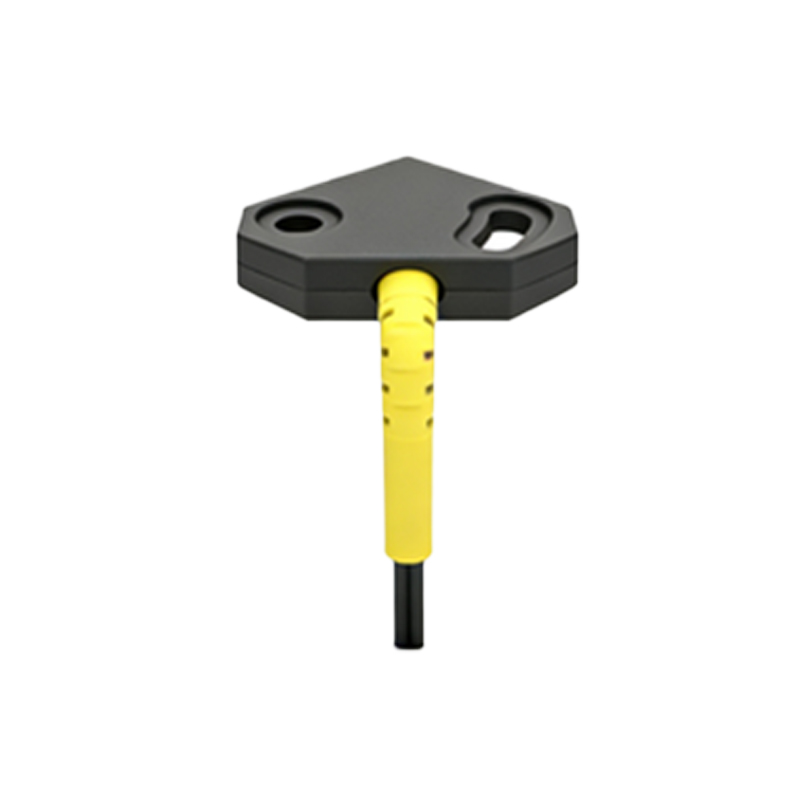
The primary advantage of the slot-type design is its high signal stability and noise immunity. Because the emitter and receiver are perfectly aligned in a fixed housing, the received light intensity is strong and consistent, leading to a high signal-to-noise ratio. This makes these sensors exceptionally reliable for detecting very small objects, such as semiconductor leads, tiny screws, or thin wires, that might pass through the 10mm aperture. They are not affected by the color or reflectivity of the target object, only by its ability to block the beam. This eliminates calibration needs for different products on a line. Their compact, integrated design simplifies installation, requiring only one mounting point and one cable connection, reducing wiring complexity compared to separate emitter-receiver pairs.
Common Application Scenarios
The 10mm slot sensor finds ubiquitous use across manufacturing. A primary application is in rotary encoder systems, where it detects slots or teeth on a code wheel to measure speed or position. They are indispensable in packaging machinery for verifying the presence of a product in a blister pack or ensuring a label has been applied. On assembly lines, they perform precise counting of fast-moving items like pills, capacitors, or bolts. They also serve as safety interlocks, confirming that a guard door is closed before machine operation commences. In printing and paper processing, they detect paper jams or the leading edge of a sheet. Their ability to function reliably in dirty or vibratory environments makes them a first-choice solution for these critical detection points.
Installation and Alignment Best Practices
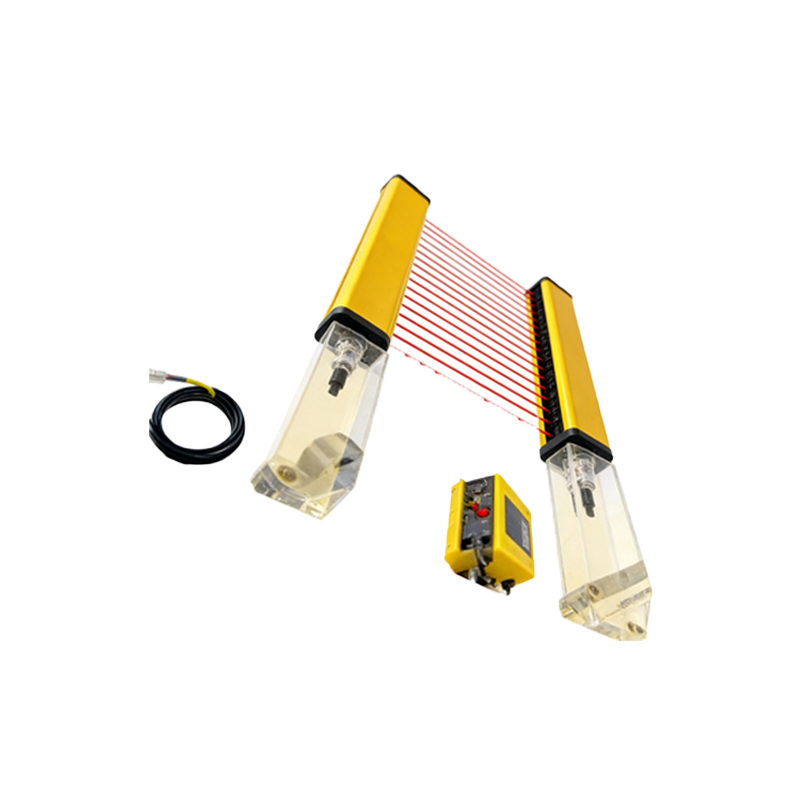
Correct installation is crucial for optimal performance. The sensor must be mounted securely to prevent misalignment from vibration. Ensure the target object's path is centered through the middle of the 10mm slot. The use of mounting brackets can aid in achieving precise positioning. While alignment is built-in, it is good practice to verify the sensor's operation with the actual target object during commissioning. Keep the lens surfaces clean from dust, oil, or debris, as contamination can attenuate the light signal. For applications involving very small objects, ensure the object is large enough to reliably interrupt the beam; a general rule is that the object should obscure at least 50% of the slot's width. Always follow the manufacturer's wiring diagram to connect the power supply and load correctly to avoid damage.
Troubleshooting and Maintenance Guidelines
Most issues with slot sensors stem from physical or electrical problems. If a sensor fails to detect, first check for physical obstruction in the slot and clean the lenses. Verify the power supply voltage and polarity. Use the sensor's indicator LED: a constant light usually indicates power and proper receiver illumination, while a blinking or off state indicates beam blockage or a fault. Ensure that the target object is indeed passing through the beam path. In high-speed applications, verify that the object's transit time is not shorter than the sensor's response time. Long-term maintenance is minimal, but periodic checks for housing integrity and connector corrosion are recommended, especially in harsh environments. Replacing a sensor is straightforward due to the standardized form factor and mounting holes of common 10mm models.
Comparison with Other Sensor Types
It is important to distinguish slot sensors from other photoelectric modes. Unlike diffuse (proximity) sensors, they do not rely on reflected light, so performance is unchanged by target color. Compared to retro-reflective sensors, they do not require a reflector, eliminating alignment issues and problems with dirty reflectors. The fixed 10mm gap provides a defined detection zone, unlike opposed (separate) beam sensors where alignment can drift. The trade-off is a physical limitation: the object must pass through the slot. Therefore, for detecting large or immovable objects, a diffuse or through-beam system with separate units might be more appropriate. The slot sensor excels in applications requiring precise, reliable detection of small objects within a constrained, repeatable path.
Future Trends and Conclusion
The evolution of the 10mm slot sensor continues with integration of IO-Link communication for digital parameter setting and diagnostic data readout. Miniaturization efforts persist, allowing for even denser mounting on PCBs. There is also a trend toward higher ingress protection ratings for use in washdown environments. Fundamentally, the slot-type photoelectric sensor with a 10mm aperture remains a cornerstone of factory automation. Its simplicity, reliability, and immunity to common sensing challenges ensure its continued relevance. For engineers designing detection systems where precision, speed, and dependability are non-negotiable, this sensor type offers a proven and robust solution that forms the reliable "eyes" of countless machines.