In the world of industrial automation and electronic control, reliable sensing is paramount. Among the various technologies available, the proximity switch reed sensor stands out for its simplicity, durability, and effectiveness in detecting the presence or absence of a magnetic field. This article delves into the working principle, common applications, advantages, and key considerations for selecting these versatile components.
At its core, a proximity switch reed sensor operates on a straightforward electromechanical principle. The key component is the reed switch, a hermetically sealed glass capsule containing two ferromagnetic nickel-iron reed contacts. These contacts are carefully spaced apart. When an external magnetic field from a permanent magnet or an electromagnet approaches the sensor, the reed contacts become magnetized. This magnetic attraction causes the flexible reeds to bend and snap together, closing an electrical circuit. When the magnetic field is removed, the inherent spring tension of the reeds forces them apart, breaking the circuit. This binary action—open or closed—makes it an ideal digital proximity switch.
The integration of this reed switch into a robust housing, often with a built-in magnet or designed to react to an external one, creates the complete proximity sensor. The "proximity" aspect is defined by the operational distance, or sensing range, at which the magnetic field is strong enough to actuate the reeds. This range is typically limited, from a few millimeters up to about 80 millimeters for standard models, which contributes to its precise and reliable operation.
The applications for proximity switch reed sensors are extensive due to their sealed nature and lack of moving mechanical parts subject to wear. A classic example is in security systems, where they are ubiquitously used as door and window contact sensors. A magnet is mounted on the moving door or window, and the reed sensor is fixed on the frame. When closed, the magnet keeps the switch closed, indicating a secure state. An opening breaks the magnetic field and opens the circuit, triggering an alarm.
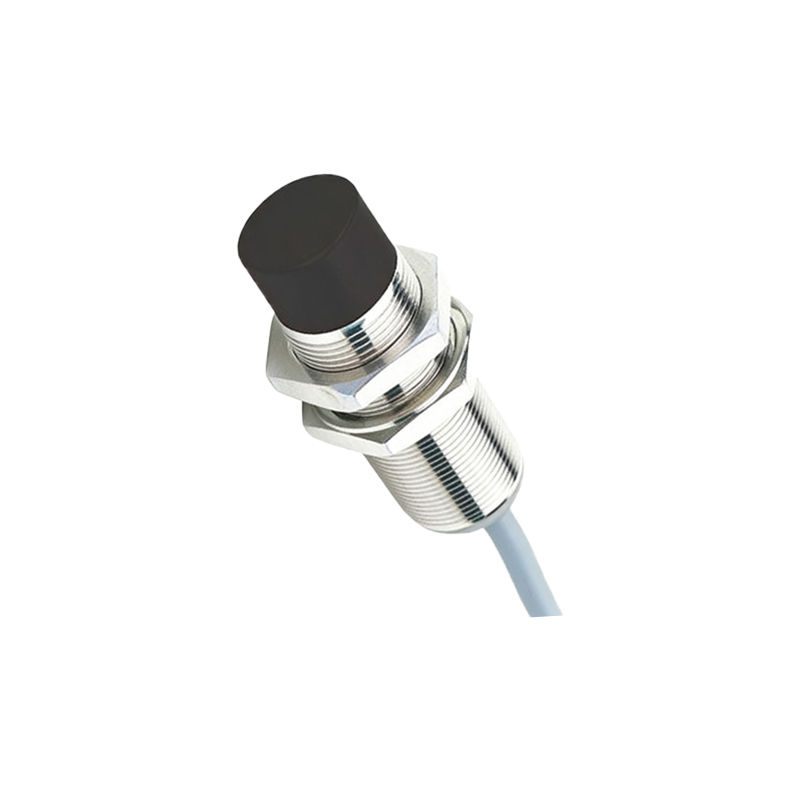
In the automotive industry, these sensors find roles in monitoring seat belt engagement, hood/trunk lid status, and gearbox position. Industrial machinery utilizes them for end-of-travel detection on cylinders and actuators, verifying the position of robotic arms, and in liquid level sensing for tanks (using a float with an embedded magnet). Their immunity to contaminants like dust, oil, and moisture—thanks to the sealed glass capsule—makes them perfect for harsh environments where optical sensors might fail.
The advantages of reed sensor-based proximity switches are significant. They offer excellent electrical isolation, with the controlled circuit completely separated from the actuating magnetic field. They consume zero power in their passive state, only drawing current when the circuit is closed. Their lifespan is exceptionally high, often rated for hundreds of millions of operations, as the contacts are sealed in an inert gas or vacuum environment, preventing oxidation and arcing. Furthermore, they are cost-effective, simple to interface with (often requiring only a pull-up resistor), and can switch low-power signals reliably.
However, selecting the right proximity reed sensor requires careful consideration of several parameters. The sensing distance, or sensitivity, must match the application's mechanical tolerances. The electrical ratings—maximum switching voltage and current—must not be exceeded to prevent contact welding or failure. The type of load (resistive vs. inductive) is also crucial, as inductive loads (like relays) can cause arcing. For such loads, sensors with arc suppression are recommended. The operating temperature range must suit the environment, and the housing material (often brass, stainless steel, or plastic) should be chosen for chemical resistance and mechanical strength.
In conclusion, the proximity switch reed sensor remains a fundamental and highly reliable technology in the sensor landscape. Its electromechanical operation provides a clear, unambiguous signal that is resistant to environmental challenges. While solid-state alternatives like Hall effect sensors offer different benefits, the reed sensor's combination of robustness, simplicity, and cost-effectiveness ensures its continued relevance in countless detection and safety applications across industries from manufacturing and automotive to building automation and consumer appliances. Understanding its principles and specifications is key to deploying it effectively for precise and dependable proximity sensing.