Introduction to Photoelectric Sensing Technology
Photoelectric sensors, often referred to as photo eyes or safety beams, are fundamental components in modern industrial and commercial automation. These devices operate on a simple yet highly effective principle: they emit a beam of light, typically infrared or laser, and detect its presence or absence at a receiver. When the beam is interrupted by an object, the sensor triggers a signal. This non-contact detection method makes them ideal for applications requiring reliability, precision, and safety. In the context of rolling shutters and industrial doors, this technology transitions from a simple convenience to a critical safety imperative, preventing accidents and ensuring smooth operational flow.
Core Function: Creating an Invisible Safety Curtain
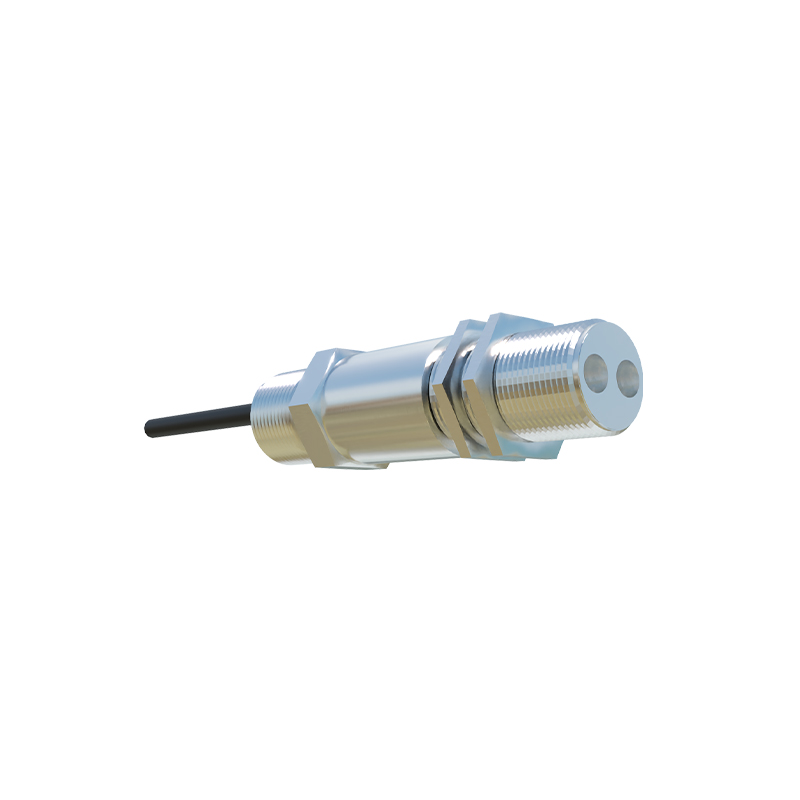
The primary and most crucial role of a photoelectric sensor system on a rolling shutter is to establish an invisible safety curtain across the door's opening. Typically, two units are installed—a transmitter on one side and a receiver directly opposite. The emitted beam runs parallel to the ground, covering the width of the door at a low height, often 4 to 6 inches above the floor. This positioning is strategic to detect the presence of a person, vehicle, or object that might be in the path of the descending door. When the beam is broken, the sensor sends an immediate stop or reverse command to the door's motor controller, halting the downward motion and preventing impact or entrapment. This function is not merely an added feature; in many regions, it is a mandated safety requirement for automated doors in public and industrial spaces.
Enhancing Operational Efficiency and Traffic Flow
Beyond pure safety, photoelectric sensors significantly enhance the operational efficiency of facilities using rolling shutters. In high-traffic areas like loading docks or warehouse entrances, these sensors can be integrated into the door's control logic to manage opening and closing cycles intelligently. For instance, a sensor can detect when a forklift has completely passed through the doorway, triggering the door to close automatically without manual intervention. This automation minimizes heat loss, improves security by ensuring doors are not left open, and streamlines logistics. Furthermore, advanced systems may use multiple beams or modulated light signals to distinguish between different types of interruptions, reducing false triggers from dust or ambient light.
Types and Configurations for Rolling Shutter Applications
Several types of photoelectric sensors are employed based on specific needs. The most common for rolling shutters is the through-beam type, with separate transmitter and receiver units. This type offers the longest sensing range and highest reliability, as it directly detects the presence or absence of the beam. Retro-reflective sensors, which use a single unit and a reflector, are another option, suitable for installations where wiring both sides is challenging. Diffuse or proximity sensors, which detect light reflected from the object itself, are less common for primary safety but may be used for auxiliary detection. The choice depends on factors like door width, environmental conditions (dust, moisture), and required safety integrity level.
Installation, Alignment, and Maintenance Best Practices
Proper installation is paramount for reliable sensor operation. The transmitter and receiver must be precisely aligned to ensure a consistent beam path. They are typically mounted on rigid brackets to prevent vibration-induced misalignment. Regular maintenance checks are essential. Technicians should routinely clean the lenses to prevent obstruction from dirt, ice, or spider webs, which can block the beam and cause failure. Functional testing should be performed frequently by intentionally interrupting the beam during a door's closing cycle to verify the safety reversal response. Modern sensors often include LED indicators for alignment status and operational health, simplifying diagnostics.
Integration with Broader Safety and Control Systems
Today's photoelectric sensors are rarely standalone devices. They are integral nodes within a larger safety and building management ecosystem. The output signal from the sensor is fed into the door's programmable logic controller (PLC) or dedicated safety relay. This integration allows for sophisticated logic, such as requiring the beam to be clear for a set duration before allowing an automatic close cycle. Sensors can also be networked to provide diagnostic data to facility managers, alerting them to alignment issues or failures before they compromise safety. Compliance with international safety standards like IEC 61496 is critical for these components, ensuring they meet rigorous performance and fail-safe requirements.
Addressing Common Challenges and Environmental Factors
Operating environments for rolling shutters can be harsh. Sensors must be selected with appropriate Ingress Protection (IP) ratings to withstand dust, water jets, and wide temperature fluctuations. Sunlight interference, especially direct infrared from the sun, can sometimes blind receivers. Using modulated light signals (where the emitted light pulses at a specific frequency) helps the receiver distinguish its own signal from ambient light, greatly enhancing immunity. In areas with heavy traffic, physical protection for the sensor housings may be necessary to prevent damage from impacts.
The Non-Negotiable Role in Modern Safety Protocols
In conclusion, photoelectric sensors for rolling shutters are far more than simple detection switches. They are the first line of defense in a comprehensive safety strategy, actively preventing injuries and equipment damage. Their role in automating door cycles contributes directly to energy efficiency, security, and operational throughput. For engineers, facility managers, and safety officers, specifying, installing, and maintaining a robust photoelectric sensing system is a non-negotiable aspect of responsible operations. As technology advances, we can expect these sensors to become even more intelligent, integrated, and vital to the safe automation of our built environment.