Introduction to High-Precision Proximity Sensing
High-precision proximity sensor controllers represent a critical advancement in industrial automation and control systems. These sophisticated devices are engineered to detect the presence, absence, or position of an object with exceptional accuracy and reliability, often without any physical contact. Unlike standard sensors, high-precision variants offer micron-level resolution, minimal hysteresis, and enhanced stability across varying environmental conditions. The core function of the controller is to process the raw signal from the sensor element—whether inductive, capacitive, photoelectric, or ultrasonic—and convert it into a clean, stable, and actionable output for downstream systems like PLCs, robots, or data acquisition units. This precision is paramount in applications where minute positional errors can lead to significant quality defects, production downtime, or safety hazards.
Core Design Principles and Architecture
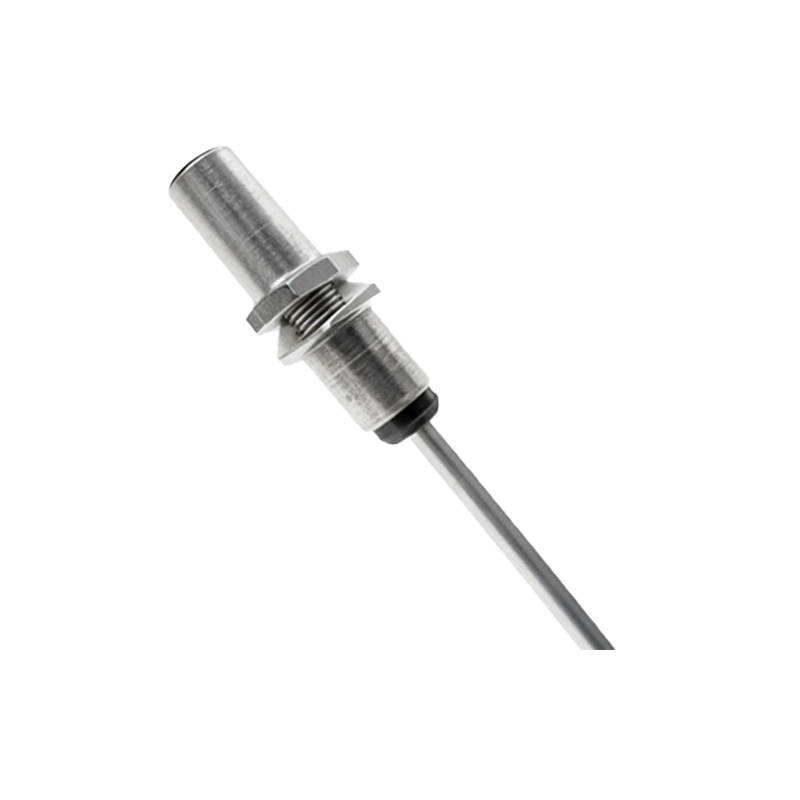
The architecture of a high-precision proximity sensor controller is built upon several foundational principles. First is signal integrity. The controller incorporates advanced filtering algorithms and shielding techniques to mitigate electromagnetic interference (EMI) and radio-frequency interference (RFI), which are common in industrial settings. Second is thermal compensation. High-quality controllers integrate temperature sensors and compensation circuits to ensure measurement stability despite ambient temperature fluctuations. The heart of the system is often a high-speed, low-noise analog front-end (AFE) coupled with a powerful microcontroller or digital signal processor (DSP). This combination allows for real-time signal processing, adaptive threshold setting, and sophisticated diagnostics. Communication interfaces, such as IO-Link, Ethernet/IP, or PROFINET, are increasingly standard, enabling not only data transmission but also remote configuration and predictive maintenance capabilities.
Key Performance Metrics and Calibration
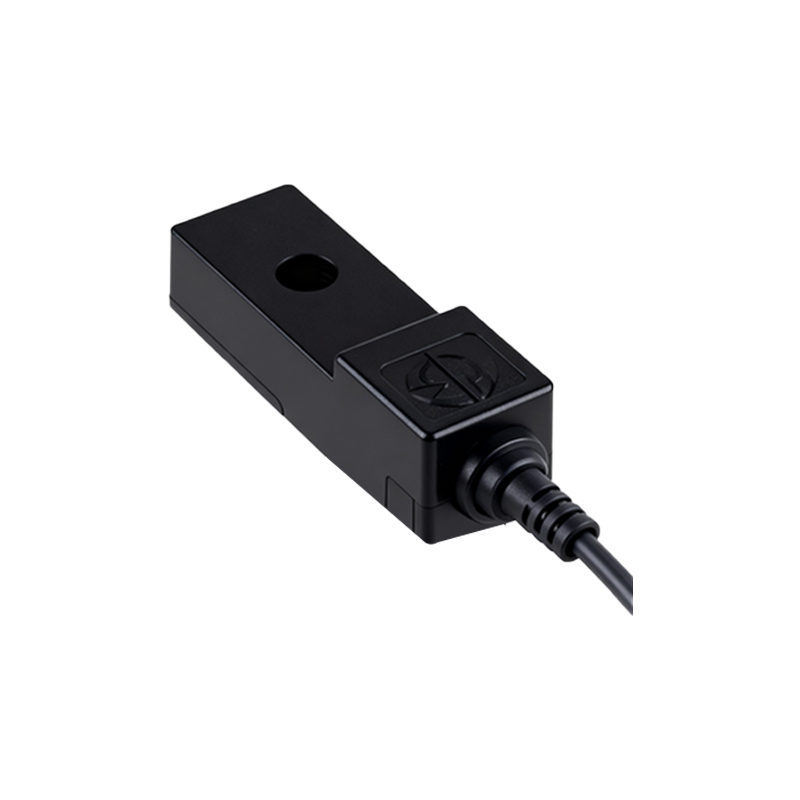
Evaluating the performance of these controllers involves several key metrics. Repeatability, perhaps the most critical, refers to the controller's ability to consistently produce the same output under identical conditions. Linearity measures how accurately the output signal corresponds to the actual distance change of the target. Response time, typically in microseconds, defines how quickly the controller can react to a change in the sensed object's status. Long-term drift must be minimized to ensure reliability over the product's lifecycle. Achieving these metrics requires rigorous factory calibration. Modern controllers often feature auto-calibration routines and teach-in functions, allowing them to be quickly configured for specific materials and sensing distances in the field, thereby maintaining high precision without complex manual intervention.
Primary Industrial Applications
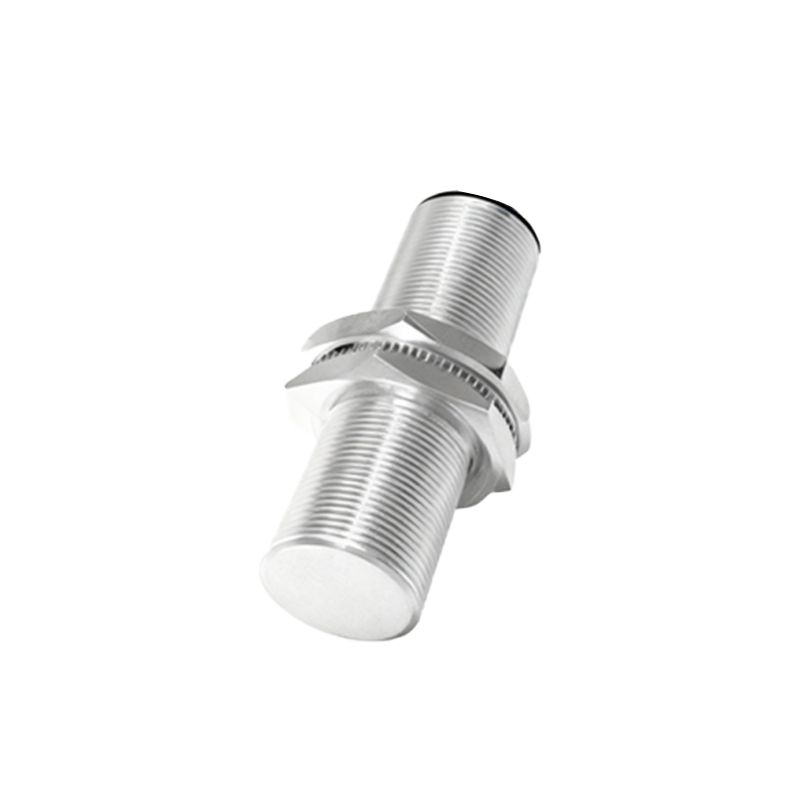
The applications for high-precision proximity sensor controllers are vast and span numerous industries. In semiconductor manufacturing, they are indispensable for wafer handling, lithography alignment, and robotic arm positioning where sub-micron accuracy is non-negotiable. Automotive assembly lines utilize them for precise part verification, robotic welding guidance, and gap measurement between body panels. In pharmaceutical packaging, they ensure exact fill levels and cap placement. The burgeoning field of collaborative robotics (cobots) relies heavily on these sensors for safe and accurate human-machine interaction. Furthermore, in precision metrology and quality control stations, they provide non-contact measurement of component dimensions and tolerances, feeding data directly into statistical process control (SPC) software.
Integration Challenges and Solutions
Integrating high-precision controllers into existing systems presents specific challenges. Electrical noise from motors, variable frequency drives (VFDs), and power lines can corrupt sensitive sensor signals. Solutions include using differential signal transmission, twisted-pair cabling, and proper grounding schemes. Mechanical vibration can also induce error; mounting the sensor and controller on stable, damped structures is essential. Another challenge is material dependency, particularly for inductive sensors detecting different metals. Advanced controllers now incorporate multi-material compensation algorithms. Interoperability with legacy systems is addressed through modular design and a wide array of output options (PNP/NPN, analog voltage/current, IO-Link). Proper installation, following manufacturer guidelines for sensing distance and environment, remains crucial for optimal performance.
Future Trends and Technological Evolution
The future of high-precision proximity sensor controllers is being shaped by several converging trends. The integration of Artificial Intelligence (AI) and machine learning at the edge will enable controllers to perform complex pattern recognition, predict failures, and self-optimize their parameters in real-time. Miniaturization continues, allowing high-precision sensing in increasingly compact spaces. There is a strong push towards greater intelligence and data transparency via Industrial Internet of Things (IIoT) connectivity, turning the simple sensor node into a rich data source. Furthermore, the development of new sensing principles and materials, such as graphene-based sensors, promises even higher sensitivities. Finally, the demand for energy-efficient designs and sustainable manufacturing processes will drive innovation in low-power controller circuitry without compromising performance.