Introduction to Photoelectric Sensing Technology
Photoelectric sensors are widely used in industrial applications for detecting, measuring, and analyzing various physical properties, including liquid density. These sensors operate based on the interaction between light and matter, utilizing principles such as light absorption, refraction, or scattering. In liquid density measurement, photoelectric sensors offer a non-contact, high-precision solution that is essential in industries like chemical processing, pharmaceuticals, and food and beverage. The core mechanism involves emitting a light beam through the liquid and analyzing the changes in light characteristics caused by the liquid's density. This method is advantageous due to its rapid response, minimal maintenance, and ability to handle corrosive or hazardous fluids without direct contact.
Fundamental Working Principles
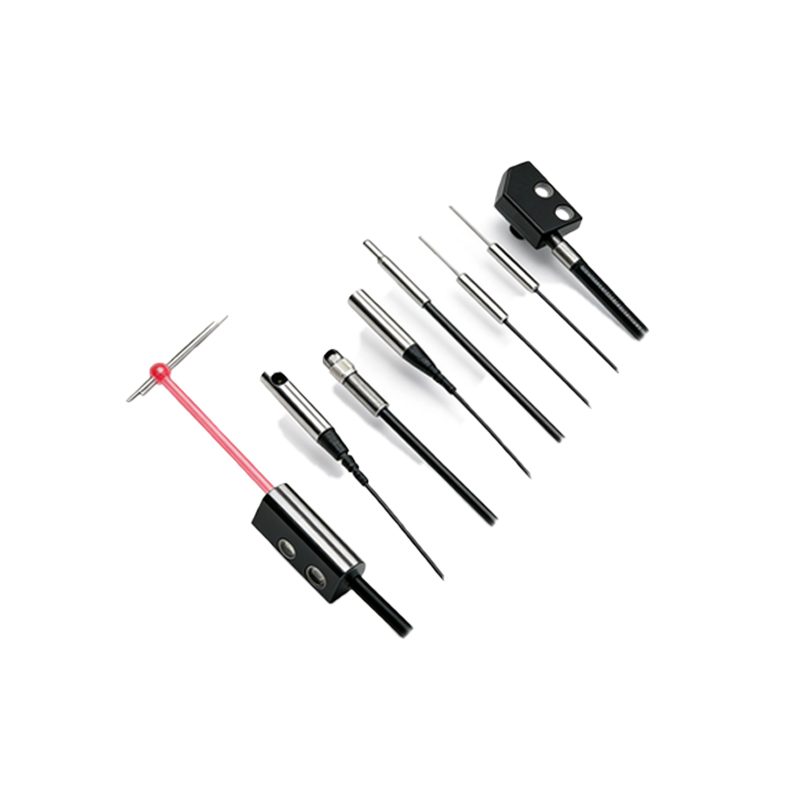
The measurement of liquid density using photoelectric sensors relies on optical phenomena, primarily light attenuation and refractive index changes. When light passes through a liquid, its intensity and path can be altered by the liquid's density, which affects how molecules interact with photons. Denser liquids typically contain more particles per unit volume, leading to greater light absorption or scattering. Sensors equipped with light sources (e.g., LEDs or lasers) and detectors measure these variations. For instance, a common setup involves a transmitter that emits infrared or visible light through a sample cell containing the liquid, and a receiver that captures the transmitted light. The sensor's electronics then convert the detected light signal into an electrical output, which is calibrated to density values using known standards.
Key Components and Sensor Design
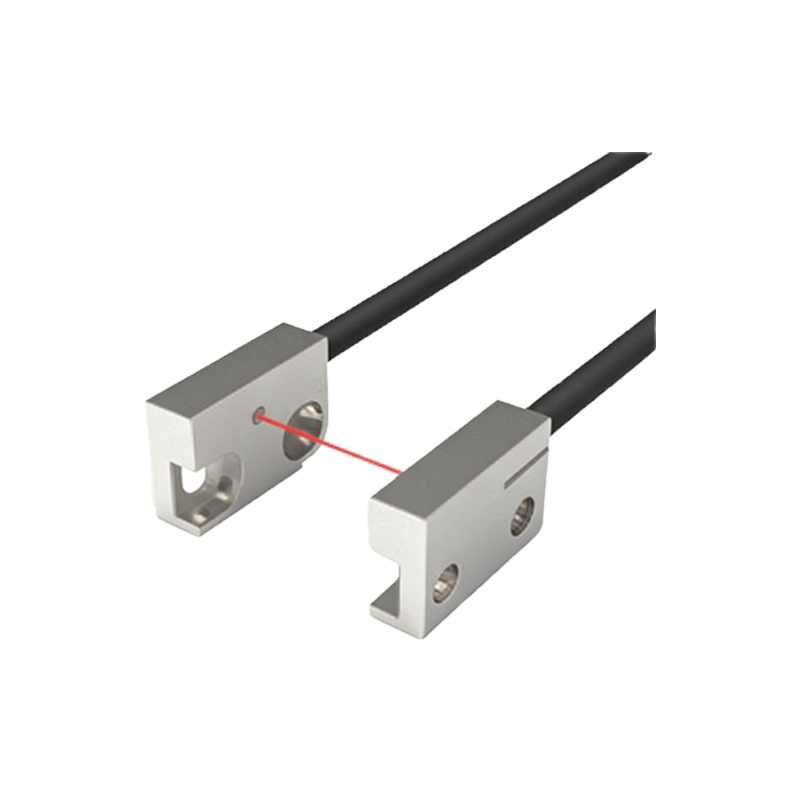
A photoelectric sensor system for density measurement consists of several critical components: a light source, optical elements (such as lenses or filters), a sample chamber, a photodetector, and signal processing circuitry. The light source must provide stable, monochromatic light to ensure consistent readings, often using lasers for high accuracy. Optical elements focus the beam and minimize interference from ambient light. The sample chamber is designed to hold the liquid in a controlled environment, with transparent windows (e.g., made of glass or sapphire) that allow light passage. Photodetectors, like photodiodes or phototransistors, convert the light intensity into electrical signals. Advanced sensors may incorporate multiple wavelengths or polarized light to enhance sensitivity, especially for turbid or colored liquids where density affects light differently.
Calibration and Accuracy Considerations
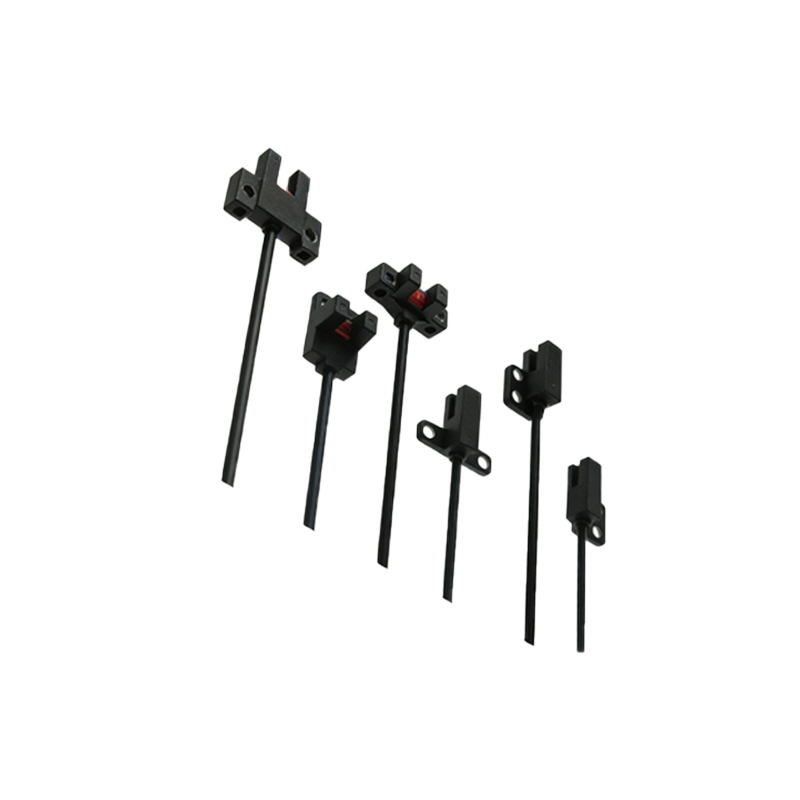
Accurate density measurement requires precise calibration, as factors like temperature, pressure, and liquid composition can influence results. Photoelectric sensors are calibrated using reference liquids with known densities, establishing a correlation between light attenuation or refractive index and density values. Temperature compensation is crucial, since density changes with thermal expansion; many sensors include integrated temperature probes to adjust readings in real-time. Additionally, the sensor's design must account for potential fouling or bubbles in the liquid, which can scatter light and cause errors. Regular maintenance, such as cleaning optical surfaces, ensures long-term reliability. In industrial settings, these sensors often connect to control systems for automated monitoring, with accuracy typically within ±0.001 g/cm³ under optimal conditions.
Applications in Various Industries
Photoelectric sensors for liquid density measurement are employed across diverse sectors due to their versatility and precision. In the chemical industry, they monitor reactant concentrations and product quality in processes like distillation or mixing. Pharmaceutical companies use them to ensure consistency in drug formulations, where density indicates purity and composition. The food and beverage industry relies on these sensors for controlling syrup densities in soft drinks or checking milk fat content. Environmental applications include analyzing wastewater density to detect pollutants. Their non-invasive nature makes them ideal for hygienic or sterile environments, such as in biotech labs, where contamination risks must be minimized.
Advantages and Limitations
The primary advantages of photoelectric sensors in density measurement include fast response times, high accuracy, and minimal wear since there are no moving parts. They enable continuous, real-time monitoring without sampling delays, improving process efficiency. However, limitations exist: highly opaque or bubbly liquids can reduce accuracy by blocking or scattering light excessively. Sensor performance may also degrade in extreme temperatures or pressures without proper shielding. Cost can be higher compared to traditional methods like hydrometers, but the long-term benefits in automation and reduced manual intervention often justify the investment. Ongoing advancements in optics and electronics are addressing these challenges, expanding their applicability.
Future Trends and Innovations
Emerging technologies are enhancing photoelectric sensors for liquid density measurement. Innovations include the integration of fiber optics for remote sensing in hazardous areas, and the use of spectrophotometric techniques that analyze multiple wavelengths to distinguish between different liquid components. Smart sensors with IoT connectivity allow for data logging and predictive maintenance, reducing downtime. Research is also focusing on miniaturized sensors for portable devices, enabling field measurements in agriculture or environmental monitoring. As industries demand higher precision and sustainability, these sensors are evolving to offer more robust, energy-efficient solutions with broader compatibility across fluid types.