Introduction to Photoelectric Sensor Operation
Photoelectric sensors are fundamental components in industrial automation, providing reliable object detection, counting, and positioning. The Bojke brand is recognized for its robust and precise sensors used across various applications. A common diagnostic indicator on many such sensors is the red LED value, which typically signifies the received light intensity or signal strength. When this red value becomes static or "stuck," it indicates a disruption in the sensor's normal feedback loop. This static state means the sensor is not dynamically responding to changes in its detection field, leading to potential failures in the automated process. Understanding the root causes of this issue is critical for maintaining system uptime and reliability.
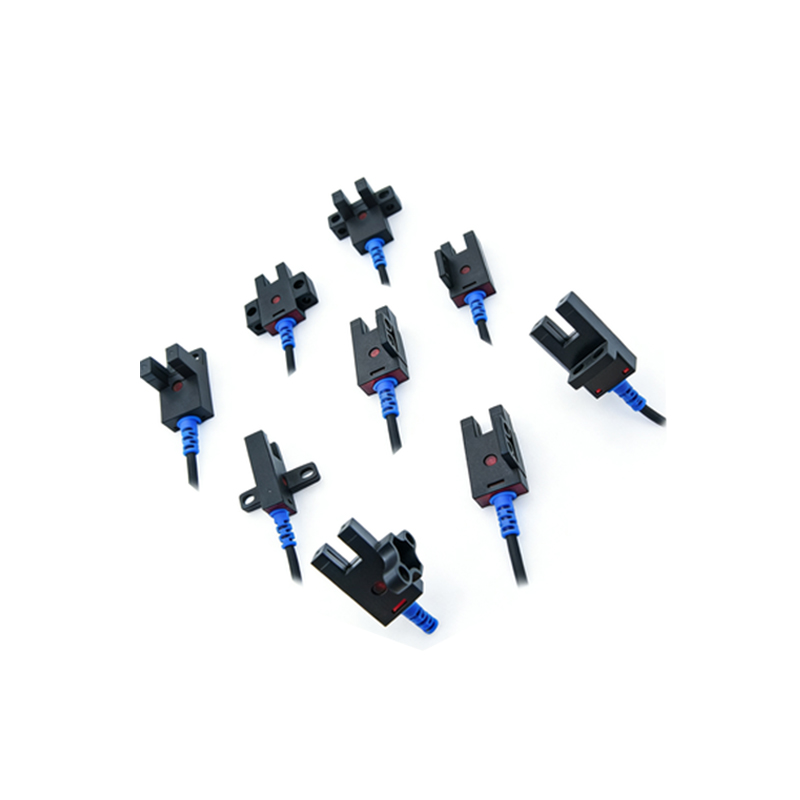
Primary Causes of a Static Red Value
Several factors can lead to a photoelectric sensor's red value remaining unchanged. First and foremost is a severe misalignment between the transmitter and receiver (in thru-beam types) or the sensor and its target (in reflective types). Even a minor physical shift can cause the received light to fall outside the acceptable threshold, locking the value. Secondly, contamination is a major culprit. Accumulation of dust, oil, or debris on the lens can drastically attenuate the light signal. Third, electrical issues such as unstable power supply voltage, incorrect wiring, or ground loop problems can cause the sensor's internal circuitry to malfunction, freezing its output indicator. Finally, environmental interference from strong ambient light, particularly infrared or direct sunlight, can saturate the receiver, preventing it from registering changes.
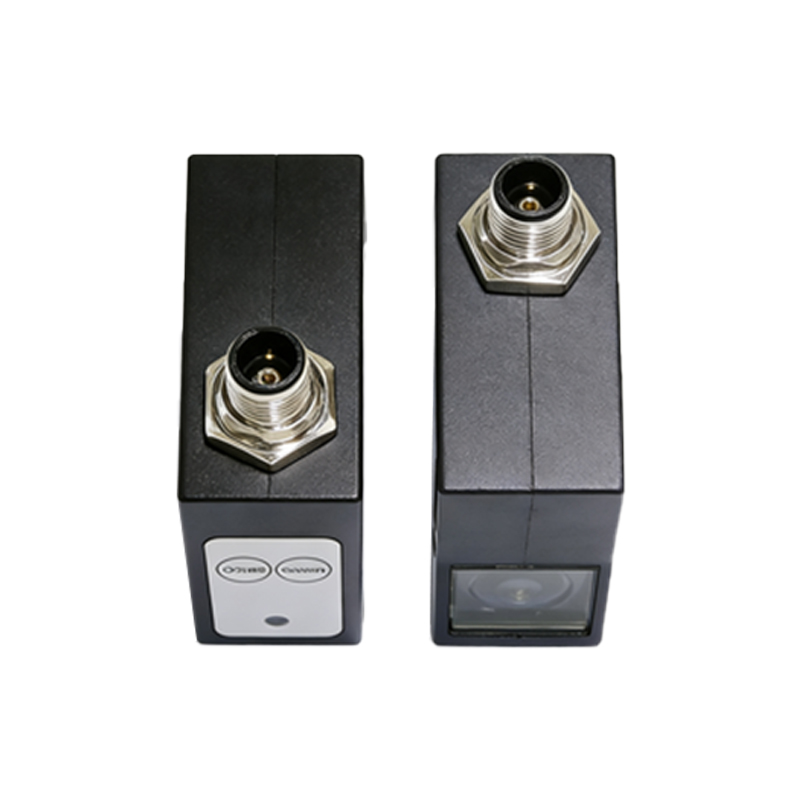
Step-by-Step Troubleshooting Procedures
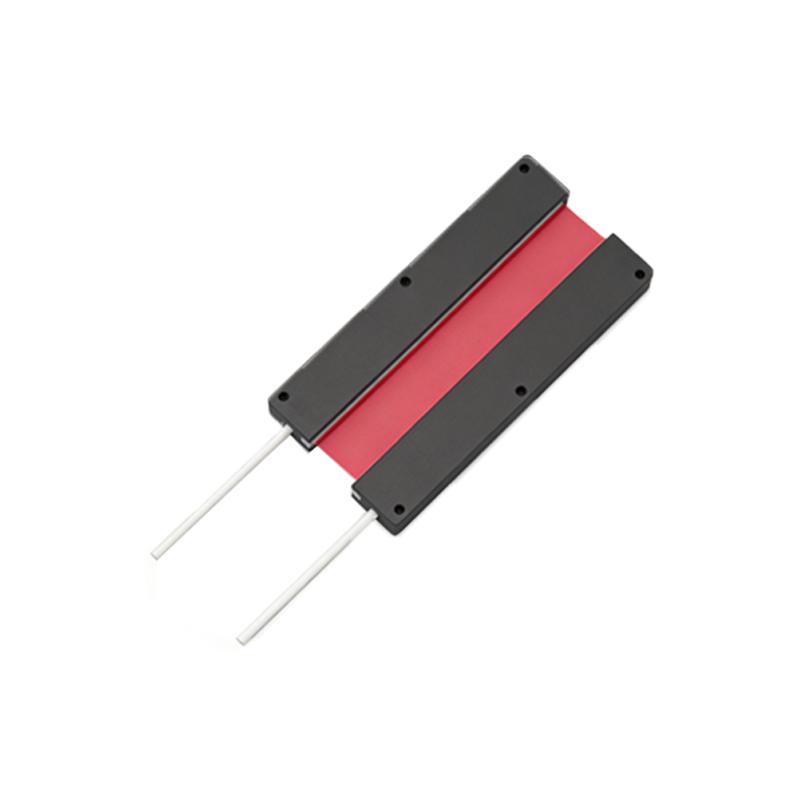
Begin troubleshooting by performing a visual inspection. Check for obvious physical damage, misalignment, and lens cleanliness. Power down the system and carefully clean the lens with appropriate materials. Next, verify the electrical connections. Ensure the power supply matches the sensor's specifications (e.g., 10-30V DC) and that wiring is correct and secure. Use a multimeter to confirm stable voltage at the sensor's terminals. For alignment, many sensors have a sensitivity potentiometer or a built-in indicator for signal strength. Manually adjust the alignment while observing if the red value begins to fluctuate. If possible, test the sensor in a controlled environment away from potential optical interference to isolate the problem.
Assessing Sensor Configuration and Settings
An incorrect configuration can also result in a static reading. Review the sensor's operating mode (light-on/dark-on). In a light-on mode, a constant bright condition might keep the value pegged. Check the set sensitivity threshold. If the threshold is set too low or too high, the actual signal might not cross it, causing no change in the indicator. For sensors with teach-in functions or timers, a faulty configuration or a locked state could be the issue. Consult the Bojke sensor's specific manual to reset the device to factory defaults and reconfigure it according to the application requirements. Ensure that any external control logic or PLC program is not forcing the sensor into a particular state.
Diagnosing Internal Component Failure
If all external factors are ruled out, the problem may lie within the sensor itself. The light-emitting diode (LED) or the phototransistor/receiver may have degraded or failed. Continuous operation, thermal stress, or voltage spikes can cause these semiconductor components to wear out. A static red value could indicate that the receiver is no longer converting light intensity into a variable electrical signal. Internal circuitry, such as the amplifier or comparator IC, might also be damaged. In such cases, component-level repair is often not feasible in an industrial setting. The most practical solution is sensor replacement. Before concluding a hardware failure, try swapping the sensor with a known-working unit of the same model from another part of the line, if available.
Preventive Maintenance Best Practices
Preventing the issue of a static red value is more efficient than reactive troubleshooting. Establish a regular maintenance schedule that includes cleaning sensor lenses and checking alignments. Use protective housings or air blowers in dusty or dirty environments. Ensure stable, clean power by using regulated power supplies and proper shielding for cables. When installing sensors, take measures to shield them from ambient light interference using shades or tubes. Periodically monitor the sensor's indicator during routine checks to catch any degradation in performance before it leads to a complete failure. Keeping a log of sensor performance and environmental conditions can help identify patterns and predict lifespans.
Conclusion and When to Seek Replacement
A static red value on a Bojke photoelectric sensor is a clear diagnostic signal that requires immediate attention. By methodically investigating alignment, contamination, electrical supply, environmental factors, and configuration, most issues can be resolved. However, when these steps fail to restore dynamic operation, internal failure is the likely cause. Given the critical role of these sensors in automation, prolonged downtime for repair is usually not economical. Therefore, having a spare sensor on hand is a wise strategy. Replacing a faulty sensor promptly ensures continuous operation, maintains productivity, and upholds the safety and reliability of the entire automated system.