Introduction to Proximity Sensor Switches
In the realm of industrial automation and electrical control systems, proximity sensor switches stand as critical components for enhancing operational safety, efficiency, and reliability. Unlike traditional mechanical switches that require physical contact, proximity sensors detect the presence or absence of an object within a specified range without any direct touch. This non-contact operation principle eliminates mechanical wear and tear, significantly extending the lifespan of the switch and reducing maintenance needs. These sensors are indispensable in environments where hygiene, high-speed operation, or harsh conditions make mechanical contact impractical or hazardous. Their ability to function reliably in dusty, wet, or corrosive atmospheres makes them a preferred choice for modern electrical engineering applications.
Core Operating Principles and Technologies
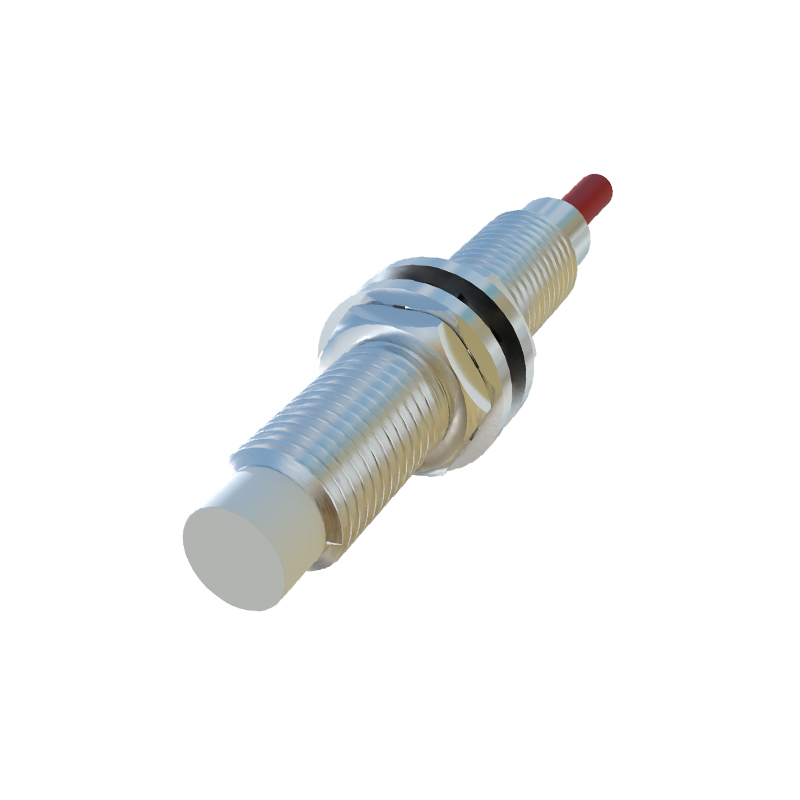
Proximity sensor switches operate based on various physical principles, each suited to different applications. The most common types include inductive, capacitive, and ultrasonic sensors. Inductive proximity sensors generate an electromagnetic field and detect the eddy current losses caused by metallic objects entering this field. They are predominantly used for detecting metals and are highly valued in manufacturing for tasks like counting metal parts or determining the position of machine components. Capacitive sensors, on the other hand, can detect both metallic and non-metallic materials—such as liquids, plastics, or wood—by measuring changes in capacitance. Ultrasonic sensors emit high-frequency sound waves and evaluate the echo reflected from a target, making them effective for distance measurement and level detection. Understanding these technologies is crucial for selecting the right sensor for a specific electrical or automation task.
Key Features and Technical Specifications
When integrating a proximity sensor switch into an electrical system, engineers must consider several key specifications. Sensing range, typically a few millimeters to several tens of millimeters, defines the maximum distance at which the sensor can reliably detect an object. The output type is another vital parameter; sensors may provide digital outputs (like NPN or PNP transistor switching) or analog outputs proportional to the distance. Response time, often in the microsecond or millisecond range, determines how quickly the sensor can react to a detected object, which is critical for high-speed production lines. Additionally, factors such as housing material (e.g., stainless steel for rugged environments), IP rating for ingress protection, and operating temperature range must align with the application's environmental demands to ensure long-term, fail-safe operation.
Applications in Industrial Safety and Automation
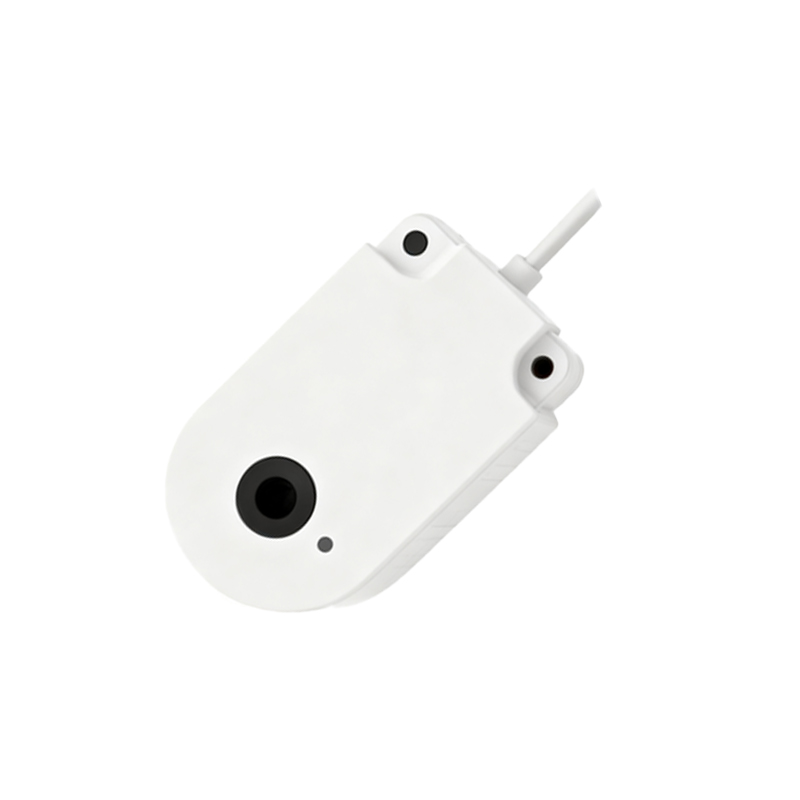
The primary application of proximity sensor switches lies in enhancing industrial safety and streamlining automated processes. In safety systems, they serve as non-contact interlock devices on machine guards and access doors. If a guard is opened or a person steps into a dangerous zone, the sensor immediately signals the control system to halt machinery, preventing potential accidents. In automation, these sensors are the "eyes" of the system. They are used for precise object positioning on conveyor belts, detecting the end of a roll in packaging machinery, verifying part presence in assembly robots, and controlling liquid levels in tanks. Their reliability ensures smooth, uninterrupted production flows, minimizes downtime, and contributes significantly to overall equipment effectiveness (OEE).
Installation, Calibration, and Maintenance Best Practices
Proper installation and calibration are paramount for the optimal performance of a proximity sensor switch. Mounting must be secure and positioned correctly relative to the target's path, considering factors like lateral offset and the sensor's inherent blind zones. For inductive sensors, it is essential to ensure that no other metal objects within the sensing field could cause false triggering. Calibration might involve adjusting the sensitivity to distinguish between the target object and background interference. Despite their rugged design, periodic maintenance checks are recommended. This includes inspecting the sensor face for accumulated debris, verifying electrical connections for corrosion, and testing the output signal under operational conditions. Adhering to these practices maximizes sensor longevity and system reliability.
Future Trends and Technological Advancements
The future of proximity sensing technology is geared towards greater intelligence, miniaturization, and connectivity. The integration of IO-Link communication allows sensors to transmit not just a simple on/off signal but also detailed diagnostic data—such as operating temperature, signal strength, and remaining lifespan—to a central controller, enabling predictive maintenance. Furthermore, advancements in materials and chip design are leading to sensors with longer ranges, higher switching frequencies, and enhanced resistance to extreme environmental conditions like intense electromagnetic interference. The convergence of sensing technology with the Industrial Internet of Things (IIoT) is creating smarter, more adaptive electrical systems that can self-optimize for peak performance and safety.