Introduction to PIR Sensor Technology
Passive Infrared (PIR) photoelectric sensors represent a cornerstone technology in modern detection and automation systems. Unlike active sensors that emit energy, PIR sensors are passive devices that detect changes in infrared radiation emitted by objects within their field of view. All objects with a temperature above absolute zero emit infrared energy. PIR sensors are specifically tuned to detect the infrared wavelengths emitted by the human body and other warm objects, typically in the range of 8 to 14 micrometers. The core component is a pyroelectric sensing element, often made of materials like gallium nitride or cesium nitrate, which generates a temporary electrical voltage when exposed to changing levels of infrared radiation. This fundamental principle allows these sensors to act as highly efficient motion detectors without emitting any energy of their own, making them ideal for security, energy conservation, and automated control applications.
Core Working Principle and Signal Processing
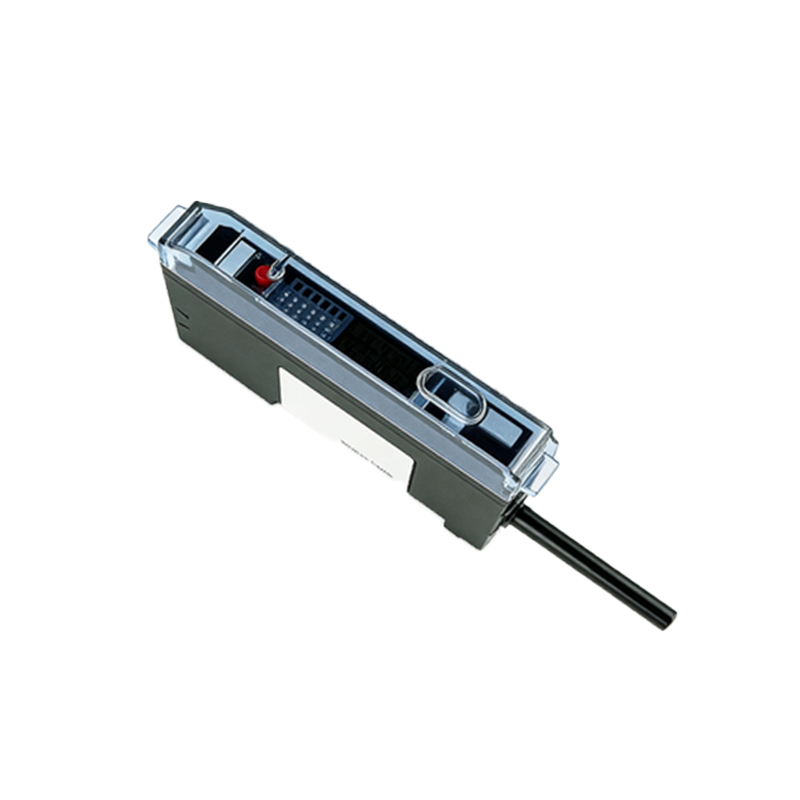
The operational heart of a PIR sensor involves a segmented Fresnel lens or a mirror optic system that focuses infrared radiation onto the pyroelectric element. This element is often divided into two or more complementary segments. When there is no motion, the infrared radiation hitting both segments is balanced, resulting in a net zero output signal. Movement of a warm object across the sensor's field of view causes a sequential change in the infrared radiation level on the different segments. This creates a positive or negative differential signal, which is interpreted as motion. The raw signal from the sensing element is extremely weak and requires sophisticated onboard signal processing. This typically involves a high-impedance buffer amplifier, band-pass filtering to eliminate DC signals from ambient temperature and high-frequency electrical noise, and a comparator circuit. The final output is a clean, digital signal that can be easily interfaced with microcontrollers, relays, or alarm panels.
Key Design Considerations and Performance Factors
Several critical factors influence the performance and reliability of a PIR photoelectric sensor in practical installations. The field of view, defined by the lens design, determines the coverage pattern—common patterns include long-range curtain, wide-angle, and volumetric. Detection range, which can vary from a few meters to over 20 meters, must be matched to the application. Sensitivity adjustment is crucial to avoid false triggers from small animals or environmental factors while ensuring reliable detection of human-sized targets. Environmental robustness is another key consideration; sensors must be rated for operational temperature ranges, humidity, and protected against dust and water ingress, often indicated by an IP (Ingress Protection) rating. Modern sensors also incorporate features like pulse count logic, which requires multiple detection signals within a set time to trigger, and pet immunity algorithms to distinguish between human and animal heat signatures.
Primary Applications Across Industries
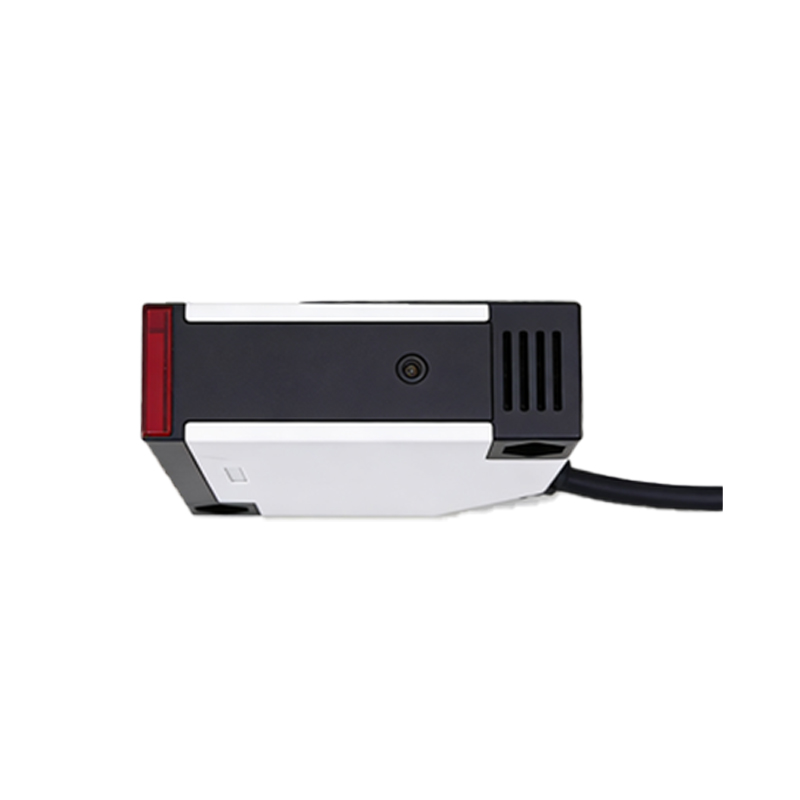
The application spectrum for PIR sensors is vast and continually expanding. In security and intrusion detection, they are the primary component in motion-activated alarms and security lighting. In building automation and energy management, they are ubiquitous in occupancy-sensing lighting controls and HVAC systems, turning off lights and adjusting climate control in unoccupied spaces. The consumer electronics market utilizes PIR sensors in smart home devices for automatic lighting, gaming consoles, and television power-saving modes. Industrial automation employs them for presence detection on conveyor lines, in safety systems to ensure personnel are clear of hazardous machinery, and for automatic door activation. Their passive nature, low power consumption, and cost-effectiveness make them a preferred choice for battery-operated wireless devices and IoT endpoints.
Advantages and Limitations in System Design
PIR sensors offer distinct advantages that solidify their market position. Their passive operation translates to very low power consumption, enabling years of operation on small batteries. They do not emit any radiation, making them safe and free from regulatory concerns associated with active emitters like radar. They are generally cost-effective to manufacture and provide reliable detection of living beings. However, engineers must account for their limitations. PIR sensors detect changes in thermal radiation, not presence. A perfectly stationary person will not be detected. Their performance can be affected by extreme ambient temperatures, and they can be triggered by non-human heat sources like moving sunlight patches from windows or hot air from vents. They cannot identify the object, only sense motion based on infrared differentials.
Guidelines for Selection and Installation
Selecting the right PIR sensor requires a systematic approach. First, define the primary objective: Is it for security, occupancy-based lighting, or industrial counting? Next, assess the environment: indoor, outdoor, temperature extremes, and potential sources of interference. Choose the appropriate lens pattern and range to cover the desired area without creating blind spots or over-sensitive zones. For critical applications, consider dual-technology sensors that combine PIR with microwave or ultrasonic sensing to drastically reduce false alarms. Installation is critical for performance. Sensors should be mounted at the recommended height, typically 2-2.5 meters for wall-mounted units. Avoid pointing sensors directly at heat sources, air vents, windows with moving sunlight, or areas with frequent small animal traffic. Proper alignment and testing under real conditions are essential final steps.
Future Trends and Technological Evolution
The future of PIR sensor technology is geared towards greater integration, intelligence, and miniaturization. Advances in MEMS (Micro-Electro-Mechanical Systems) fabrication are leading to smaller, lower-cost sensors with integrated digital signal processors. The integration of PIR sensors with other environmental sensors (temperature, light, humidity) on a single chip is creating multi-purpose smart sensing nodes for the IoT. Artificial intelligence and edge processing are being applied to the sensor's output, enabling pattern recognition to distinguish between types of movement or specific activities. Furthermore, the development of multi-element array sensors and thermal imaging pixels is blurring the line between simple motion detection and low-resolution thermal imaging, opening new applications in elderly care, retail analytics, and advanced driver-assistance systems (ADAS).