Introduction to Photoelectric Sensor Swivel Tubes
In the realm of industrial automation, photoelectric sensors are indispensable for detecting the presence, absence, or position of objects without physical contact. A critical yet often overlooked component that enhances their functionality is the photoelectric sensor swivel tube, also commonly referred to as a swivel mount or adjustable bracket. This mechanical accessory is designed to provide unparalleled flexibility in aligning the sensor's optical axis—comprising the emitter and receiver—with the target object. In dynamic or complex installation environments where fixed mounting proves inadequate, the swivel tube becomes an essential solution, enabling precise angular adjustment to ensure optimal sensing performance and reliability.
Core Functions and Operational Benefits
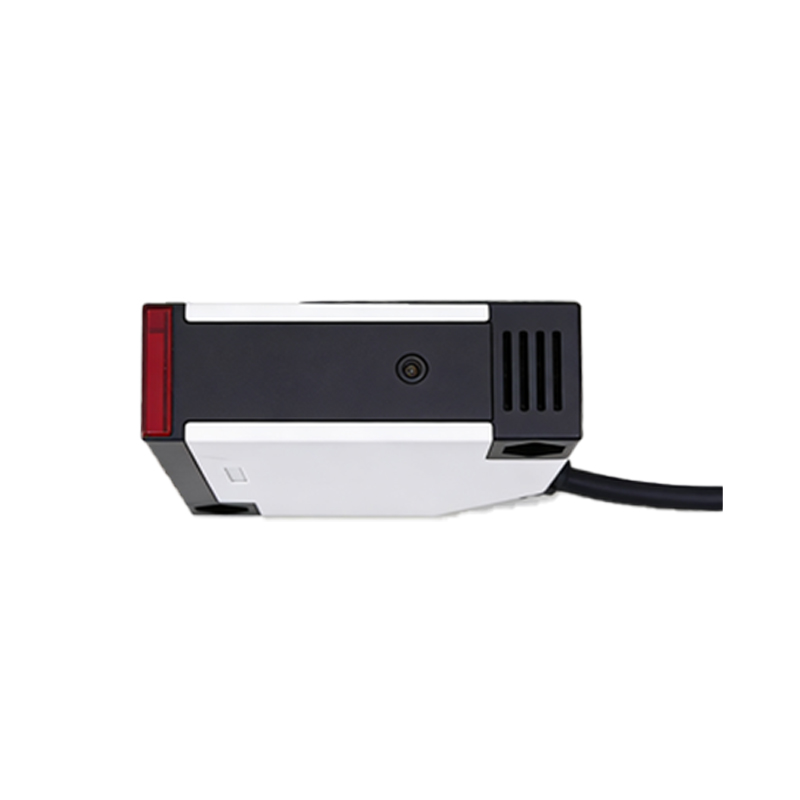
The primary function of a photoelectric sensor swivel tube is to offer multi-axis adjustability. Typically, these tubes allow for rotation and tilt across one or more planes, permitting fine-tuning of the sensor's orientation after installation. This adjustability is crucial for compensating for mounting inaccuracies, machine vibrations, thermal expansion, or shifts in the production line layout. By enabling on-the-fly alignment, swivel tubes ensure that the sensor's light beam is accurately directed towards the detection point, maximizing the signal strength and minimizing false triggers or missed detections. This directly translates to increased system uptime, reduced maintenance interventions, and enhanced overall process quality.
Design Variations and Material Considerations
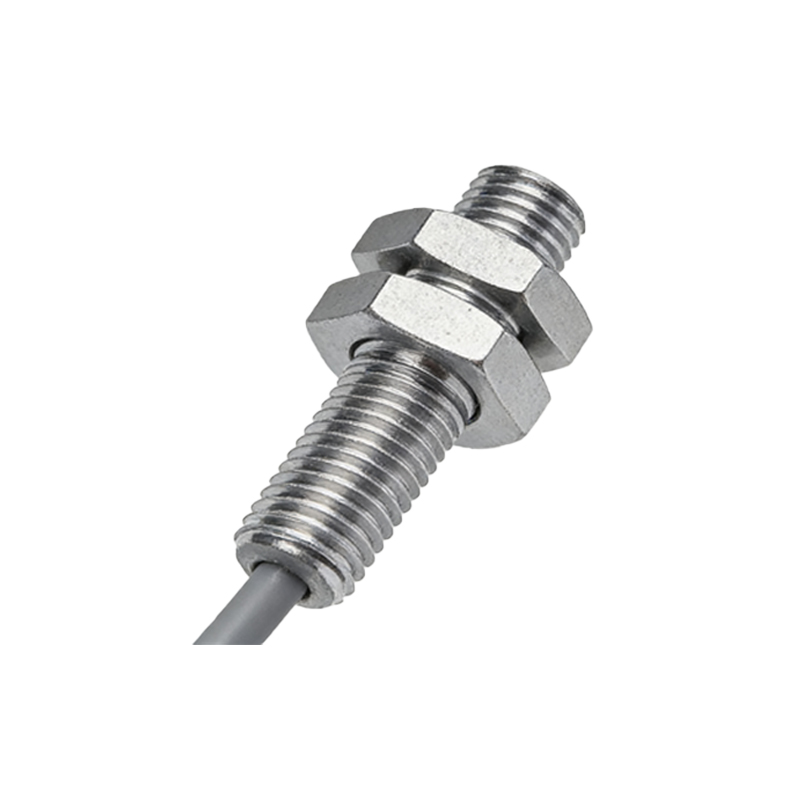
Photoelectric sensor swivel tubes are engineered in various designs to suit different sensor form factors and environmental demands. Common types include ball-and-socket joints, articulated arms with locking knobs, and flexible gooseneck tubes. The choice of material is paramount for durability and performance. Standard units are often constructed from robust metals like zinc-plated steel or anodized aluminum, providing strength and resistance to industrial wear. For corrosive or washdown environments, such as in food processing or pharmaceutical applications, stainless steel (e.g., SS304 or SS316) or engineered plastics with high IP (Ingress Protection) ratings are employed to ensure longevity and consistent operation despite exposure to moisture, chemicals, or extreme temperatures.
Integration in Diverse Sensing Modes
The utility of swivel tubes extends across all primary photoelectric sensing modes: through-beam, retro-reflective, and diffuse-reflective. In through-beam applications, where the emitter and receiver are separate units, swivel tubes on both ends allow for independent alignment to establish a perfect optical path over long distances. For retro-reflective sensors, a single swivel tube facilitates precise aiming at the reflector. In diffuse-reflective setups, where the sensor detects light reflected directly from the target, micro-adjustments via a swivel tube are vital for setting the exact sensing range and avoiding background interference. This versatility makes them a universal enhancement tool.
Installation Best Practices and Calibration
Proper installation is key to leveraging a swivel tube's full potential. It is recommended to first securely mount the base of the swivel assembly to a stable surface using appropriate hardware. The photoelectric sensor is then attached to the tube's head. During alignment, the locking mechanism (often a hex nut or lever) should be slightly loosened to allow smooth movement. Using the sensor's built-in indicator (usually an LED), adjust the orientation until a stable signal is achieved in the presence of the target. Finally, firmly tighten all locking mechanisms to prevent drift due to vibration, ensuring the alignment remains fixed during operation. Regular checks as part of preventive maintenance are advised.
Impact on System Design and Cost Efficiency
Incorporating swivel tubes into automation system design offers significant long-term cost benefits. They reduce the need for custom-machined brackets or complex realignment procedures during machine setup or modification. This accelerates installation time and lowers labor costs. Furthermore, by ensuring sensors operate at peak efficiency, they prevent costly errors, product waste, and unplanned downtime. The initial investment in a quality swivel tube is quickly offset by the gains in operational reliability and flexibility, making it a cost-effective component for both OEM machine builders and end-users performing system upgrades.
Future Trends and Technological Synergy
As Industry 4.0 advances, the role of adjustable hardware like swivel tubes evolves. Future designs may integrate smart features, such as motorized adjustments controlled via PLC signals or IoT-enabled sensors that self-correct alignment based on feedback. The synergy between precise mechanical adjustability and intelligent sensor systems will be crucial for adaptive manufacturing cells and agile production lines. The humble swivel tube, therefore, remains a foundational element, bridging robust mechanical design with the demands of next-generation, flexible automation.