Introduction to Photoelectric Sensor Technology
Photoelectric sensors are pivotal components in modern industrial automation, leveraging light beams to detect the presence, absence, or position of objects. These sensors operate by emitting a light source—typically infrared, visible red, or laser—toward a target. A receiver then captures the reflected or transmitted light, converting it into an electrical signal. The core principle hinges on the modulation of light intensity, which is disrupted when an object interrupts the beam. This technology is renowned for its high precision, rapid response times, and non-contact operation, making it ideal for applications requiring meticulous detection, such as verifying part presence on assembly lines. In manufacturing environments, even minor oversights like missing components can lead to product defects, operational delays, and increased costs. Photoelectric sensors address this by providing reliable, real-time monitoring, ensuring that every part is correctly placed before proceeding to subsequent production stages. Their versatility allows integration into diverse systems, from conveyor belts to robotic arms, enhancing overall efficiency and quality control.
Mechanisms for Detecting Missing Parts
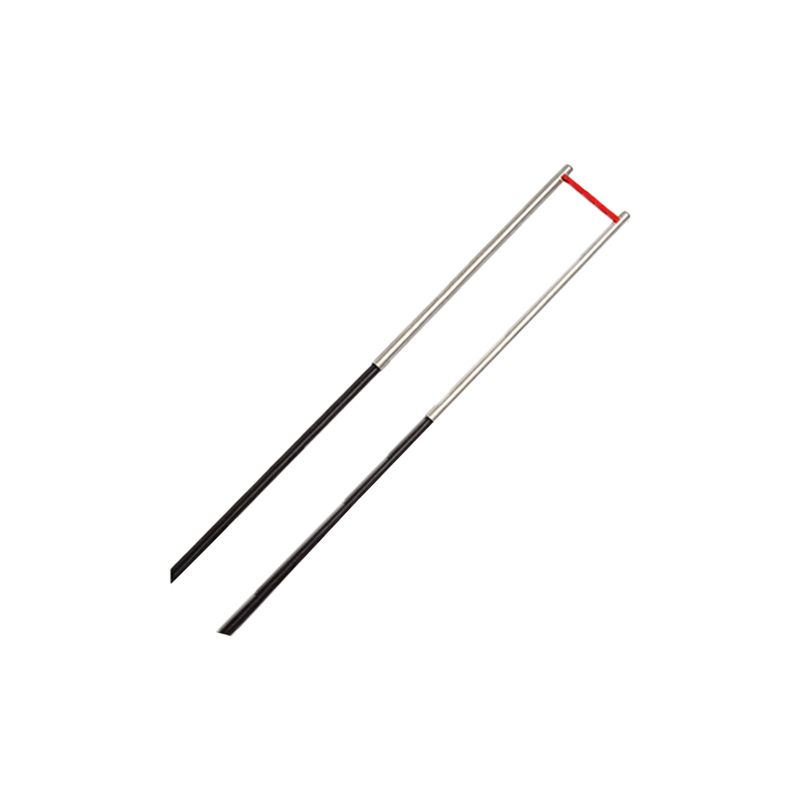
The detection of missing parts using photoelectric sensors involves several operational modes, each tailored to specific industrial scenarios. In the retro-reflective mode, the sensor emits light toward a reflector, which bounces it back to the receiver; if a part is absent, the beam is uninterrupted, triggering an alert. Conversely, the through-beam mode employs separate emitter and receiver units positioned opposite each other, where a missing part fails to block the light, signaling an error. Diffuse reflection mode relies on light bouncing directly off the target object, with sensors calibrated to detect the absence of reflection when a part is missing. Advanced sensors incorporate background suppression techniques, ignoring distant objects to focus solely on the target area, thereby reducing false positives. For instance, in automotive assembly, sensors can scan for absent bolts or seals, halting the line if a gap is detected. These mechanisms are often enhanced with programmable logic controllers (PLCs) that analyze sensor data, enabling automated adjustments or alerts. By combining high-speed scanning with adaptive thresholds, photoelectric systems minimize detection errors, even in dynamic or cluttered environments.
Advantages Over Alternative Detection Methods
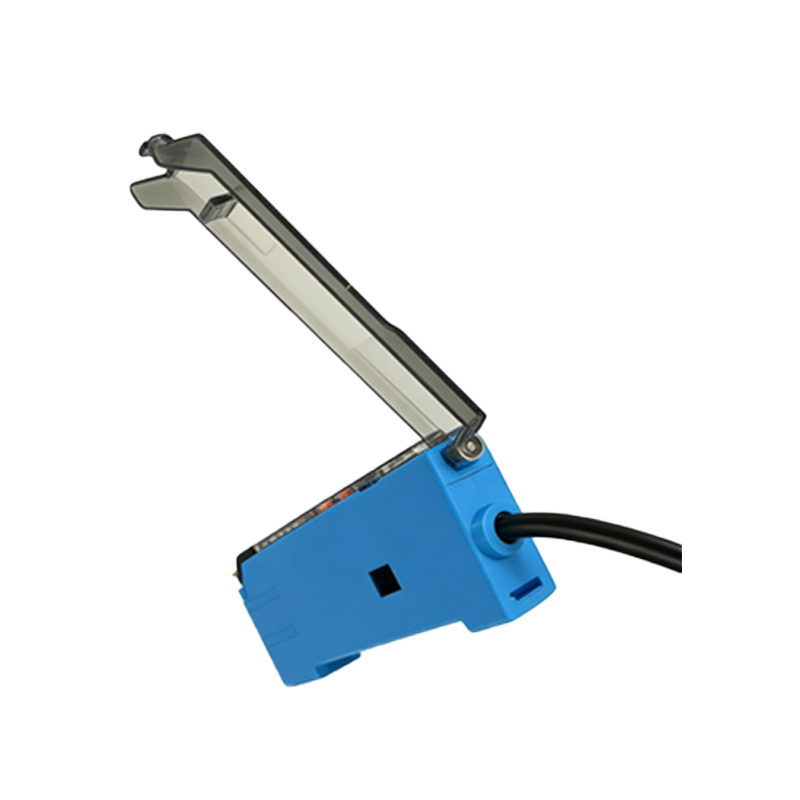
Compared to other detection technologies like proximity sensors or vision systems, photoelectric sensors offer distinct benefits for missing part detection. Their non-contact nature eliminates wear and tear, ensuring longevity and reducing maintenance needs. Proximity sensors, which rely on electromagnetic fields, may struggle with non-metallic materials, whereas photoelectric sensors detect a wide range of substances, including plastics, glass, and liquids. Vision systems, while powerful, often involve higher costs, complex software, and slower processing times. Photoelectric sensors provide a cost-effective solution with millisecond-level responses, crucial for high-speed production lines. Additionally, they are less susceptible to environmental factors like dust or moisture when equipped with protective housings. For example, in packaging industries, sensors reliably identify missing labels or caps on bottles, even under varying light conditions. Their compact design allows easy installation in tight spaces, and modern variants feature IO-Link connectivity for seamless data integration with industrial networks. This adaptability makes photoelectric sensors a preferred choice for ensuring part completeness across sectors like electronics, pharmaceuticals, and food processing.
Implementation Best Practices
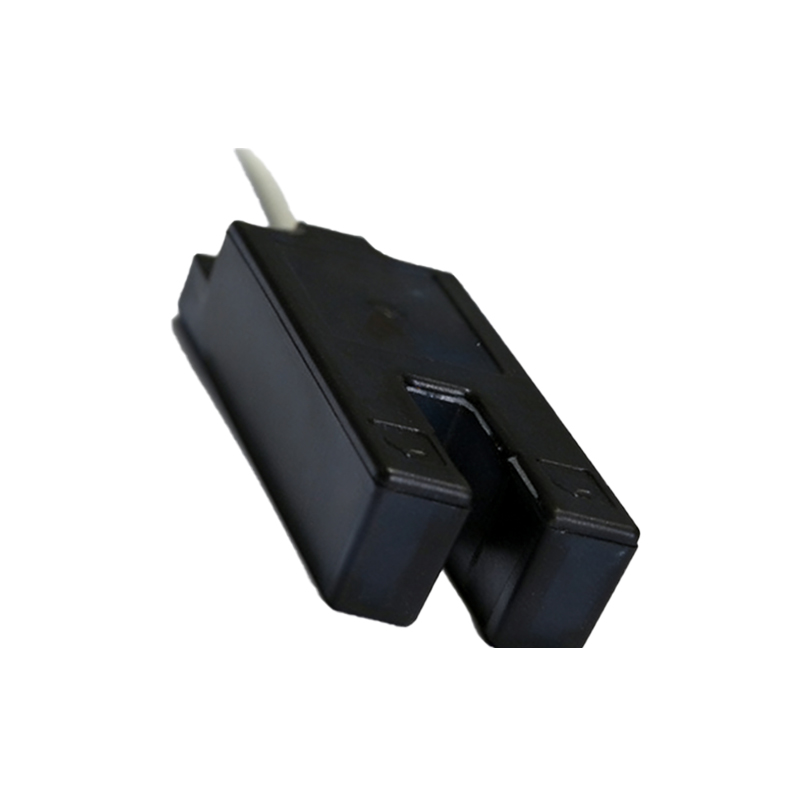
Successful deployment of photoelectric sensors for missing part detection requires careful planning and adherence to industry standards. First, select the appropriate sensor type based on the application: through-beam for long-range accuracy, diffuse for short-range flexibility, or retro-reflective for moderate distances. Calibration is critical; adjust sensitivity settings to distinguish between present and absent parts, accounting for factors like object color, surface texture, and ambient light. Mounting position should optimize the beam path, avoiding obstructions and aligning with the target's expected location. Regular maintenance, including lens cleaning and alignment checks, prevents performance degradation. In automated systems, integrate sensors with PLCs to enable real-time feedback loops—for instance, triggering an alarm or stopping a conveyor when a missing part is detected. Testing under simulated conditions, such as running empty pallets through a line, validates reliability. Case studies show that in electronics manufacturing, sensors configured with fail-safe logic reduce defect rates by over 90%. Training personnel on troubleshooting common issues, like misalignment or signal interference, further enhances operational uptime. By following these practices, industries can maximize sensor efficacy, ensuring robust quality assurance.
Future Trends and Innovations
The evolution of photoelectric sensors is driving advancements in missing part detection, with trends focusing on smarter, more integrated solutions. Industry 4.0 initiatives are incorporating IoT capabilities, enabling sensors to transmit data to cloud platforms for predictive analytics and remote monitoring. AI-enhanced sensors can learn from detection patterns, improving accuracy over time by adapting to production variations. Miniaturization is expanding applications, with micro-sensors fitting into compact devices like medical implants or microelectronics. Energy-efficient designs, powered by low-voltage systems, support sustainable manufacturing goals. Additionally, hybrid sensors combining photoelectric and ultrasonic technologies offer multi-modal detection, handling complex scenarios where parts vary in material or size. Research into quantum dot-based sensors promises even higher sensitivity for nanoscale components. As automation becomes more pervasive, these innovations will reduce downtime and enhance precision, solidifying photoelectric sensors as indispensable tools in industrial quality control. Companies investing in these technologies can expect improved compliance with safety standards and higher customer satisfaction through defect-free products.