Understanding Ultra-Long Range Proximity Sensors
Ultra-long range proximity sensors are advanced devices designed to detect objects at distances significantly greater than standard sensors, often exceeding several meters. These sensors utilize technologies such as ultrasonic, laser, or specialized inductive methods to achieve extended detection ranges. They are commonly employed in industrial automation, security systems, and large-scale material handling applications where early object detection is critical for safety and efficiency. Unlike short-range sensors, ultra-long range models require precise installation and wiring to ensure optimal performance, as environmental factors like temperature, humidity, and interference can impact their accuracy. Understanding their operational principles is essential before proceeding with wiring, as incorrect connections may lead to reduced range, false triggers, or sensor damage.
Components and Specifications Overview
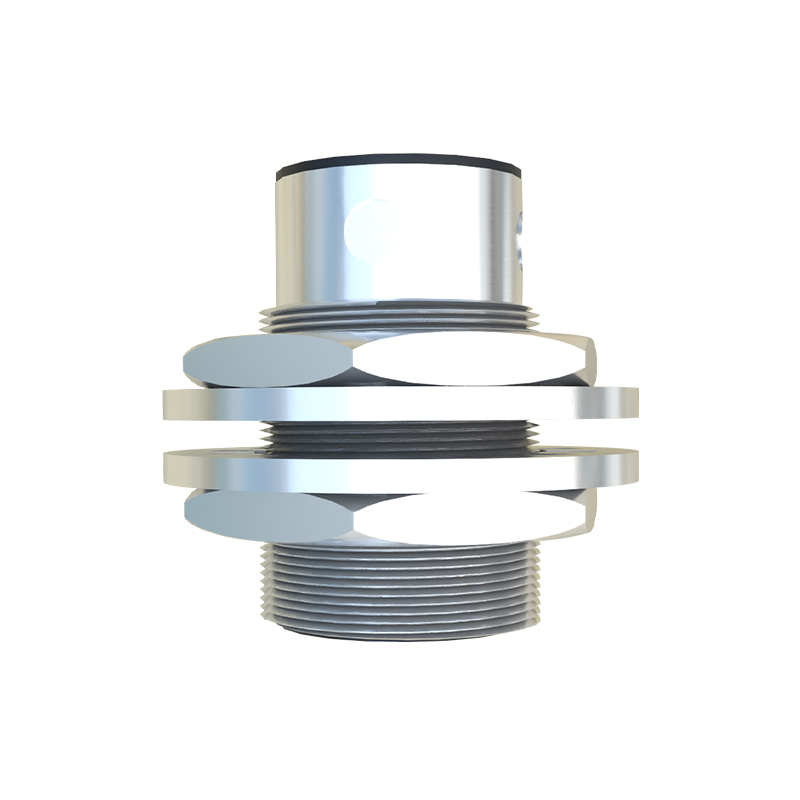
A typical ultra-long range proximity sensor system consists of the sensor unit, power supply, output module, and connecting cables. Key specifications to consider include sensing distance (e.g., 5-20 meters), output type (e.g., NPN, PNP, analog, or relay), voltage rating (commonly 12-24V DC or 110-240V AC), and environmental protection ratings like IP67 for dust and water resistance. The sensor unit usually features terminals or connectors for power input, ground, and output signals, while some models include additional pins for diagnostics or configuration. Always refer to the manufacturer's datasheet for exact specifications, as wiring diagrams vary based on the sensor's design and intended application. Ignoring these details can result in compatibility issues or operational failures.
Step-by-Step Wiring Diagram Explanation
The wiring process for an ultra-long range proximity sensor involves connecting it to a power source and a control device, such as a PLC or relay. For a standard DC sensor, start by identifying the power terminals: typically labeled V+ (positive) and V- (negative). Connect the positive wire from the power supply to V+ and the negative wire to V-. Next, link the output terminal (often marked OUT or NO for normally open) to the input of the control device. If using a relay output, ensure the load (e.g., a lamp or motor) is connected in series with the output and power. For AC sensors, connect the live and neutral wires accordingly, and attach the output to the load. Always use shielded cables for long runs to minimize electrical noise, and secure connections with proper terminals to prevent loosening.
Common Wiring Configurations and Examples
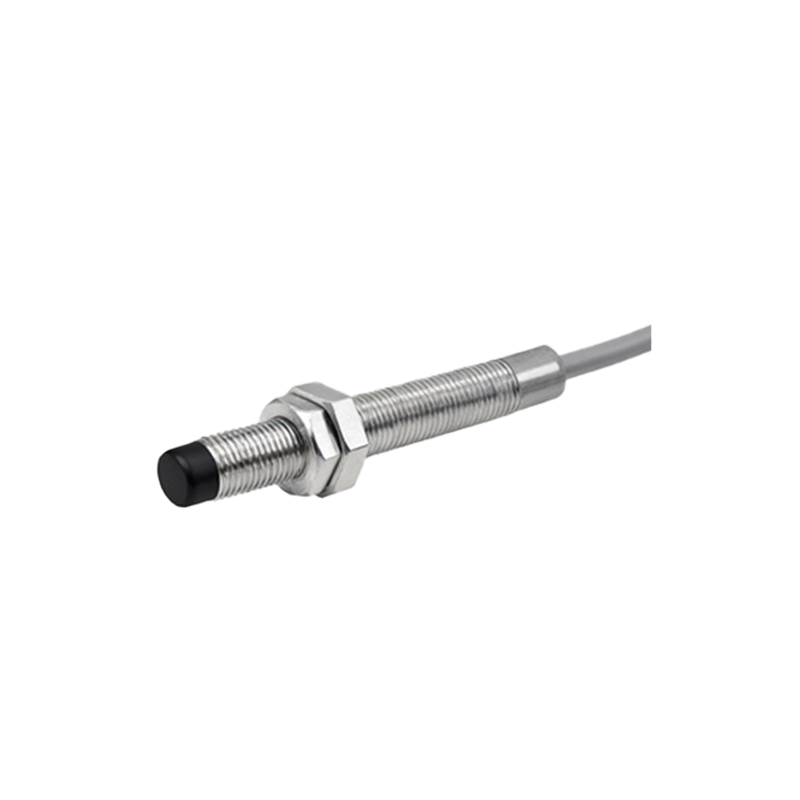
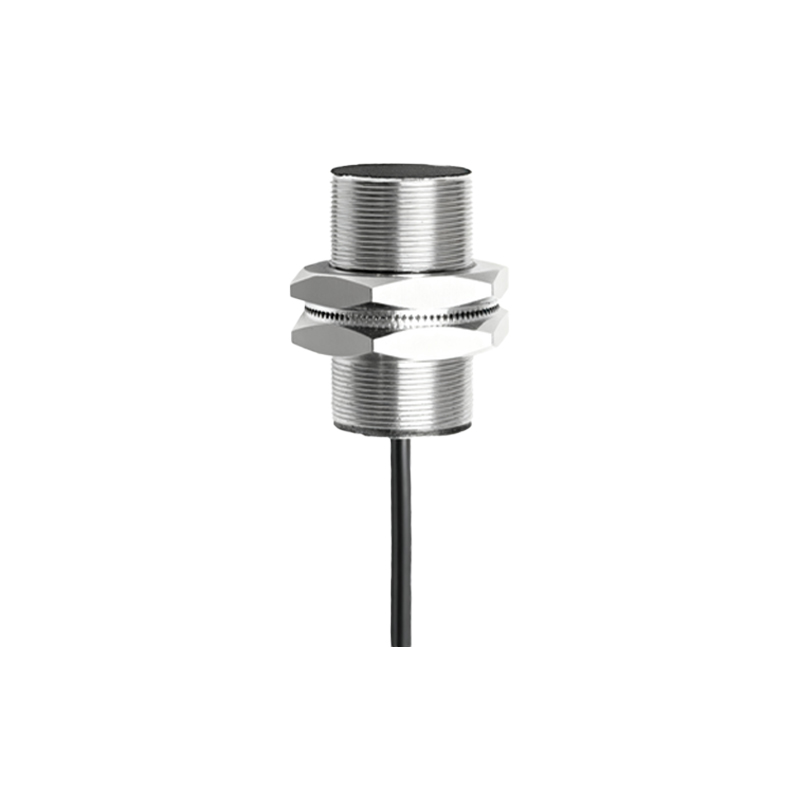
Ultra-long range proximity sensors can be wired in various configurations depending on the application. In a basic two-wire setup, the sensor is connected in series with the power supply and load, simplifying installation but limiting control options. Three-wire sensors, which include separate power and output wires, offer more flexibility and are widely used in industrial settings. For instance, an NPN output sensor sinks current to ground when activated, suitable for PLC inputs, while a PNP output sources current. In complex systems, multiple sensors may be daisy-chained or connected to a network via interfaces like IO-Link for centralized monitoring. Always follow the wiring diagram provided by the manufacturer, and test each connection with a multimeter to verify continuity and voltage levels before powering on.
Troubleshooting and Best Practices
After wiring, common issues include no detection, intermittent signals, or reduced range. Begin troubleshooting by checking power supply stability and ensuring connections are tight and corrosion-free. Verify that the sensor is correctly aligned with the target and that environmental conditions are within specified limits. Use an oscilloscope to inspect output signals for noise or distortion, which may require adding ferrite cores or rerouting cables away from high-voltage sources. For maintenance, periodically clean the sensor lens or surface, and inspect cables for wear. Implement best practices such as labeling wires, using conduit for protection, and keeping a log of wiring changes to streamline future repairs. Regular calibration, as per the manufacturer's guidelines, helps maintain long-term accuracy and reliability.
Applications and Industry Insights
Ultra-long range proximity sensors are vital in industries like automotive manufacturing, where they monitor vehicle positions on assembly lines, and in logistics for pallet detection in warehouses. In renewable energy, they assist in wind turbine blade positioning, while in agriculture, they enable automated irrigation systems. Their ability to operate in harsh conditions makes them ideal for outdoor use, but proper wiring is crucial to withstand vibrations, temperature extremes, and moisture. As technology evolves, integrating these sensors with IoT platforms allows for real-time data analysis and predictive maintenance. By mastering wiring techniques, engineers can enhance system performance, reduce downtime, and support innovative automation solutions across diverse sectors.