Introduction to Photoelectric Proximity Sensors
Photoelectric proximity sensors are non-contact devices that detect the presence, absence, or distance of objects using a light transmitter and receiver. They operate by emitting a beam of light—typically infrared, visible red, or laser—and analyzing the reflected or interrupted light signal. These sensors are integral to modern automation systems, offering high precision, fast response times, and versatility across diverse environments. Unlike inductive or capacitive sensors, photoelectric sensors can detect a wide range of materials, including glass, plastic, metal, and liquids, making them suitable for applications from packaging and material handling to robotics and safety systems. Their ability to function over long distances and through transparent surfaces further enhances their utility in complex industrial setups.
Operating Principles and Sensing Modes
The core functionality of photoelectric proximity sensors is based on three primary sensing modes: through-beam, retro-reflective, and diffuse reflective. In through-beam mode, the transmitter and receiver are separate units aligned opposite each other; detection occurs when an object interrupts the light beam, providing high accuracy and long sensing ranges up to several meters. Retro-reflective mode uses a single housing with both emitter and receiver, along with a reflector; the sensor detects objects that block the reflected light, offering easier installation than through-beam systems. Diffuse reflective mode, also known as proximity mode, relies on light reflecting directly off the target object, making it ideal for short-range detection where space is limited. Advanced models may incorporate background suppression or time-of-flight technology to ignore distant objects or measure exact distances, improving reliability in challenging conditions.
Key Technical Specifications and Features
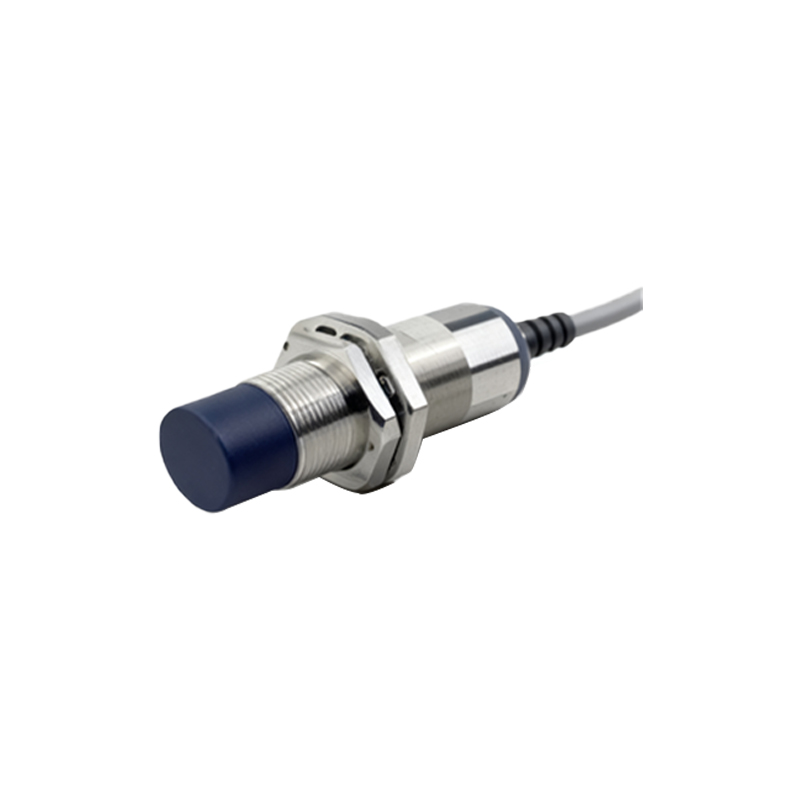
When selecting a photoelectric proximity sensor, critical specifications include sensing range, light source type, output configuration, and environmental ratings. Sensing range varies from a few centimeters to over 50 meters, depending on the mode and model. Common light sources are LED-based (infrared or visible) for durability and low power consumption, or laser diodes for precise spot detection. Outputs typically consist of digital signals (PNP/NPN transistor or relay) or analog signals (4-20 mA or 0-10 V) for continuous distance measurement. Enclosures are often rated IP67 or higher for dust and water resistance, with materials like stainless steel or plastic suited to harsh industrial settings. Additional features may include adjustable sensitivity, teach-in functions for easy setup, and built-in diagnostics like IO-Link communication for real-time monitoring and integration with Industry 4.0 systems.
Installation and Alignment Guidelines
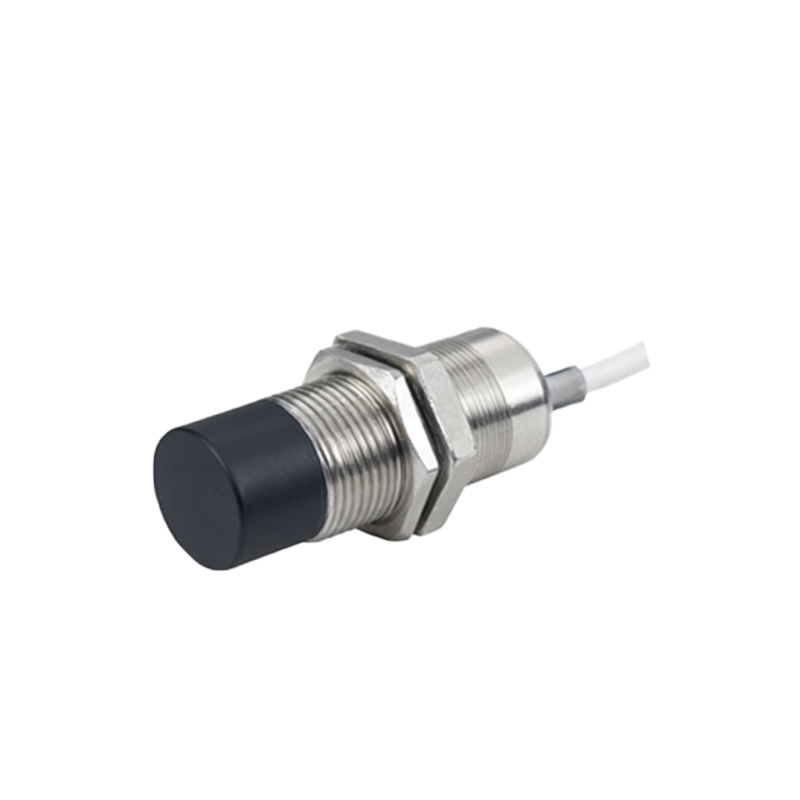
Proper installation is essential for optimal sensor performance. Begin by mounting the sensor securely on a stable surface, ensuring it is free from vibrations that could cause misalignment. For through-beam sensors, align the transmitter and receiver precisely using alignment indicators or audible signals; even minor deviations can reduce effectiveness. In retro-reflective setups, position the reflector perpendicular to the sensor axis and avoid shiny surfaces that might cause false reflections. Diffuse sensors should be angled to minimize background interference from nearby objects. Always consider environmental factors: clean lenses regularly to prevent dirt buildup, shield sensors from direct sunlight or ambient light noise, and maintain operating temperatures within specified limits (typically -25°C to 70°C). Wiring must follow manufacturer diagrams, with attention to polarity and load requirements to prevent damage.
Application Examples in Industrial Automation
Photoelectric proximity sensors are deployed across numerous industries due to their adaptability. In conveyor systems, they detect product presence for counting, sorting, or triggering actuators. Packaging lines use them to verify label placement, monitor fill levels in containers, or inspect seal integrity. Automotive manufacturing relies on sensors for part positioning, robot guidance, and safety curtains to protect workers. In logistics, they enable object detection on automated guided vehicles (AGVs) and warehouse retrieval systems. Food and beverage applications include bottle cap detection and liquid level sensing, often requiring hygienic designs. Emerging uses involve smart agriculture for crop monitoring and healthcare for equipment sterilization checks. Each application benefits from the sensor's non-contact nature, which eliminates wear and allows high-speed operation without physical impact.
Troubleshooting and Maintenance Tips
Common issues with photoelectric sensors include false triggers, reduced range, or no output signal. Start troubleshooting by verifying power supply and connections; loose wiring or voltage drops can cause intermittent failures. Check for obstructions in the light path or lens contamination, cleaning gently with a soft cloth if needed. Adjust sensitivity settings if the sensor is reacting to unintended objects or environmental light. For alignment problems, use alignment tools or temporarily increase sensitivity to find the optimal position. Regular maintenance involves periodic inspection for physical damage, testing with a known target, and reviewing environmental conditions like temperature shifts or new reflective surfaces. Logging performance data