Introduction to Photoelectric Sensing for Iron Detection
Photoelectric sensors are versatile devices widely used in industrial automation for detecting the presence, absence, or position of objects. While commonly associated with detecting non-metallic materials, their application in detecting iron and other metals is a critical, though sometimes misunderstood, capability. Unlike inductive proximity sensors, which are inherently designed for metal detection, photoelectric sensors detect objects by using a light beam. Therefore, their effectiveness with iron objects depends not on the material's metallic properties, but on its ability to interrupt or reflect this beam. This principle allows photoelectric sensors to detect iron objects with high precision and at greater distances than many metal-specific sensors, provided the surface conditions are suitable.
Core Operating Principles Relevant to Iron
Photoelectric sensors operate on three primary modes: through-beam, retro-reflective, and diffuse reflective. For detecting iron objects, the through-beam and diffuse reflective modes are most prevalent. In through-beam systems, an emitter and receiver are placed opposite each other. An iron object passing between them interrupts the light beam, triggering a detection signal. This method offers the highest reliability and longest sensing range, even for dark or matte iron surfaces. The diffuse reflective mode, where the emitter and receiver are housed in the same unit, detects light reflected off the target object itself. Here, the detectability of an iron piece heavily depends on its surface finish. A shiny, polished iron surface acts as an excellent reflector, enabling reliable detection. Conversely, a rough, dark, or rusted iron surface absorbs most of the light, making detection challenging and requiring sensors with high sensitivity or background suppression technology.
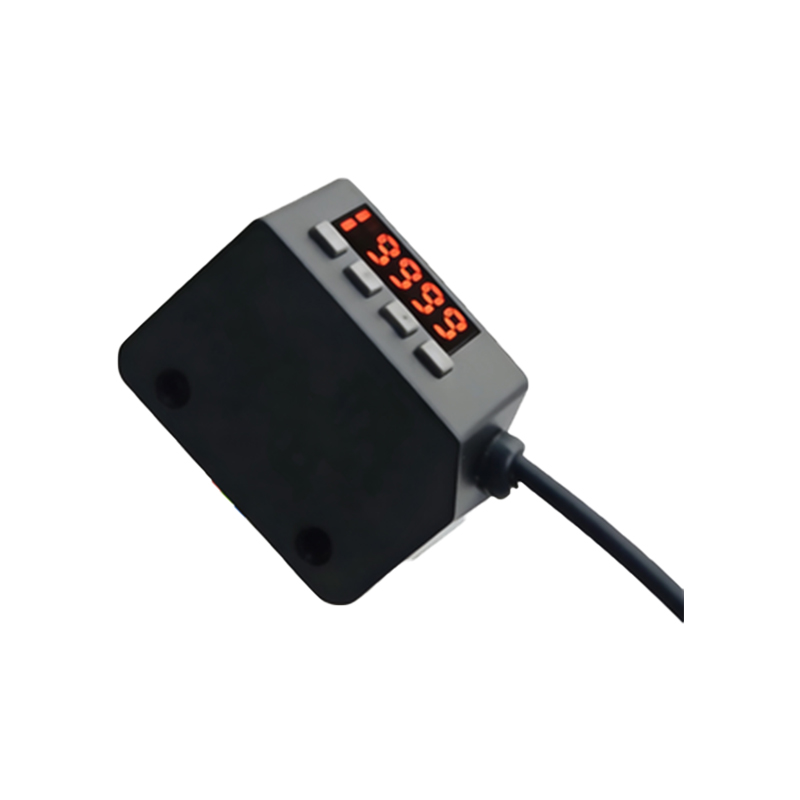
Surface Finish: The Critical Factor in Detection
The surface characteristics of the iron object are paramount. A smooth, machined, or plated iron surface provides a consistent reflective profile, allowing standard diffuse sensors to perform well. For oxidized, painted, or cast iron with a rough texture, the light scattering is significant. In such cases, background suppression (BGS) or fixed-field sensors are recommended. These advanced variants can precisely define a sensing window, ignoring reflections from surfaces beyond the set distance, such as a conveyor belt behind a dark iron casting. This capability ensures that only the iron object within the specified range is detected, overcoming issues caused by poor reflectivity.
Advantages Over Inductive Proximity Sensors
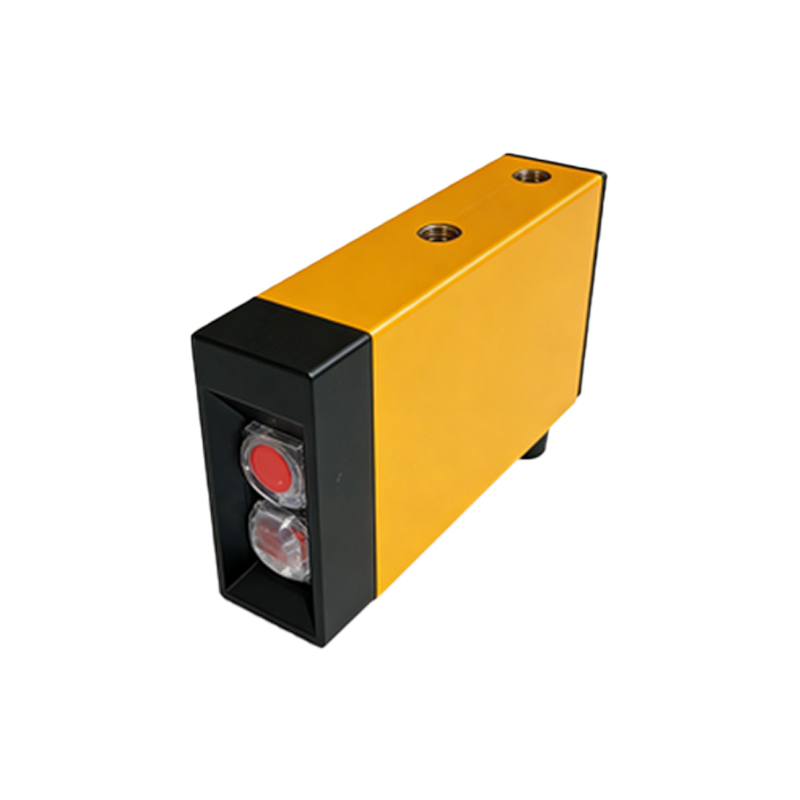
Choosing a photoelectric sensor for iron detection offers distinct advantages in specific scenarios. The primary benefit is the increased sensing range. Photoelectric sensors can detect objects several meters away, whereas inductive sensors are limited to a few tens of millimeters for iron. This makes photoelectrics ideal for large-scale material handling or when the sensor must be mounted at a safe distance from heavy machinery. Secondly, photoelectric sensors are insensitive to the target's electrical characteristics. They can detect both magnetic and non-magnetic metals (like aluminum or stainless steel) with equal ease, providing flexibility in mixed-material production lines. Finally, they offer superior precision for detecting small iron parts or thin edges that might not provide enough mass to trigger an inductive sensor reliably.
Key Application Examples in Industry
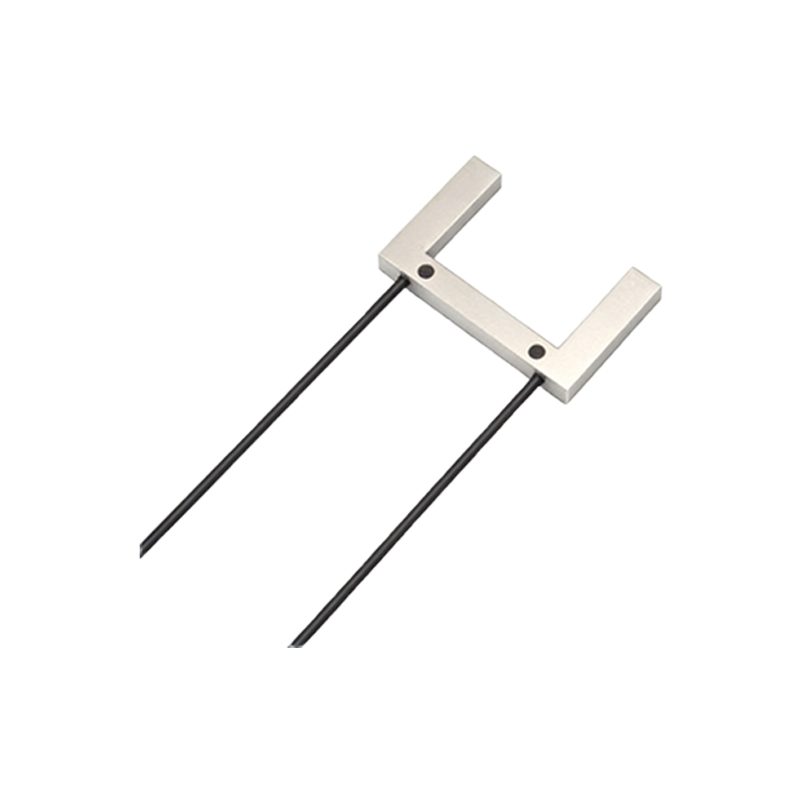
Practical applications abound across various sectors. In automotive manufacturing, photoelectric sensors verify the presence of iron engine blocks on assembly pallets before machining. In packaging machinery, they count iron cans or lids on high-speed filling lines. In the metal stamping industry, through-beam sensors ensure a blank iron sheet has been properly fed into a press before each cycle, preventing catastrophic damage. Warehousing and logistics use them to detect the presence of iron-containing totes or products on conveyor systems for sorting and routing. In each case, the non-contact nature, speed, and reliability of photoelectric sensing enhance safety and throughput.
Selecting the Right Photoelectric Sensor
Selection requires careful consideration of several parameters. First, determine the operating mode based on the installation constraints and required reliability. Through-beam is preferred for maximum reliability, especially with low-reflectivity iron. Next, consider the sensing range needed and add a safety margin. For diffuse reflection on iron, consult the sensor's data sheet for the "reflectivity factor" or detection curve for dark surfaces. Light source is another key choice; red LED light is common and cost-effective, while laser models offer a precise spot for small part detection. For challenging surfaces, prioritize sensors with background suppression or true color detection capabilities. Finally, ensure the sensor housing (typically IP67 rated or higher) and electrical output (PNP/NPN, analog, or IO-Link) match the industrial environment and control system requirements.
Installation and Calibration Best Practices
Proper installation is crucial for consistent performance. Avoid mounting sensors where ambient light (like welding arcs or direct sunlight) can interfere with the receiver. For through-beam types, ensure precise alignment of the emitter and receiver. When detecting shiny iron, angle the sensor slightly off-perpendicular to prevent the specular reflection from bouncing directly back to the receiver in a diffuse setup, which could cause a false "no object" signal. During calibration, especially for BGS sensors, use the actual iron workpiece to teach the detection distance. Regularly clean the lens to prevent dust or oil mist buildup, which can attenuate the light beam and reduce effective range, leading to unreliable detection of iron objects.
Conclusion and Future Outlook
Photoelectric sensors provide a robust, long-range, and flexible solution for detecting iron objects in automated systems. Success hinges on understanding the interplay between the sensor's technology and the iron target's surface properties. By selecting the appropriate operating mode and sensor technology—such as background suppression for dark iron—engineers can achieve highly reliable detection. As sensor technology evolves, with advancements in multi-pixel array receivers and integrated AI for pattern recognition, the capability to distinguish between different material types, including various iron finishes, directly via photoelectric means will become even more sophisticated, further solidifying their role in smart factory environments.