What is a Photoelectric Sensor?
A photoelectric sensor is a device that uses a light transmitter, typically an LED or laser diode, and a photoelectric receiver to detect the presence, absence, or distance of an object. It operates by emitting a beam of light; the sensor's receiver then detects changes in the received light intensity caused by the target object interrupting or reflecting the beam. These sensors are fundamental components in industrial automation, packaging, material handling, and safety systems due to their non-contact operation, high speed, and reliability. Common types include through-beam, retro-reflective, and diffuse reflective sensors. Their core electronic components, like the light source and the receiver circuit, are susceptible to electrical and environmental stresses, which leads to the critical question of their potential for failure or "burning out."
Primary Causes of Photoelectric Sensor Failure
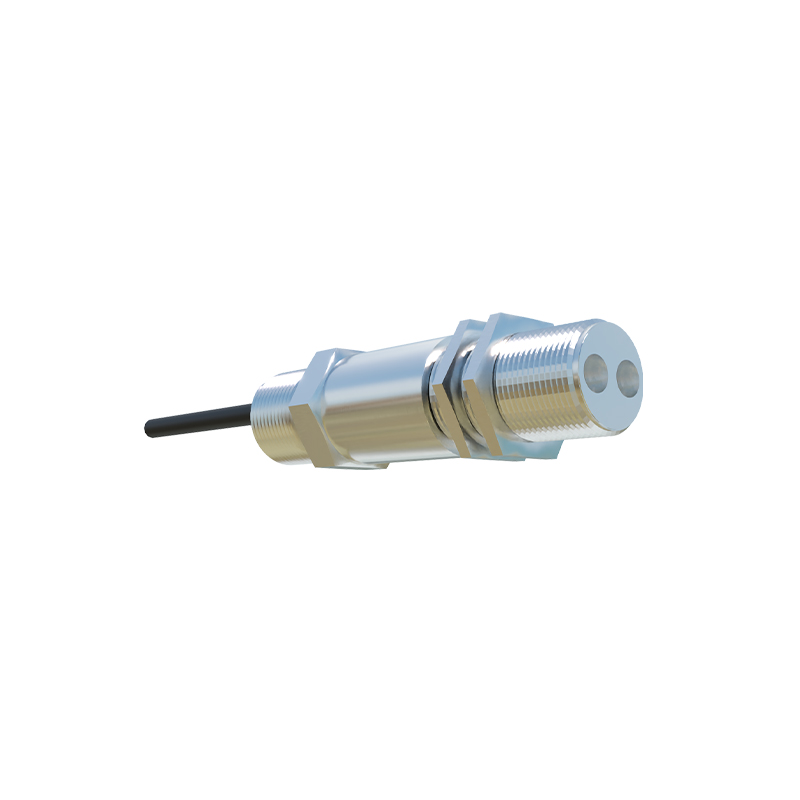
While "burning out" colloquially describes catastrophic failure, photoelectric sensors can fail due to several specific reasons. Electrical overstress is a leading cause. This includes voltage spikes or transients on the power supply lines, often from inductive loads like motors or solenoids switching on and off nearby. Even if the sensor's power supply is stable, connecting it to an incorrect voltage (e.g., applying 24V DC to a 12V DC sensor) will cause immediate and severe damage to its internal circuitry. Another major factor is excessive current draw, potentially from a short circuit in the connected load or wiring. Environmental conditions pose significant threats. Continuous exposure to temperatures beyond the sensor's specified operating range can degrade components. Dust, dirt, or condensation obscuring the lens can cause the sensor to overwork its emitter, potentially leading to premature LED failure. While less common, direct physical damage to the housing or lens can also compromise internal components.
The Vulnerability of the Light Source
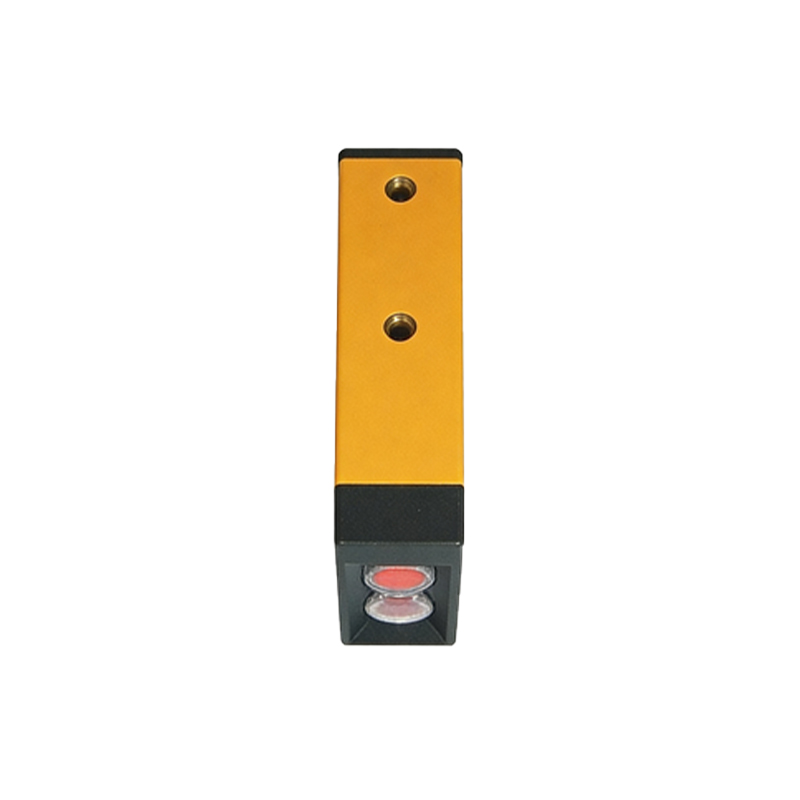
The light-emitting component, usually an LED, has a finite operational lifespan. Although modern LEDs are designed for tens of thousands of hours, they can degrade faster under harsh conditions. Constant operation at the absolute maximum forward current rating generates excess heat, which, if not dissipated properly, accelerates the decline in light output—a phenomenon known as lumen depreciation. In diffuse sensors, where the emitter operates at high power to detect weak reflected signals, this thermal stress is more pronounced. A sudden high-voltage spike can instantly destroy the semiconductor junction of the LED. Laser diodes, used in precision sensors, are even more sensitive to electrical noise and static discharge. Therefore, while the light source doesn't "burn out" like an incandescent bulb filament, it can fail catastrophically due to electrical abuse or degrade to a point of functional failure.
Internal Circuitry and Component Stress
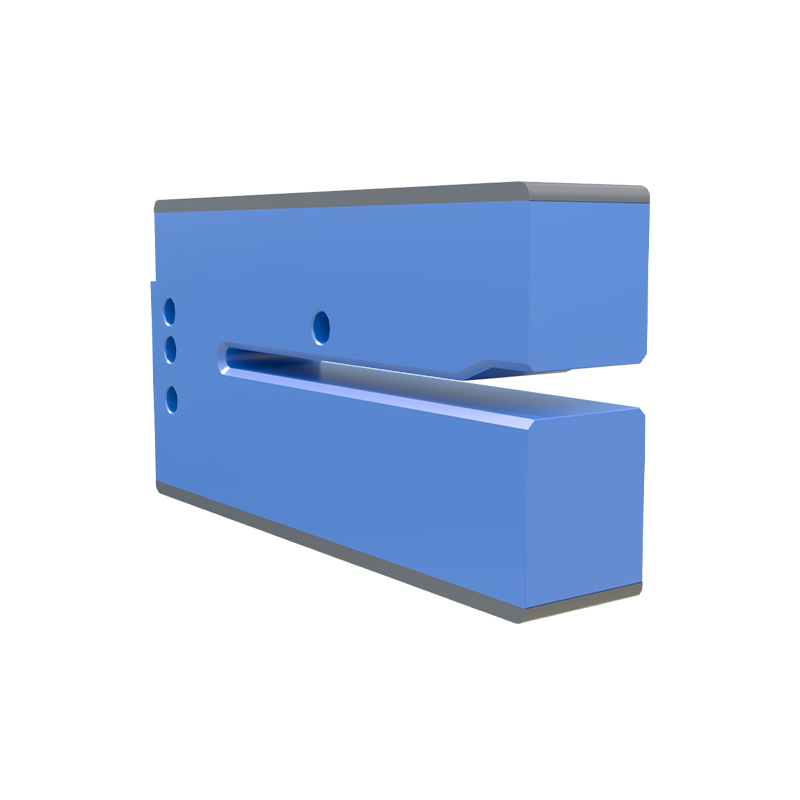
Beyond the light source, the sensor's internal electronics are complex. The receiver circuit, amplification stages, and output switching components (like transistors or solid-state relays) are all points of potential failure. The output stage, which interfaces with PLCs or other controllers, is particularly vulnerable. Connecting an inductive load (e.g., a relay coil) directly to the sensor's output without a protective flyback diode can induce voltage spikes when the load is de-energized, potentially destroying the output transistor. Poor quality or unstable power supplies can introduce noise that disrupts sensitive analog receiving circuits or causes latch-up in digital chips. Manufacturing defects, though rare, can also lead to premature component failure under normal operating conditions.
Key Prevention and Protection Strategies
Preventing sensor burnout is centered on proper installation, electrical protection, and environmental management. First, always use a stable, regulated power supply that matches the sensor's voltage and current specifications. Implement protective devices such as surge suppressors or transient voltage suppression (TVS) diodes on the power input lines to absorb spikes. For sensors driving inductive loads, always use suppression circuits (like diodes or RC networks) across the load. Ensure correct wiring by following the manufacturer's datasheet meticulously, paying close attention to polarity and load limits. Environmentally, select a sensor with an appropriate Ingress Protection (IP) rating for the application to guard against dust and moisture. Use protective shrouds or air blowers to keep lenses clean in dirty environments. Ensure adequate spacing for heat dissipation and avoid installing sensors in ambient temperatures exceeding their ratings. Regular maintenance, including lens cleaning and checking cable integrity, is crucial.
Signs of Impending Failure and Troubleshooting
Recognizing early signs can prevent unexpected downtime. Symptoms include inconsistent or erratic detection, reduced sensing range, a dim or invisible output light (on models with a visible beam), or a complete lack of response. The sensor might trigger without a target present or fail to trigger with one. If an output LED indicator is on but the signal is not reaching the controller, the output stage may be damaged. Basic troubleshooting involves checking the power supply voltage with a multimeter, inspecting for loose or corroded connections, and cleaning the lens. Swapping the sensor with a known-good unit is a quick diagnostic step. Consulting the sensor's manual for specific diagnostic indicators (like stability LEDs) is highly recommended.
Conclusion and Best Practices
In summary, photoelectric sensors can and do fail, often due to electrical overstress, environmental factors, or improper application rather than simple wear-and-tear. The concept of "burning out" is a valid concern for their electronic components. However, such failures are largely preventable through diligent engineering practices. The cornerstone of reliability is selecting the right sensor for the job—considering not just the sensing function but also the electrical and environmental specifications. Adhering to installation guidelines, implementing protective circuitry, and performing routine maintenance will maximize operational lifespan and ensure the continuous, reliable performance expected in industrial automation systems. Investing in quality sensors and proper protection is ultimately more cost-effective than dealing with unplanned downtime and replacement.