Introduction to Magnetic Sensing Technology
Magnetic sensors are pivotal components in modern industrial and automotive systems, designed to detect the presence, strength, or direction of magnetic fields. These devices operate based on principles such as Hall effect, magnetoresistance, or inductive coupling, enabling precise proximity detection without physical contact. In proximity positions, magnetic sensors excel in applications ranging from position sensing in motors to safety switches in machinery. Their ability to function reliably in harsh environments—characterized by dust, moisture, or temperature extremes—makes them indispensable in sectors like manufacturing, robotics, and automotive engineering. This article delves into the operational mechanics of magnetic sensors at close ranges, highlighting key factors that influence performance and accuracy.
Principles of Operation in Proximity Scenarios
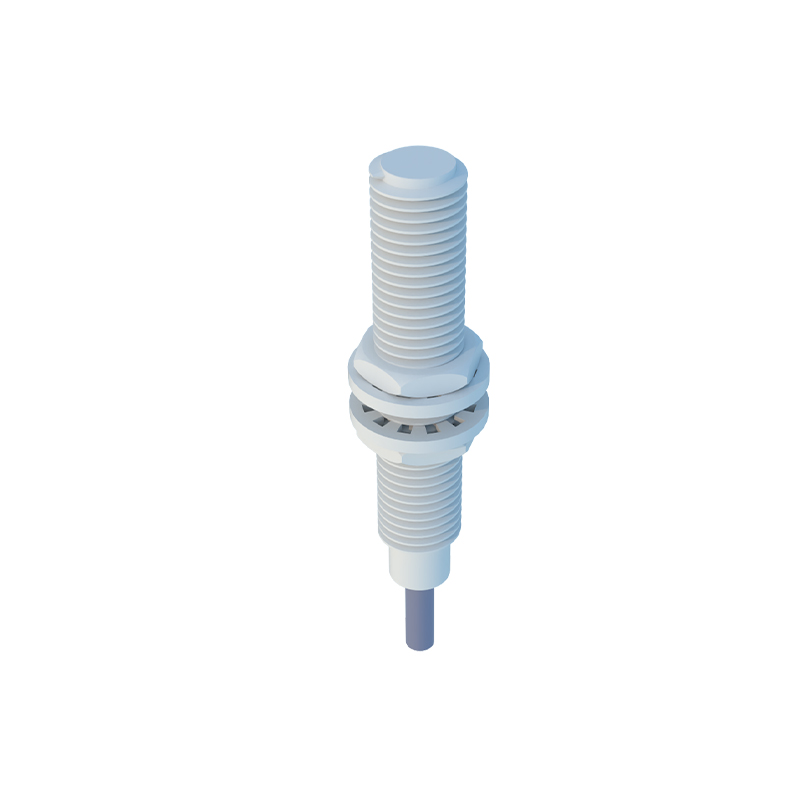
At proximity positions, magnetic sensors rely on the interaction between a target object (often a magnet or ferromagnetic material) and the sensor's internal magnetic field. For instance, Hall effect sensors generate a voltage proportional to the magnetic flux density when a magnetic field is applied perpendicular to the current flow. In proximity settings, this response allows for detecting the distance or position of a moving target, such as a gear tooth or actuator. Similarly, magnetoresistive sensors alter their electrical resistance based on magnetic field changes, providing high sensitivity for close-range measurements. The operational range typically spans from a few millimeters to several centimeters, depending on the sensor type and magnet strength, ensuring minimal hysteresis and fast response times in dynamic applications.
Key Design Considerations for Proximity Applications
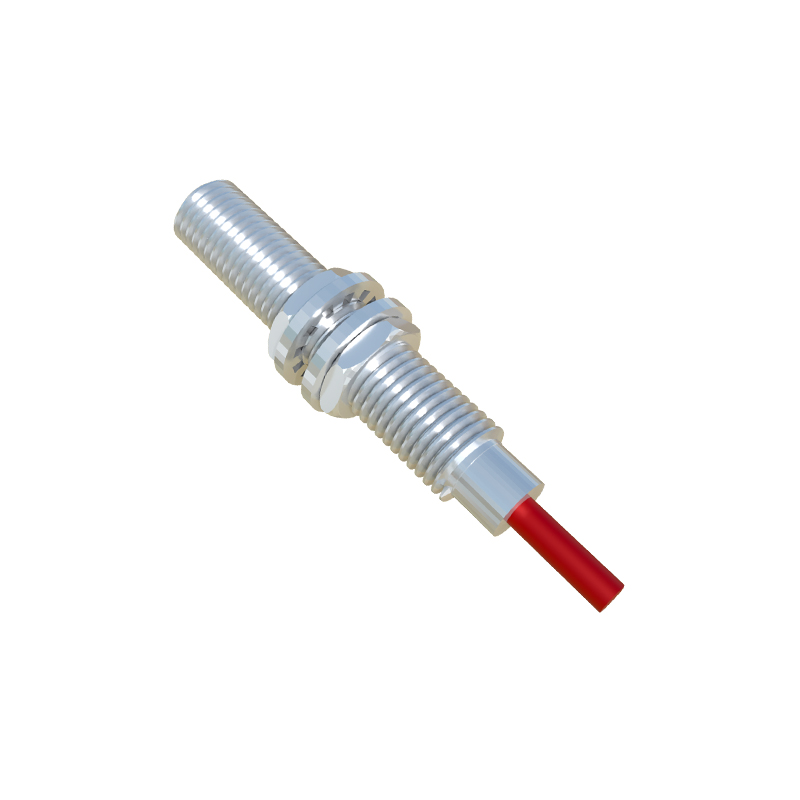
Designing magnetic sensors for proximity operation involves several critical factors. First, the selection of magnet material—such as neodymium or ferrite—affects the magnetic field strength and detection range. Engineers must calibrate the sensor's sensitivity to avoid false triggers from external magnetic interference. Additionally, the sensor's mounting position and orientation relative to the target are crucial; misalignment can lead to signal degradation or inaccuracies. Environmental conditions, like temperature fluctuations, may impact magnetic properties, necessitating compensation circuits or robust housing. For optimal performance, integrating shielding techniques and using differential sensing methods can enhance signal-to-noise ratios, ensuring reliable detection even in electrically noisy industrial settings.
Common Applications in Industrial Systems
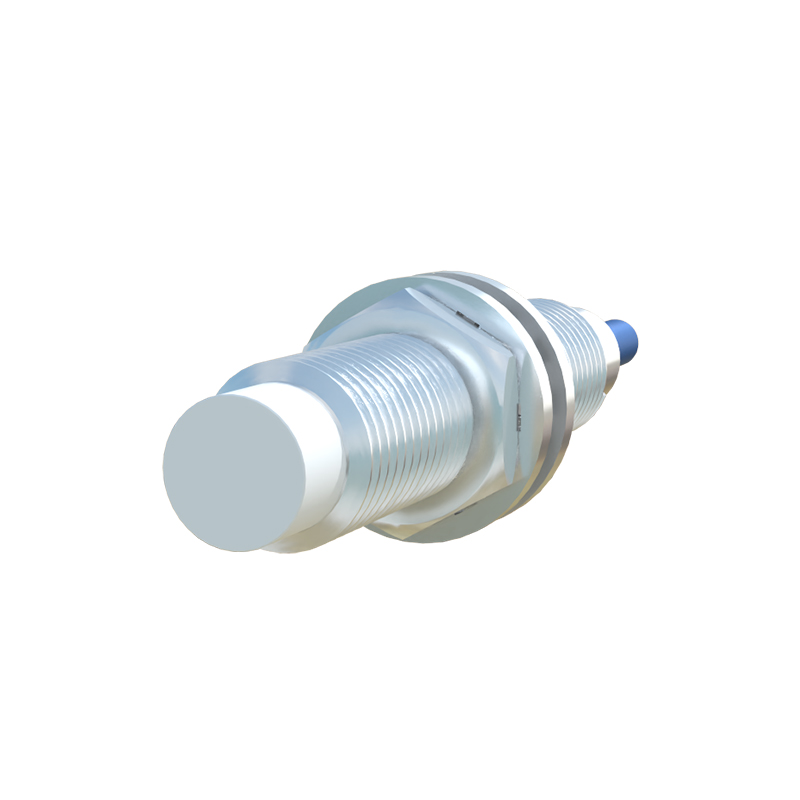
Magnetic sensors are widely deployed in proximity-based systems across various industries. In automotive engineering, they monitor crankshaft position, wheel speed, or brake pedal engagement, contributing to safety and efficiency. Industrial automation utilizes these sensors for limit switches in conveyor belts, robotic arm positioning, and valve control in fluid systems. Their non-contact nature reduces wear and maintenance, extending equipment lifespan. Moreover, in consumer electronics, magnetic sensors enable features like lid detection in laptops or proximity sensing in smartphones. Each application demands tailored configurations, such as adjusting the air gap or selecting unipolar versus bipolar sensing modes, to meet specific operational requirements.
Challenges and Solutions in Proximity Sensing
Despite their advantages, magnetic sensors face challenges in proximity operations. Magnetic saturation can occur at very close ranges, distorting signals and reducing linearity. To mitigate this, engineers employ linear Hall sensors or implement software algorithms for calibration. Interference from adjacent magnetic sources, like motors or power lines, may also cause erratic readings; solutions include using shielded cables or digital filtering techniques. Temperature drift is another concern, as it alters magnetic field characteristics—addressed through temperature-compensated ICs or periodic recalibration. By leveraging advanced materials and signal processing, modern magnetic sensors achieve high precision, with some models offering resolutions down to micrometer levels for critical proximity tasks.
Future Trends and Innovations
The evolution of magnetic sensor technology continues to enhance proximity sensing capabilities. Emerging trends include the integration of IoT connectivity, allowing sensors to transmit real-time data for predictive maintenance in smart factories. Miniaturization efforts are producing smaller, more energy-efficient sensors suitable for wearable devices or medical implants. Additionally, advancements in magnetoresistive materials, such as tunnel magnetoresistance (TMR), promise higher sensitivity and lower power consumption. Research into multi-axis sensing enables 3D position detection, expanding applications in virtual reality or autonomous vehicles. As industries demand greater accuracy and reliability, ongoing innovations will drive magnetic sensors toward more adaptive and intelligent proximity solutions.