Introduction to Circular Photoelectric Sensors
Circular photoelectric sensors are a fundamental and widely utilized category in industrial automation. Characterized by their cylindrical housing, these sensors operate on the principle of detecting changes in light intensity to sense the presence, absence, or position of an object. Their design is inherently robust, offering excellent resistance to environmental factors like dust, vibration, and moisture when properly sealed. The circular form factor allows for easy installation in standard mounting holes, making them a versatile choice for machine builders and system integrators. From conveyor lines to packaging machinery, their reliability and straightforward operation have cemented their role as a workhorse component in countless applications across manufacturing, material handling, and beyond.
Core Operating Principles
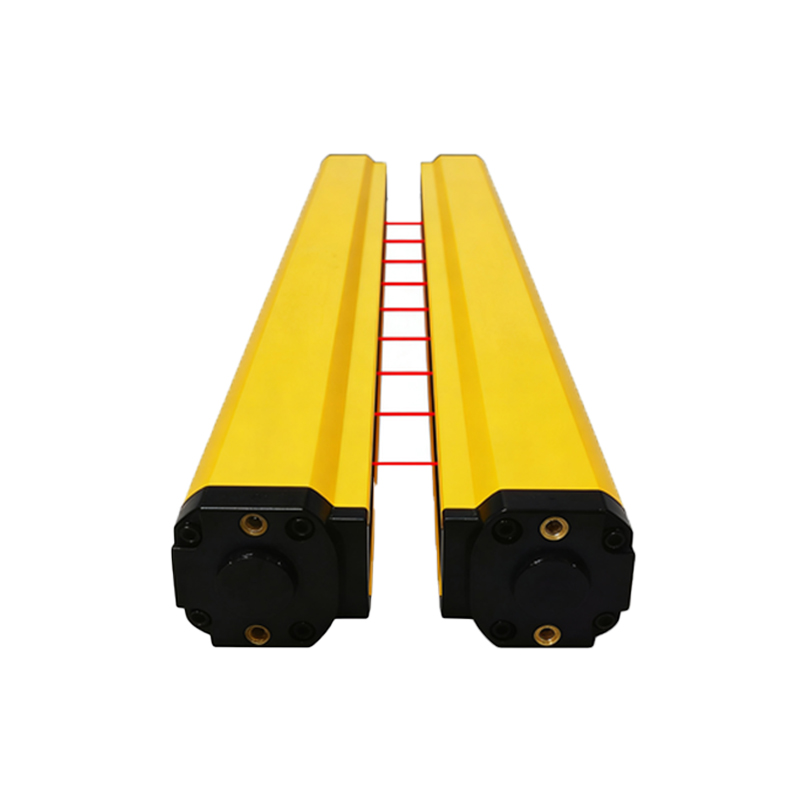
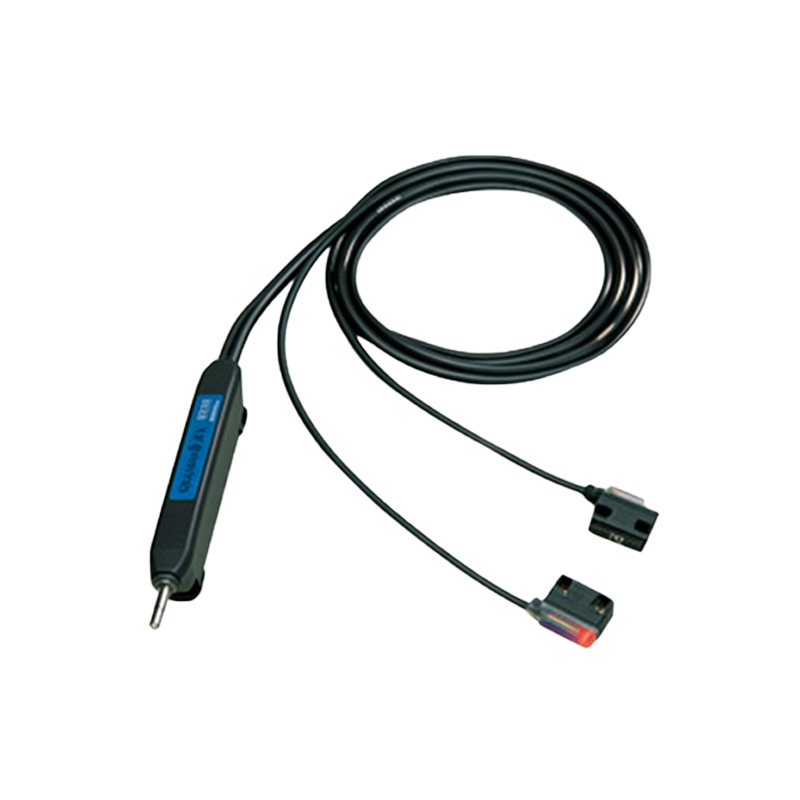
The functionality of a circular photoelectric sensor hinges on three primary modes: through-beam, retro-reflective, and diffuse reflective. In through-beam mode, the emitter and receiver are housed in separate units. An object is detected when it interrupts the light beam traveling from the emitter to the receiver. This mode offers the longest sensing range and highest reliability. Retro-reflective mode uses a single housing containing both emitter and receiver. The emitted light beam is reflected back by a dedicated reflector. Detection occurs when an object breaks this reflected beam. Diffuse reflective sensors, also with a combined emitter and receiver, detect objects based on the light reflected directly from the target's surface. Each mode has distinct advantages regarding sensing distance, target material, and environmental suitability, guiding the selection process.
Key Technical Specifications and Features
When selecting a circular photoelectric sensor, several critical specifications must be evaluated. Sensing range defines the maximum distance at which the sensor can reliably detect an target. Light source is another vital factor; modern sensors predominantly use visible red or infrared LEDs, with laser models available for precision applications. The output type, typically NPN or PNP transistor-based, must be compatible with the controller's input module (e.g., PLC). Response time indicates how quickly the sensor can react to a change in state, crucial for high-speed applications. Additionally, features like background suppression in diffuse sensors, which allows detection independent of color or reflectivity, and built-in timers or logic functions, add significant value for complex sensing tasks.
Common Industrial Applications
The application spectrum for circular photoelectric sensors is vast. In packaging machinery, they are indispensable for detecting product presence on conveyors, ensuring proper fill levels in bottles, and verifying label placement. Automotive assembly lines employ them for part verification, robot guidance, and door/window position sensing. In the electronics industry, they precisely detect tiny components on feeder tapes. Material handling systems use them for pallet detection, stack height control, and break-of-beam safety curtains. Their ability to detect virtually any material—metal, plastic, wood, glass, or liquid—makes them universally applicable where non-contact sensing is required.
Environmental Considerations and Protection Ratings
Industrial environments can be harsh. Circular sensors are often specified with Ingress Protection (IP) ratings, such as IP67, indicating complete protection against dust and protection against temporary immersion in water. This makes them suitable for washdown areas in food and beverage processing. Chemical resistance is also critical in certain industries; sensors with PTFE housings or specific coatings are available. Operating temperature range must be considered for applications in foundries or cold storage. Furthermore, sensors with robust housings can withstand significant shock and vibration, ensuring longevity in demanding settings like stamping presses or heavy machinery.
Installation and Alignment Best Practices
Proper installation is paramount for optimal sensor performance. For through-beam sensors, precise alignment of the emitter and receiver is necessary, often aided by alignment indicators or audible signals. Mounting brackets should be secure to prevent misalignment from vibration. When using retro-reflective sensors, the reflector must be clean and correctly angled. For diffuse sensors, the sensing distance can vary based on the target's color, size, and surface texture; therefore, testing with the actual target under real conditions is recommended. Ensuring a stable power supply and correct wiring according to the datasheet prevents electrical issues. Regular maintenance, including lens cleaning, prevents false triggers from accumulated dirt or debris.
Advantages Over Other Sensor Types
Circular photoelectric sensors offer distinct benefits compared to proximity sensors or mechanical limit switches. Their non-contact nature eliminates wear and tear, leading to a longer operational life. They can detect objects at a greater distance than inductive or capacitive proximity sensors. The fast response time enables high-speed counting and positioning tasks impossible for mechanical switches. The variety of sensing modes provides flexibility for different applications. While other technologies like ultrasonic or vision sensors exist for complex tasks, the simplicity, cost-effectiveness, and reliability of circular photoelectric sensors make them the preferred first choice for standard presence/absence detection.
Guidelines for Selection and Sourcing
Selecting the right sensor involves a systematic approach. First, define the application: object size, material, required sensing distance, and required response speed. Next, choose the appropriate operating mode (through-beam, retro-reflective, diffuse). Then, match the technical specifications: output type (NPN/PNP), supply voltage, and housing material. Always consider the environmental conditions (IP rating, temperature). Finally, factor in special needs like teach-in functionality for easy setup or IO-Link capability for smart sensor data and parameterization. Consulting manufacturer catalogs, online selection tools, or directly engaging with technical support from reputable suppliers ensures an optimal and reliable solution for your automation challenge.