Understanding the Target Audience and Application Needs
The first step in any successful promotion of proximity sensors is a deep dive into the specific needs of the target market. Industrial clients are not looking for a generic component; they seek reliable solutions to precise problems. Whether it's for object detection in high-speed packaging lines, precise positioning in robotic assembly, or liquid level sensing in harsh chemical environments, the promotion must speak directly to these applications. Marketing materials should move beyond basic specifications and instead showcase real-world case studies. Highlighting how a particular inductive, capacitive, or ultrasonic proximity sensor solved a chronic issue—like reducing downtime on an automotive welding line or improving accuracy in a pharmaceutical filling machine—builds immediate credibility. Understanding the pain points of plant managers, maintenance engineers, and system integrators is crucial. Their primary concerns often revolve around durability, ease of integration, long-term reliability, and total cost of ownership, not just the initial purchase price.
Developing Clear, Benefit-Oriented Technical Content
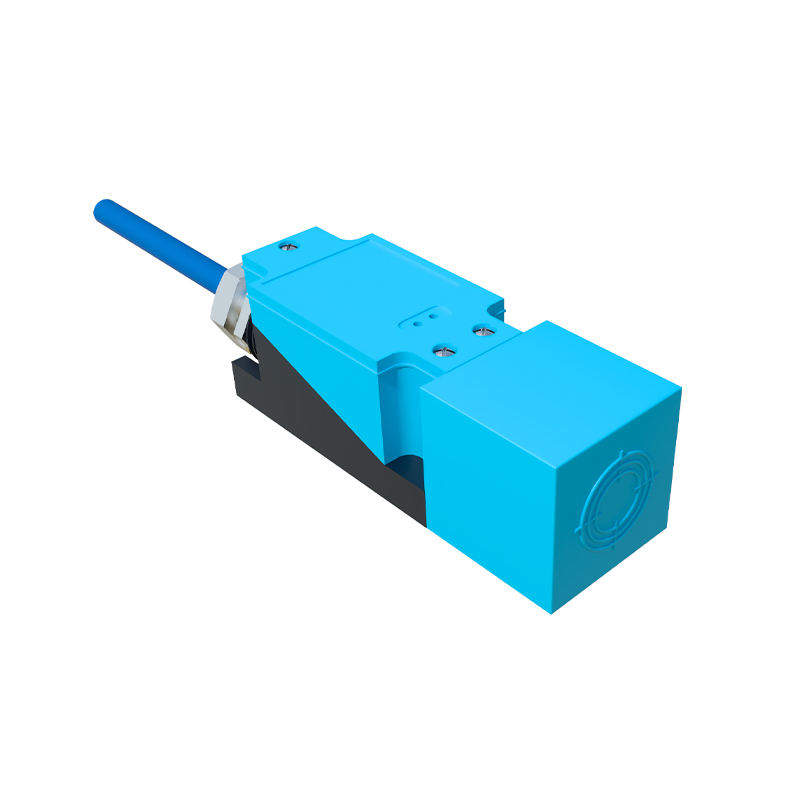
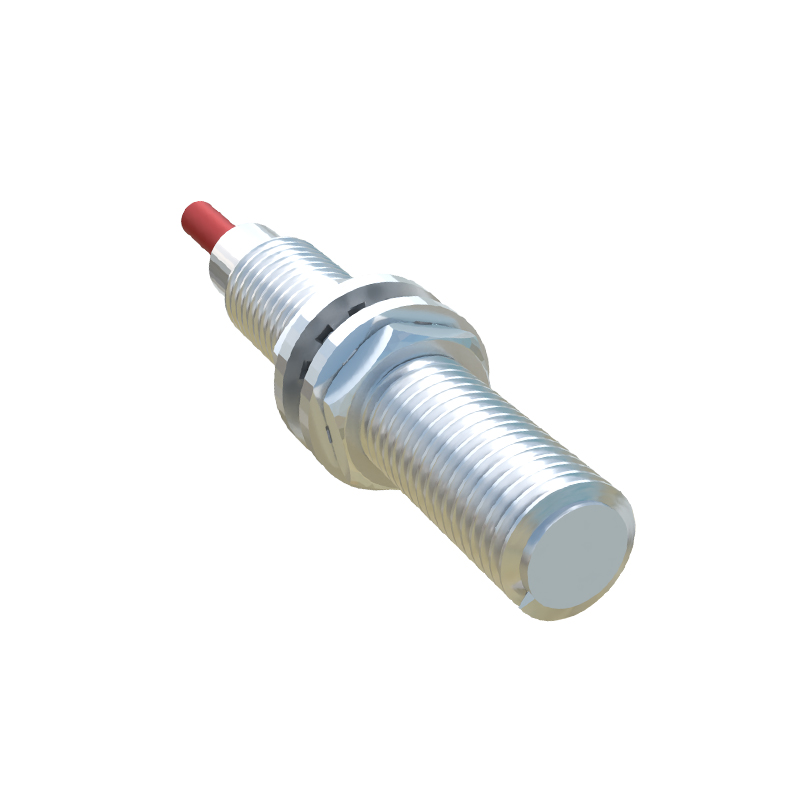
Technical data sheets are essential, but they are merely the foundation. To truly promote proximity sensors, content must translate raw specifications into tangible benefits. Instead of just stating "10-30V DC operating range," explain how this wide range simplifies power supply design and increases compatibility across different machine platforms. Create comparison guides that clearly illustrate the advantages of different sensing technologies. For instance, a guide could detail when to choose a capacitive sensor (for non-metallic materials like glass or plastic) over an inductive sensor (exclusively for metals). Produce detailed white papers and application notes that address common installation challenges, such as mitigating mutual interference between multiple sensors or achieving stable sensing in environments with heavy vibration or temperature swings. This content positions your brand not just as a supplier, but as a knowledgeable engineering partner.
Leveraging Digital Platforms and Search Visibility
In today's market, a robust digital presence is non-negotiable. A well-optimized website should serve as the central hub, featuring an easily navigable product selector tool that helps engineers quickly find the right sensor based on their requirements (sensing distance, target material, output type, housing style). Implement a strong SEO strategy focused on long-tail keywords that reflect specific user queries, such as "high temperature resistant proximity sensor for foundries" or "flush mount inductive sensor for narrow spaces." Regularly publishing high-quality blog posts and articles that answer common technical questions will attract organic traffic and establish thought leadership. Utilize platforms like LinkedIn, industry-specific forums, and YouTube to share video demonstrations of sensor installations, troubleshooting tips, and new product launches, engaging directly with the engineering community.
Demonstrating Value Through Hands-On Engagement
For many engineers, seeing is believing. Providing ample opportunities for hands-on evaluation is a powerful promotional tool. Offering free evaluation samples or low-cost starter kits allows potential customers to test the sensor in their own environment, proving its performance firsthand. Participating in major trade shows and organizing regional technical seminars or webinars are equally critical. Live demonstrations that show a sensor reliably detecting a difficult target, or operating seamlessly in a simulated harsh environment, leave a lasting impression. These events also provide invaluable face-to-face feedback. Furthermore, building a network of knowledgeable and responsive distributors and technical sales representatives ensures that local support is always available, which is a key decision-making factor for industrial buyers.
Building Long-Term Trust with Support and Reliability
Promotion does not end with a sale; it extends into the entire product lifecycle. Emphasizing and delivering exceptional post-sales support is a ultimate differentiator. This includes comprehensive technical documentation, readily available CAD models for easy integration into machine designs, and a responsive technical support team. Promoting the sensor's reliability metrics—such as Mean Time Between Failures (MTBF) data and certifications like IP67, IP69K, or CE/UL listings—builds trust in its quality. Sharing long-term success stories and testimonials from satisfied customers in similar industries provides social proof. Ultimately, consistent performance, unwavering support, and a commitment to solving customer problems will turn a one-time buyer into a loyal advocate, creating the most effective and sustainable form of promotion.