A slot type photoelectric switch, often referred to as a through-beam sensor or fork sensor, is a fundamental component in modern industrial automation and safety systems. Its operation is elegantly simple yet highly reliable, making it a preferred choice for numerous detection and control tasks. The core of the device consists of two aligned components housed within a single U-shaped or forked structure: an infrared light emitter on one side and a phototransistor or photodiode receiver on the opposite side. The gap between them forms the "slot." When an object passes through this slot, it interrupts the light beam traveling from the emitter to the receiver. This interruption causes a change in the receiver's output state, which is then processed by the connected control system to trigger a specific action, such as stopping a conveyor, counting items, or initiating a machine cycle.
The primary advantage of the slot-type design over other photoelectric sensor configurations (like diffuse-reflective or retro-reflective types) is its inherent stability and precision. Since the emitter and receiver are fixed in a single, pre-aligned housing, issues with misalignment due to vibration or environmental factors are virtually eliminated. The focused beam provides a very well-defined sensing window. The switch typically detects any opaque object that enters the slot, regardless of the object's surface color, texture, or reflectivity. This makes it exceptionally reliable for detecting a wide variety of materials, from metallic parts and plastic components to printed circuit boards and even glass or translucent objects if calibrated correctly.
Key technical specifications define a slot sensor's performance. The slot width and depth determine the size of objects it can accommodate. The response time, often in the microsecond range, dictates how fast-moving an object it can detect reliably. Many models feature a modulated LED light source, which pulses at a specific high frequency. The receiver is tuned to this frequency, making the sensor highly immune to ambient light interference from factory lighting or sunlight. Output configurations vary, including DC models with NPN (sinking) or PNP (sourcing) transistor outputs, as well as analog or relay output versions for different control interfaces.
The applications for slot type photoelectric switches are vast and span across industries. In packaging and bottling lines, they are indispensable for precise label detection, cap presence verification, and product counting. Within automated assembly machinery, they ensure components are correctly positioned before a robotic arm performs an operation. In the printing industry, they detect paper edges for accurate registration and control. They are also crucial in security systems, acting as safety interlocks on doors or guards to ensure machinery only operates when protective covers are correctly closed. Furthermore, they are extensively used in vending machines for coin or product detection and in automated teller machines (ATMs) for bill counting and jam detection.
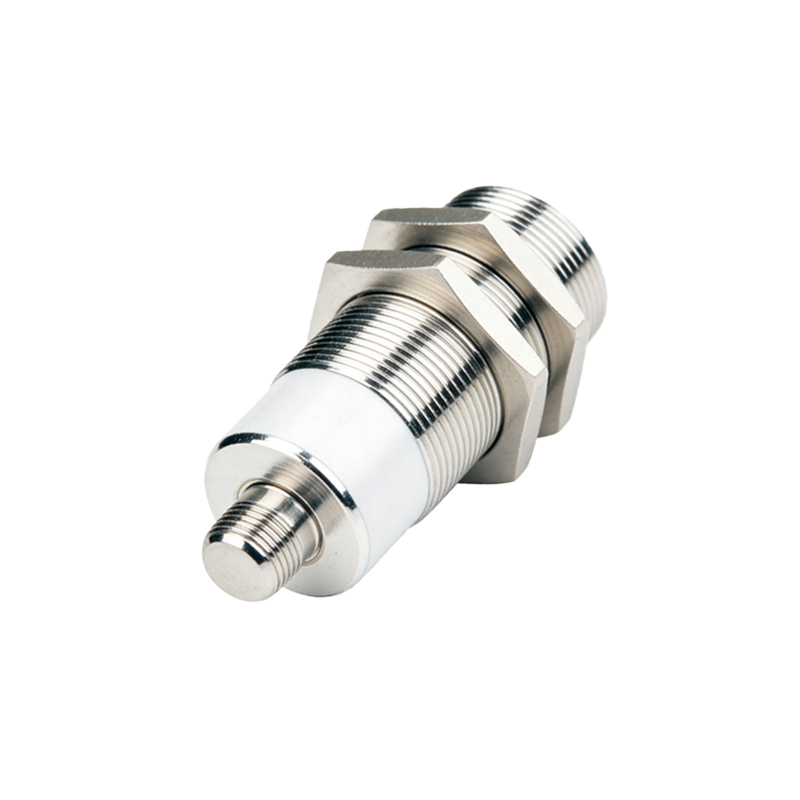
Selecting the right slot sensor requires careful consideration of the operating environment. For harsh conditions with dust, coolant, or oil mist, models with high IP (Ingress Protection) ratings, such as IP67, are essential to prevent internal contamination. The housing material, often made from reinforced plastic or metal, must withstand physical impact and chemical exposure. For applications involving very small objects or high-speed detection, sensors with a narrow slot and ultra-fast response are necessary. Many advanced models also offer built-in sensitivity adjustment potentiometers or teach-in functions for easy setup, allowing technicians to set the detection threshold precisely for the specific object.
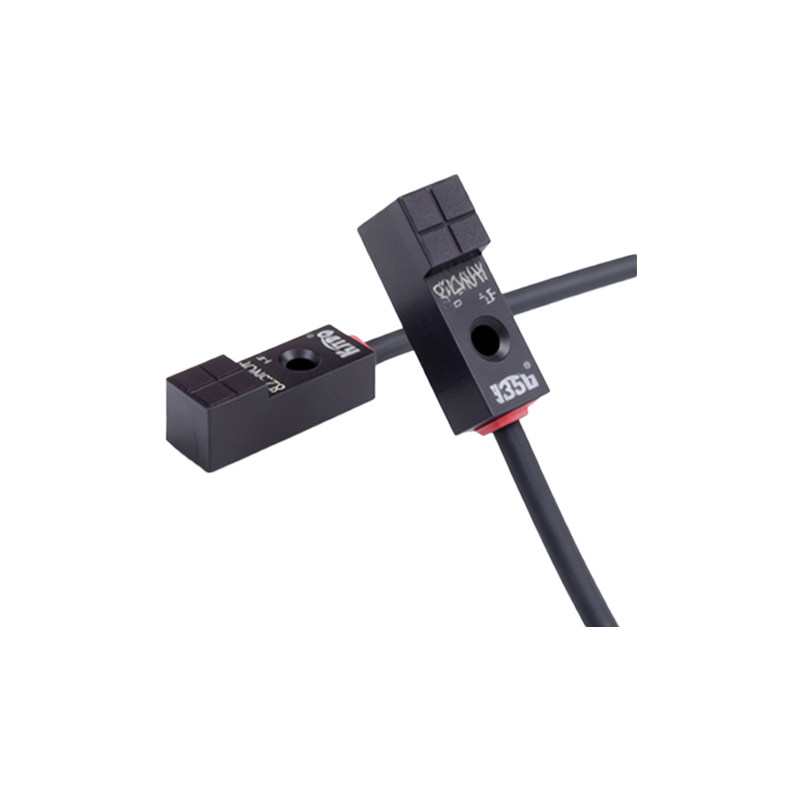
Installation and maintenance are generally straightforward. The sensor is mounted so that the target object passes cleanly through the slot without touching the inner walls. Regular cleaning of the lens windows is recommended to prevent the buildup of dust or grime that could attenuate the light beam and cause false triggers. Diagnostics are typically simple, with many units featuring a visible LED indicator that shows power status and output activation.
In summary, the slot type photoelectric switch is a robust, precise, and versatile workhorse of industrial sensing. Its simple through-beam principle, packaged in a convenient, self-contained alignment, delivers consistent performance where it matters most. From ensuring production quality and efficiency to guaranteeing operator safety, these sensors form an invisible yet critical network of detection points that keep automated processes running smoothly and intelligently. Their continued evolution, incorporating features like IO-Link for digital communication and diagnostics, ensures they will remain a cornerstone of automation technology for the foreseeable future.