Introduction to Inductive Proximity Sensors
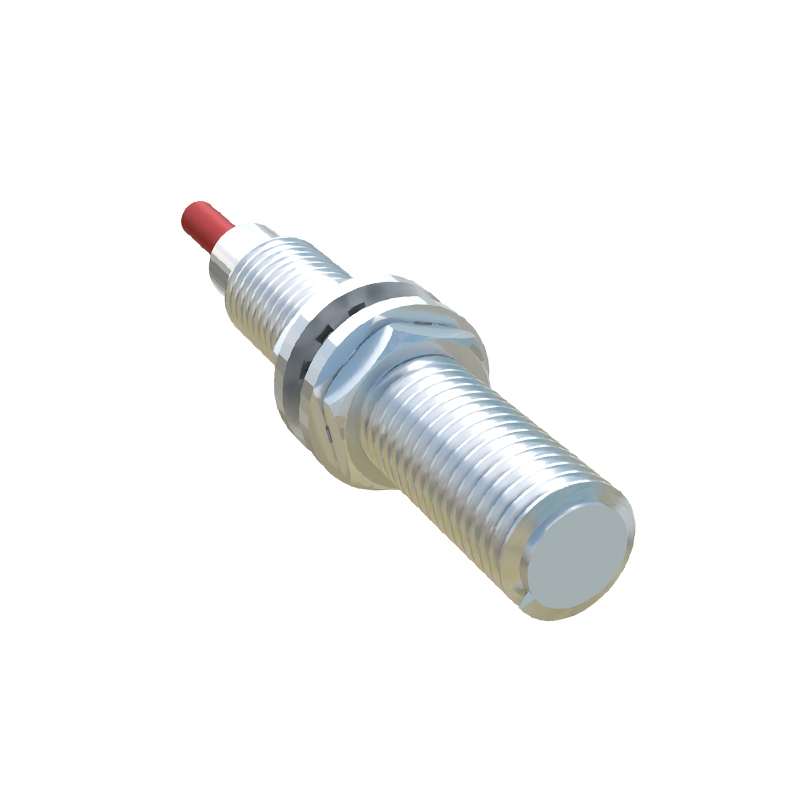
Inductive proximity sensors are fundamental components in industrial automation, designed to detect the presence of metallic objects without physical contact. Operating on the principle of electromagnetic induction, these sensors generate an oscillating electromagnetic field from a coil housed within their sensing face. When a conductive metal target enters this field, eddy currents are induced on the target's surface. This causes a measurable change in the oscillation amplitude within the sensor's internal circuit, triggering a solid-state output signal. This non-contact, wear-free detection method makes them exceptionally reliable for harsh industrial environments involving dust, oil, or vibrations. Their robustness and fast response times are critical for applications like position verification, counting, and end-of-travel detection in machinery.
The Unique Design of Ring-Type Sensors
A ring-type inductive proximity sensor, often called a "ring sensor" or "annular sensor," features a distinctive donut-shaped design with a central aperture. This hollow core allows objects, such as wires, fasteners, or components on a conveyor, to pass directly through the sensor's active detection zone. The electromagnetic field is concentrated within this ring-shaped sensing area. This configuration is ideal for applications requiring the detection of small metallic parts or verifying the presence of metal components on non-metallic carriers. The through-hole design enables in-line integration into production processes, allowing for continuous inspection without impeding the flow of materials, which is a significant advantage over standard barrel-shaped sensors.
Key Operating Principles and Characteristics
The core technology hinges on the interaction between the sensor's generated field and the target material. Ferrous metals (like iron and steel) and non-ferrous metals (like aluminum, copper, and brass) affect the oscillation differently, typically resulting in different sensing ranges. The rated operating distance, or sensing range, for ring sensors is defined from the internal surface of the ring to the target. Factors such as target size, shape, and material composition directly influence the effective sensing distance. A critical specification is the "repeat accuracy," which defines the sensor's consistency in detecting the same target under identical conditions. Furthermore, these sensors are characterized by a high switching frequency, enabling them to detect rapidly passing objects, which is essential for high-speed sorting or assembly lines.
Primary Industrial Applications
Ring-type inductive sensors are versatile tools across numerous sectors. In automotive manufacturing, they detect the presence of pistons, bolts, or nuts on assembly lines. In the fastener industry, they verify if screws or washers are present in packaging or feeding systems. The electronics industry utilizes them to sense metal leads on components or PCBs. A common and critical application is in cable and wire production, where they detect the metallic conductor inside insulation to confirm its presence before further processing. They are also integral to security systems for detecting metal objects and in recycling plants for sorting metallic from non-metallic materials on conveyor belts.
Critical Selection Criteria
Choosing the correct ring sensor requires careful analysis of several parameters. The internal diameter of the ring must accommodate the maximum size of the passing objects, including necessary clearance. The target material (ferrous or non-ferrous) dictates the required sensing distance, as non-ferrous metals typically have a reduced range. The sensor's output type—PNP (sourcing) or NPN (sinking)—must be compatible with the connected controller (PLC). Environmental conditions are paramount; sensors are available with varying Ingress Protection (IP) ratings to withstand coolants, oils, or washdowns. Other considerations include the housing material (often nickel-plated brass or stainless steel), electrical connection style (pre-wired cable or connector), and output status indication via an LED.
Installation and Alignment Best Practices
Proper installation is crucial for reliable operation. The sensor must be securely mounted so that the target objects pass consistently through the center of the aperture. Misalignment can cause fluctuations in the sensing field, leading to false triggers or missed detections. It is essential to maintain the recommended clearance around the sensor body from surrounding metal structures, known as the "non-flush mountable" requirement, to prevent interference with the electromagnetic field. Electrical wiring should follow manufacturer guidelines, ensuring correct polarity and the use of protective devices like surge suppressors in environments with inductive loads. Regular maintenance involves cleaning the sensing face from accumulated metallic debris or contaminants that could affect performance.
Advantages Over Alternative Technologies
Compared to other sensing methods like photoelectric or capacitive sensors, inductive ring sensors offer distinct benefits for metal detection. They are completely immune to environmental factors such as ambient light, dust, smoke, or transparent materials that often plague optical sensors. Their operation is unaffected by color or surface finish of the target. They provide exceptional durability with