Introduction to Proximity Sensors
Proximity sensors are a cornerstone of modern industrial automation and electrical engineering. These non-contact devices detect the presence or absence of an object within a specified range without any physical contact. Their operation hinges on various physical principles, primarily electromagnetic fields, light, or sound. The core function is to generate an electrical signal when a target object enters the sensor's detection field. This capability makes them indispensable in applications where reliability, speed, and durability are paramount, such as on assembly lines, in robotic systems, and for safety interlocks. Unlike mechanical limit switches, proximity sensors offer a longer operational life, higher switching rates, and immunity to environmental contaminants like dust and oil, solidifying their role in harsh industrial environments.
Core Operating Principles
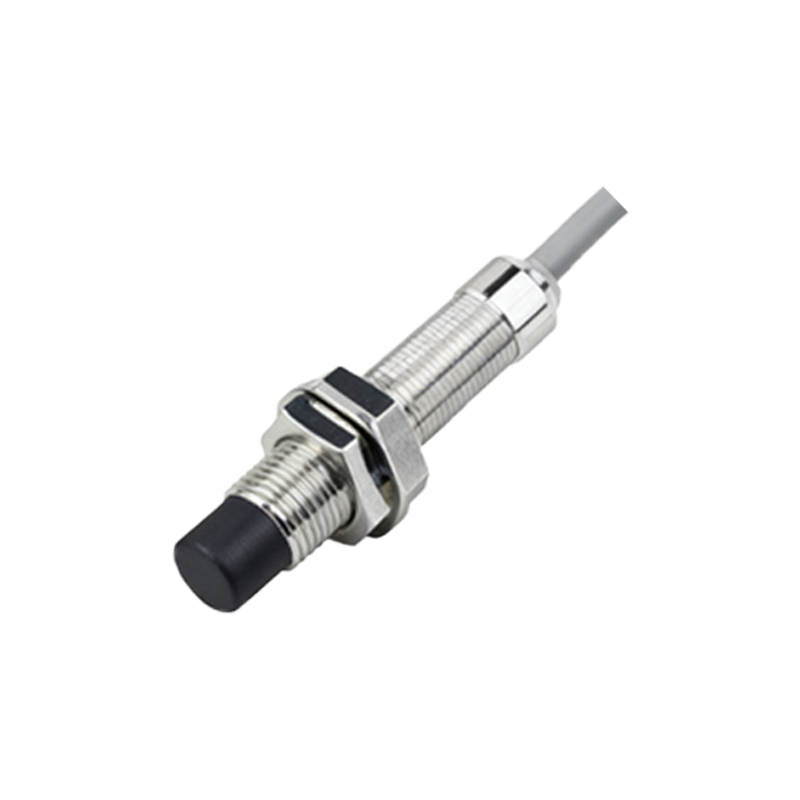
The mind map for proximity sensors branches out primarily from their underlying sensing technologies. The first major branch is Inductive Sensors. These sensors generate an oscillating electromagnetic field. When a metallic object enters this field, it induces eddy currents within the target, causing a change in the oscillation amplitude. This change is detected and triggers a solid-state output switch. They are exclusively used for detecting metals. The second primary branch is Capacitive Sensors. These can detect both metallic and non-metallic materials (plastics, wood, liquids, granules) by measuring changes in capacitance. The sensor forms one plate of a capacitor, with the target object acting as the other. As the object approaches, the capacitance increases, and once it reaches a threshold, the sensor activates. Photoelectric Sensors form another crucial branch, using a light emitter and receiver. They detect objects by measuring the interruption (through-beam), reflection (retro-reflective), or diffusion (diffuse) of a light beam, offering long detection ranges for various materials.
Key Specifications and Selection Criteria
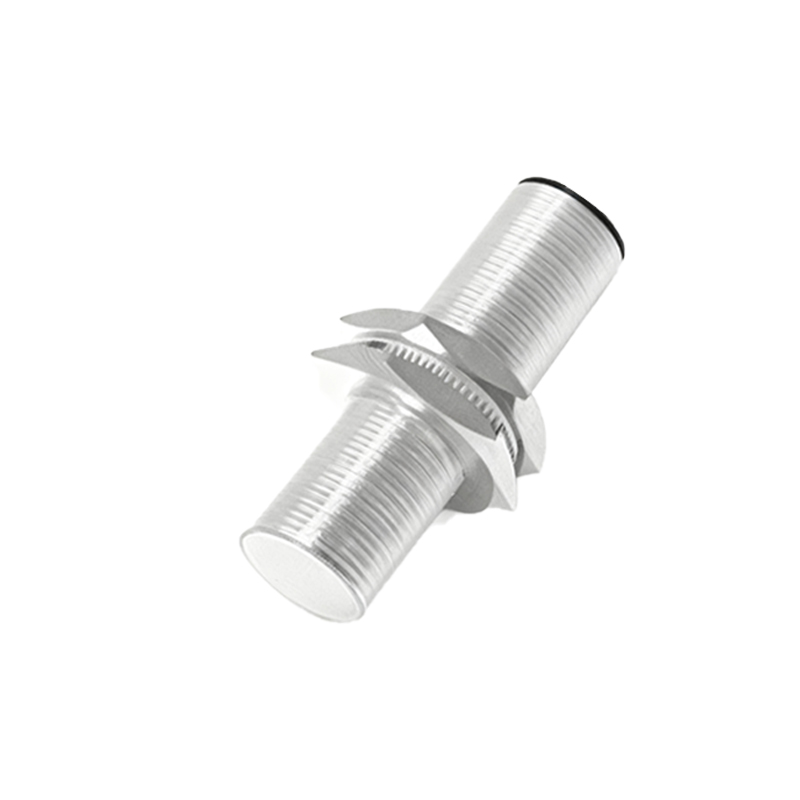
Selecting the right proximity sensor requires navigating a detailed branch of specifications. Sensing Range, often called nominal range (Sn), is the fundamental parameter, defining the standard distance at which a standard target can be reliably detected. It is critical to consider the reduction factor for non-standard metals in inductive sensors. Another vital branch is Output Type, splitting into discrete (digital) outputs like NPN (sinking), PNP (sourcing), or NO/NC contacts, and analog outputs (4-20mA, 0-10V) that provide continuous distance information. Environmental ratings, particularly the Ingress Protection (IP) code (e.g., IP67), form a critical limb for ensuring reliability against dust and water ingress. Additional branches include Switching Frequency (response speed), Housing Material (e.g., stainless steel for washdown areas), and Connection Method (pre-wired, quick-disconnect).
Wiring and Electrical Integration
A practical branch of the mind map delves into electrical integration. Understanding the wiring configuration is essential for proper interface with Programmable Logic Controllers (PLCs) or other control systems. For 3-wire DC sensors, the branch splits into two main types: PNP (sourcing) and NPN (sinking). A PNP sensor switches the positive voltage to the load; its output wire is positive when active. An NPN sensor switches the negative or ground side to the load; its output wire provides a path to ground when active. Mismatching PNP and NPN with the controller input can lead to malfunction. The wiring diagram branch must also include considerations for load compatibility, short-circuit and overload protection, and shielding for cables in electrically noisy environments to prevent false triggering.
Application-Specific Considerations
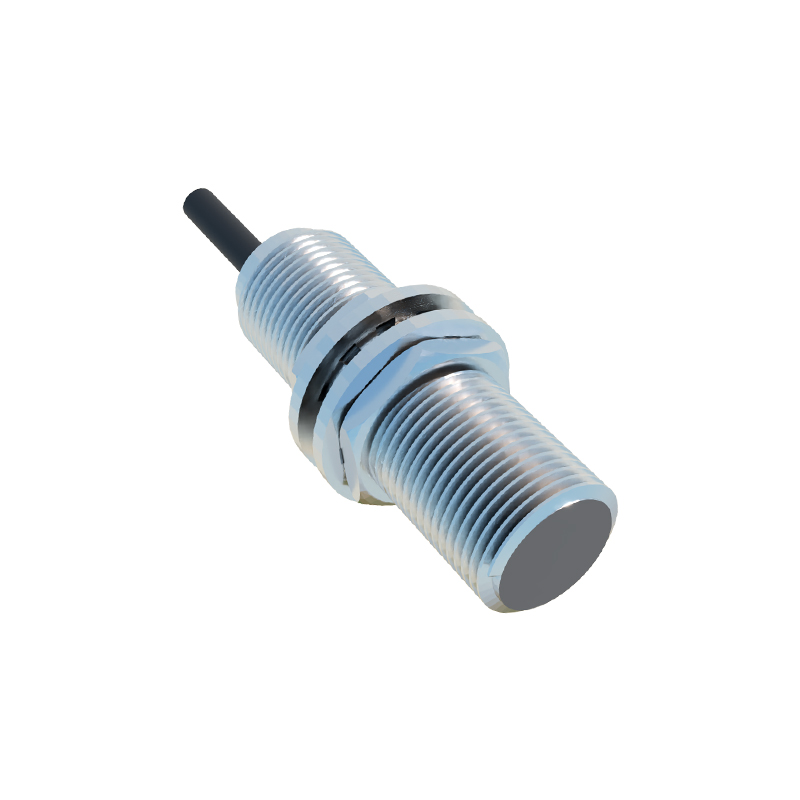
The application branches demonstrate the sensor's versatility. In Position Detection, sensors verify if a part is present, a robot arm is home, or a door is closed. In Counting and Sorting, they tally objects on a conveyor or detect different material types (using capacitive sensors for non-metallics). Speed Monitoring is another branch, where sensors measure the rotation speed of gears or shafts by detecting passing teeth. In Level Detection, capacitive sensors monitor fill levels of liquids or bulk materials in tanks. A critical safety branch involves using them as non-contact interlock devices on machine guards, ensuring the machine cannot operate when a safety door is open. Each application branch connects back to the core selection criteria, emphasizing factors like required sensing distance, target material, and required response time.
Troubleshooting and Maintenance
Even robust sensors require a systematic troubleshooting branch. Common issues include False Triggering, often caused by electrical noise, nearby metal objects (for inductive types), or sensor misalignment (for photoelectric types). The branch for No Output includes checking power supply voltage, verifying the target is within range and of correct material, inspecting for physical damage or accumulated debris on the sensing face,