Introduction to Through-Beam Photoelectric Sensors
Through-beam photoelectric sensors, often referred to as opposed-mode sensors, are a fundamental component in industrial automation for precise switch detection. These devices consist of two separate units: a transmitter and a receiver. The transmitter emits a continuous beam of light, typically infrared or laser, which is directed towards the receiver unit positioned directly opposite. When an object passes between the two units, it interrupts the light beam, causing the receiver to detect a change in light intensity. This interruption triggers a switch signal, indicating the presence or passage of an object. The key advantage of this configuration is its high reliability and long sensing range, often exceeding several meters, making it ideal for applications requiring detection across wide conveyors or large machinery.
Operating Principle and Signal Output
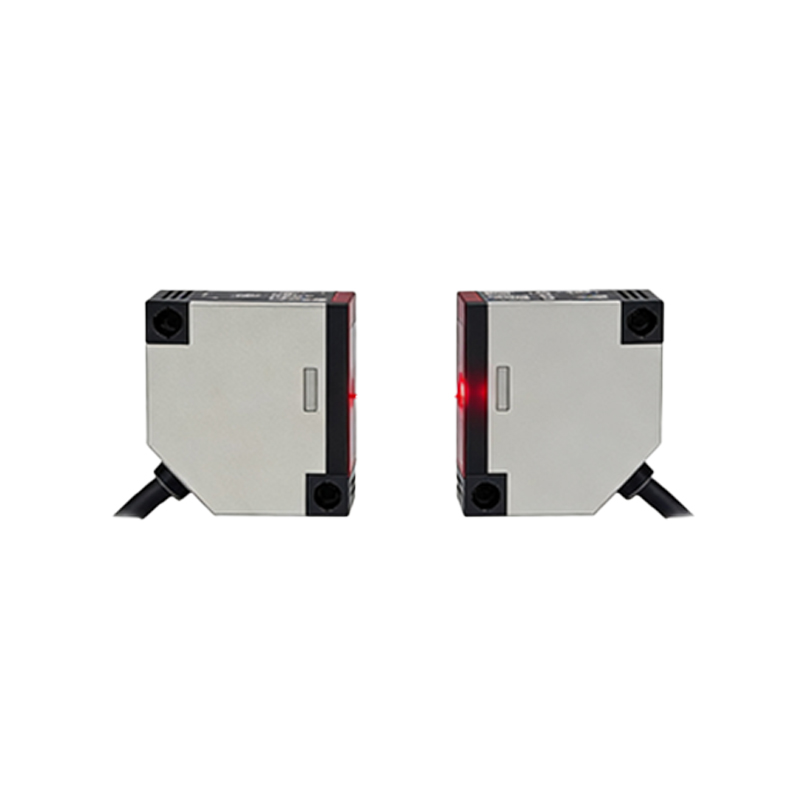
The core operating principle relies on the modulation of light. The transmitter's light source is modulated at a specific frequency to minimize interference from ambient light, such as factory lighting or sunlight. The receiver is tuned to this same frequency, ensuring it only responds to the intended light signal. Upon beam interruption, the receiver's output transitions from one state to another—commonly from a high signal to a low signal or vice versa—generating a clean, digital switch signal. This output is typically in the form of a transistor switch (NPN or PNP) or a relay contact, providing a straightforward interface with programmable logic controllers (PLCs), counters, or safety circuits. The switch response time is extremely fast, often in microseconds, enabling detection of high-speed objects on production lines.
Key Advantages in Industrial Applications
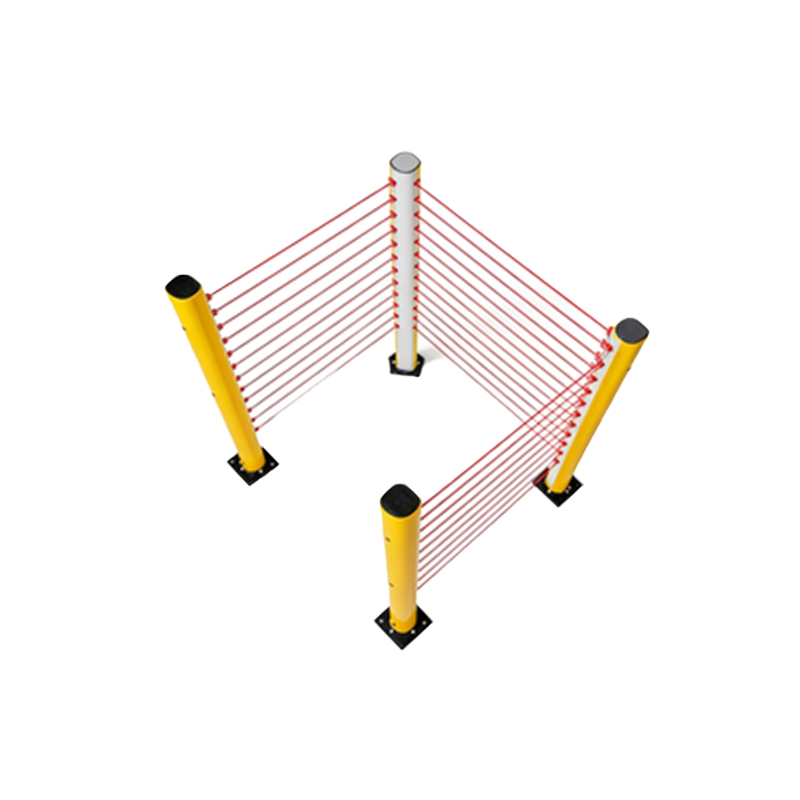
Through-beam sensors offer several distinct benefits that make them a preferred choice for switch detection. First, their high excess gain allows them to operate effectively even in dusty, dirty, or foggy environments where other sensor types might fail. The physical separation of emitter and receiver also means that only the object interrupting the beam is detected, minimizing false triggers from reflective backgrounds or shiny objects—a common issue with reflective sensors. Additionally, these sensors provide consistent detection regardless of the object's color, surface texture, or material, as long as the object is opaque enough to block the light beam. This makes them versatile for detecting diverse products, from cardboard boxes to metal parts.
Installation and Alignment Considerations
Proper installation is critical for optimal performance. The transmitter and receiver must be precisely aligned to ensure the light beam hits the receiver's detection area directly. Misalignment can lead to reduced sensing reliability or complete failure. Many modern sensors feature alignment indicators, such as LED lights that change color or brightness when optimal alignment is achieved. For long-range applications, using a laser light source can simplify alignment due to its visible beam. Mounting stability is also paramount; vibrations or thermal expansion in machinery can shift units over time, necessitating robust brackets and periodic verification checks. Environmental factors like temperature extremes or strong ambient light should be considered during placement.
Common Applications and Use Cases
These sensors are extensively used across various industries for switch detection tasks. In packaging lines, they detect the presence of boxes on conveyors to control sorting gates or initiate sealing processes. In automotive assembly, they count parts or verify component placement. They are also crucial in safety systems, such as light curtains, where beam interruption triggers machine stoppage to protect operators. Another common application is in material handling for detecting oversized objects or monitoring bin levels. Their ability to function over long distances makes them suitable for large-scale operations, like monitoring vehicle entry in parking garages or detecting products on wide-belt sorters in logistics centers.
Maintenance and Troubleshooting Tips
Regular maintenance ensures long-term reliability. Lenses should be kept clean from dust, oil, or debris that could attenuate the light beam. A soft cloth is recommended for cleaning to avoid scratches. Periodically verify alignment, especially after maintenance on surrounding equipment. If a sensor fails to detect, first check the alignment using the indicator LEDs. Ensure the power supply voltage is within specifications and that output wiring is secure. In environments with significant vibration, inspect mounting hardware for looseness. For intermittent faults, monitoring the sensor's output with a multimeter or oscilloscope can help identify signal drops. Replacing aging units proactively, as light sources degrade over years of continuous operation, can prevent unexpected downtime.
Comparison with Other Photoelectric Modes
While through-beam sensors excel in many areas, understanding their position relative to other photoelectric modes is valuable. Retro-reflective sensors use a single unit and a reflector, offering easier installation but are susceptible to false triggers from reflective objects. Diffuse (proximity) sensors detect objects by reflecting light directly off the target, suitable for short ranges but sensitive to color and surface properties. Through-beam sensors generally provide the longest range and highest reliability for detection but require two separate units and careful alignment. The choice depends on specific application needs: through-beam is optimal for demanding environments where accuracy and range are paramount, despite the higher initial setup effort.
Future Trends and Technological Developments
Advancements continue to enhance through-beam sensor capabilities. Integration of IO-Link communication allows for digital parameter setting, remote monitoring, and diagnostic data access, facilitating predictive maintenance. Miniaturization of components enables smaller sensor designs for space-constrained applications. Improved light sources, such as energy-efficient LEDs with longer lifespans, reduce operational costs. Some sensors now incorporate background suppression algorithms to ignore distant objects beyond a set range, adding precision. As Industry 4.0 evolves, expect smarter sensors with embedded intelligence that can communicate directly with network systems, providing real-time analytics on production flow and detection events, further optimizing automated switch detection processes.