Introduction to Proximity Switch Sensors
Proximity switch sensors are essential components in industrial automation, detecting the presence or absence of objects without physical contact. These sensors operate based on electromagnetic, capacitive, or inductive principles, making them ideal for harsh environments where durability is critical. Proper welding during installation ensures reliable performance, preventing failures due to vibration, moisture, or temperature fluctuations. Understanding the welding process is key to maintaining sensor integrity and longevity in applications like manufacturing, robotics, and machinery control.
Welding Fundamentals for Sensor Integration
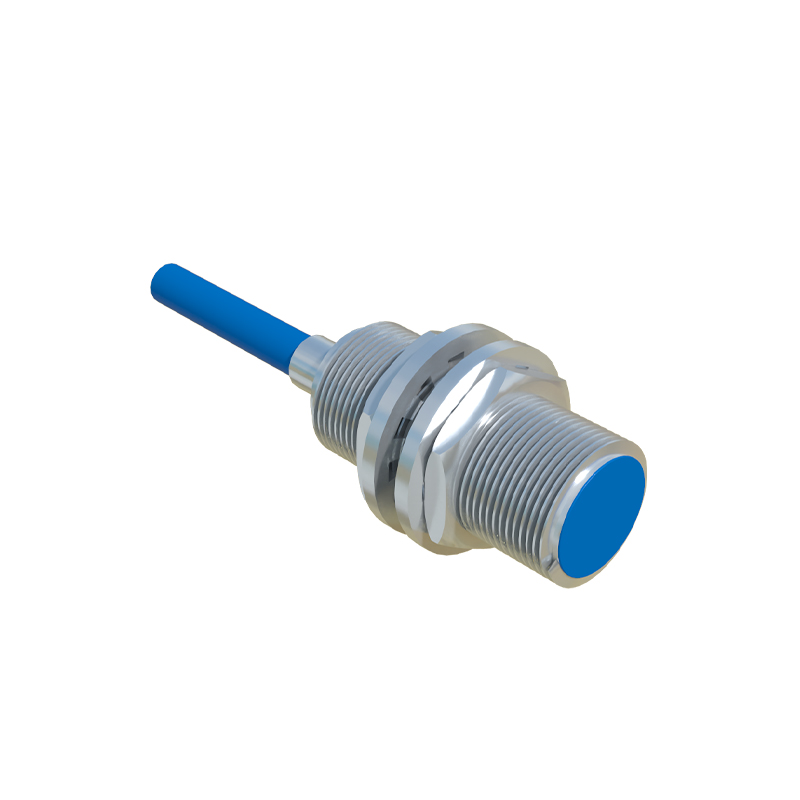
Welding proximity switch sensors involves joining metal components to create secure electrical and mechanical connections. Common methods include resistance welding, laser welding, and soldering, each suited to specific sensor types and materials. Resistance welding uses electric current to generate heat at the joint, forming a bond without filler materials. Laser welding offers precision for delicate parts, minimizing thermal distortion. Soldering, with low-temperature alloys, is used for electronic circuits. The goal is to achieve strong, conductive joints that withstand operational stresses while preserving the sensor's sensing capabilities.
Key Principles in Sensor Welding
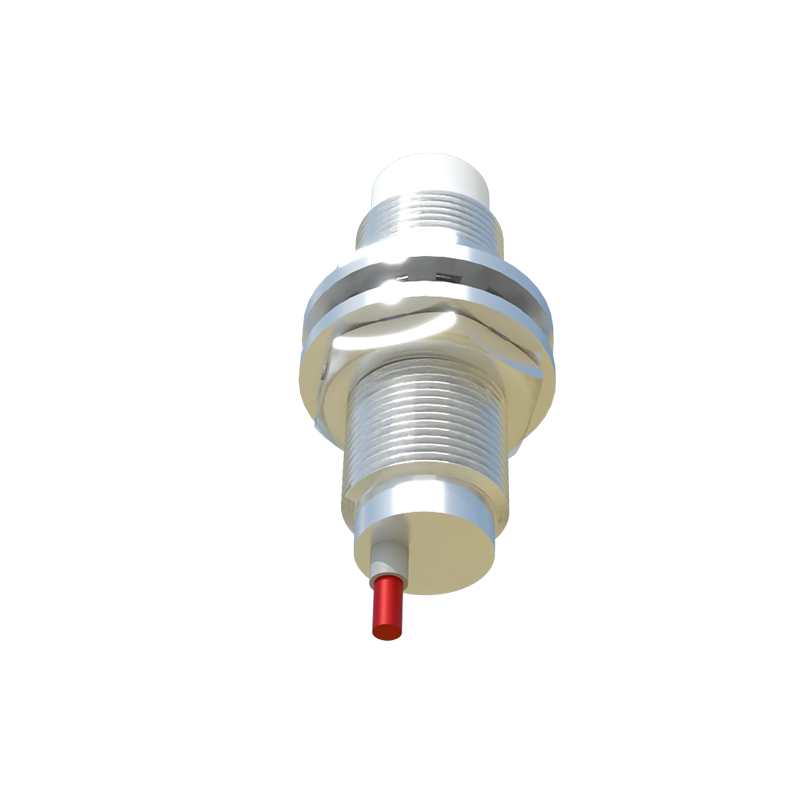
Several principles guide effective welding of proximity switches. First, thermal management is crucial to avoid damaging internal electronics; excessive heat can degrade sensitive components. Second, material compatibility must be considered—for instance, stainless steel housings require specific welding techniques to prevent corrosion. Third, electrical continuity must be maintained to ensure signal transmission. Fourth, mechanical strength is vital for vibration resistance. Finally, process consistency ensures repeatability in mass production. Adhering to these principles reduces defects and enhances sensor reliability in demanding industrial settings.
Welding Techniques and Best Practices
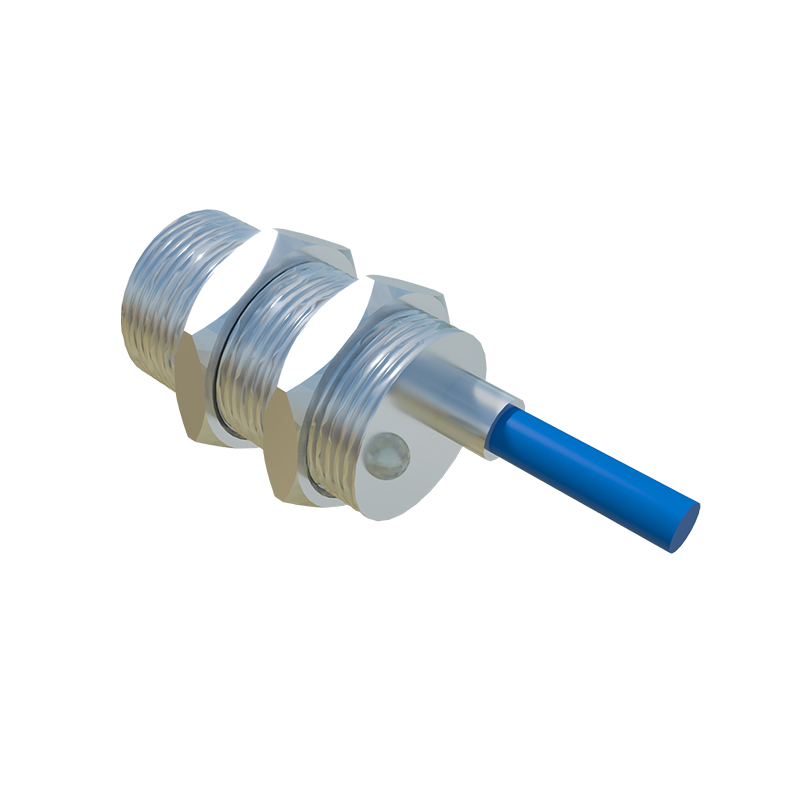
To optimize welding outcomes, follow industry best practices. For resistance welding, control parameters like current, time, and pressure to create uniform joints. In laser welding, use focused beams with precise alignment to avoid overheating. Soldering should involve flux application and temperature regulation to prevent cold joints. Pre-weld cleaning removes contaminants that could weaken bonds. Post-weld inspection, including visual checks and electrical testing, verifies integrity. Additionally, consider environmental factors—welding in controlled atmospheres can prevent oxidation. Training operators on these techniques minimizes errors and ensures high-quality installations.
Common Challenges and Solutions
Welding proximity sensors presents challenges such as heat-affected zone (HAZ) formation, which can alter material properties. To mitigate this, use pulsed welding methods or heat sinks. Another issue is joint brittleness, often caused by improper cooling; solution include annealing or selecting ductile filler materials. Electrical interference from welding equipment may temporarily affect sensor calibration, so shield sensitive parts during the process. For miniaturized sensors, precision tools are needed to avoid misalignment. Regular maintenance of welding equipment and adherence to manufacturer guidelines help address these problems, ensuring durable connections.
Applications and Industry Standards
Proximity switch sensors are welded into systems across automotive, aerospace, and packaging industries. In automotive assembly, welded sensors monitor position and speed in engines. Aerospace applications demand high-reliability welds to endure extreme conditions. Standards like ISO 14555 for welding and IEC 60947-5-2 for sensor performance provide benchmarks for quality. Compliance with these standards ensures safety and interoperability. As industries adopt Industry 4.0, smart sensors with integrated welding diagnostics are emerging, enabling real-time monitoring and predictive maintenance for enhanced efficiency.
Future Trends in Sensor Welding Technology
Advancements in welding technology are shaping the future of proximity sensors. Automated robotic welding systems increase precision and reduce human error. Additive manufacturing, or 3D printing, allows for custom sensor housings with integrated weld points. Nanotechnology may enable low-temperature welding processes for ultra-sensitive components. Additionally, eco-friendly methods, such as lead-free soldering, align with sustainability goals. Research into materials science is developing alloys that enhance weld strength and conductivity. These innovations promise to improve sensor durability and adaptability in evolving industrial landscapes.