Introduction to Slot Type Photoelectric Sensors
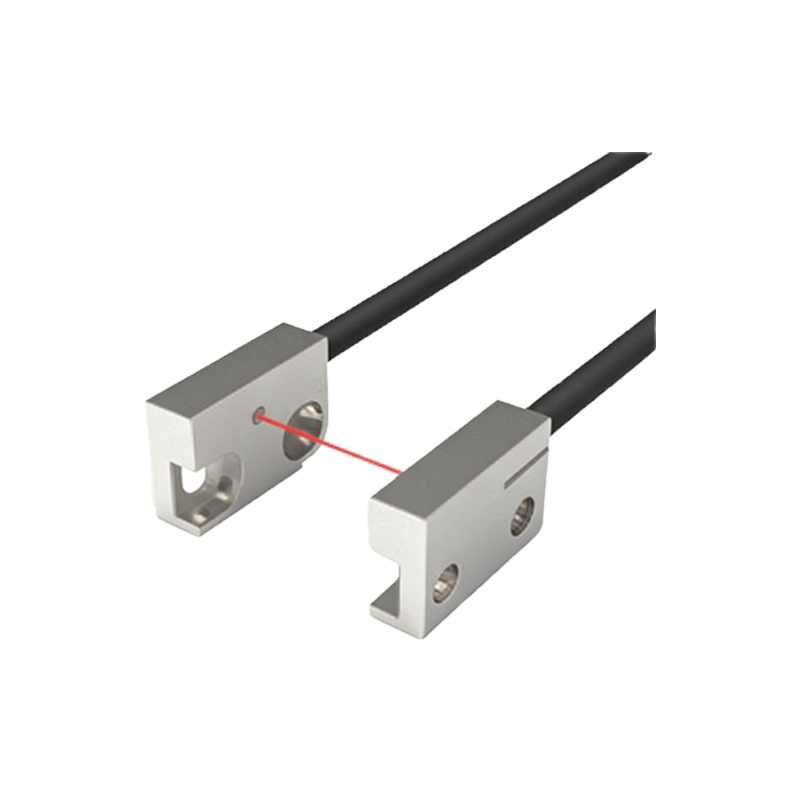
Slot type photoelectric sensors are widely used in industrial automation for position detection, object counting, and limit switching. These sensors consist of an infrared LED emitter and a phototransistor receiver aligned within a U-shaped slot. When an object passes through the slot, it interrupts the light beam, triggering an output signal. Their compact design, high precision, and reliability make them ideal for homing operations in machinery, where establishing a reference or "home" position is critical for accurate motion control. Unlike diffuse or reflective sensors, slot sensors provide consistent detection regardless of surface color or reflectivity, ensuring stable performance in diverse environments.
Principles of Homing and Limit Positioning
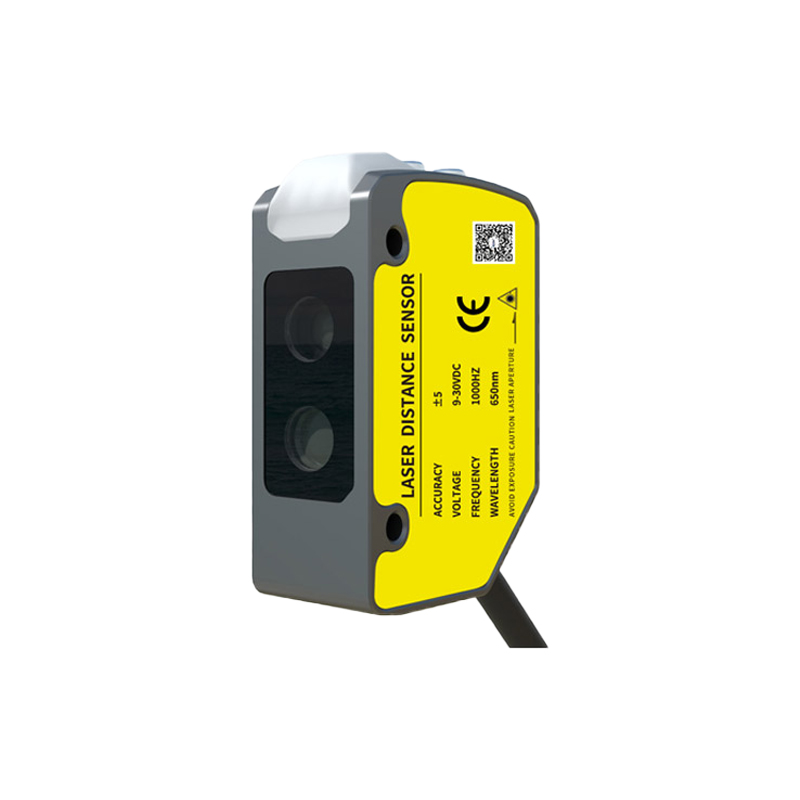
Homing refers to the process of moving a machine component to a predefined reference point, known as the home or origin position. This is essential for calibrating coordinate systems, ensuring repeatable operations, and preventing mechanical overtravel. In automation systems, slot type photoelectric sensors are often employed as limit sensors to define physical boundaries. By strategically placing sensors at extreme positions, such as the start or end of a linear axis, they act as hard stops or reference markers. The homing sequence typically involves moving the component toward a sensor until the beam is interrupted, signaling the controller to set that position as zero. This method combines sensor accuracy with mechanical limits to enhance safety and precision.
Sensor Installation and Alignment Considerations
Proper installation is crucial for effective homing. The slot sensor should be mounted securely on a stable surface, with the U-shaped gap aligned perpendicular to the movement path of the target object. Misalignment can cause false triggers or missed detections, leading to homing errors. Ensure the sensor's operating distance and slot width match the application requirements; for instance, a narrower slot offers higher resolution but may require precise object positioning. Additionally, environmental factors like dust, moisture, or ambient light should be mitigated using sensors with protective housings or filters. Regular maintenance, such as cleaning the lens, helps maintain optimal performance and prolongs sensor lifespan.
Homing Sequence Implementation Steps
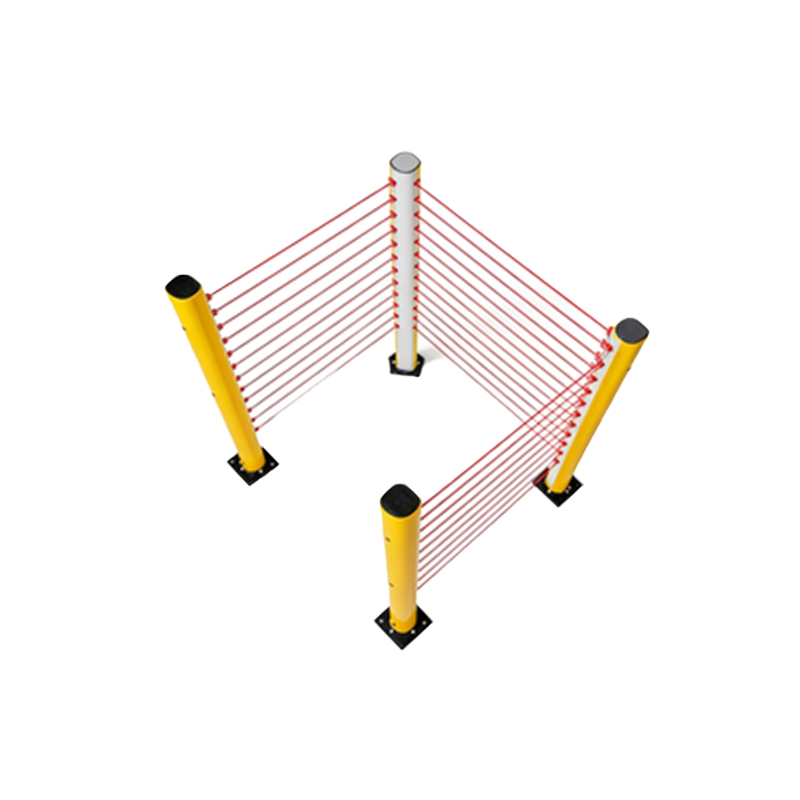
Implementing a homing sequence with slot sensors involves several steps. First, configure the programmable logic controller (PLC) or motion controller to recognize the sensor's output signal as a home switch input. Initiate the homing routine by commanding the motor to move slowly toward the limit position where the sensor is located. As the target object (e.g., a flag or tab attached to the moving part) enters the sensor slot, the beam interruption causes the sensor to switch states, sending a signal to the controller. Upon receiving this signal, the controller decelerates and stops the motor, records the current position as the home offset, and may perform a final precise adjustment. This process ensures consistent repositioning across multiple cycles.
Optimization for High-Speed and Precision Applications
In high-speed or high-precision applications, optimizing the homing process is key. Use slot sensors with fast response times (often in microseconds) to minimize delay and improve accuracy. Consider implementing a two-stage approach: a coarse homing phase where the sensor detects the limit position at higher speed, followed by a fine homing phase using encoder feedback for exact positioning. Adjust the sensor's sensitivity or hysteresis settings to prevent oscillation or chatter near the detection point. Integrating sensors with analog outputs can provide continuous position feedback, enabling dynamic adjustments. Testing under real operating conditions helps fine-tune parameters for reliability and repeatability.
Troubleshooting Common Homing Issues
Common issues in homing with slot sensors include false triggers, missed signals, or inconsistent positioning. False triggers may result from environmental interference, such as stray light or vibrations; shielding the sensor or using modulated infrared beams can mitigate this. Missed signals often stem from misalignment or dirty optics—realign the sensor and clean its surfaces regularly. Inconsistent positioning might be due to mechanical wear or loose mounting; inspect and tighten all components. Additionally, verify electrical connections and sensor output compatibility with the controller. Logging sensor data during homing cycles can help diagnose intermittent problems and improve system robustness.
Advantages Over Alternative Sensor Types
Slot type photoelectric sensors offer distinct advantages for limit position homing compared to alternatives like inductive proximity sensors or mechanical limit switches. They provide non-contact detection, reducing wear and maintenance, and are insensitive to material composition (unlike inductive sensors, which only detect metals). Their precise beam interruption allows for exact positioning, superior to mechanical switches that may suffer from bounce or physical degradation. Furthermore, slot sensors can detect small or thin objects, enhancing versatility. By combining durability with high accuracy, they support efficient and reliable homing in demanding industrial environments.
Future Trends and Integration with Smart Systems
The future of slot type photoelectric sensors in homing applications lies in integration with Industry 4.0 and smart manufacturing systems. Advanced sensors now feature IO-Link connectivity, enabling real-time data exchange, remote configuration, and predictive maintenance. This allows for dynamic adjustment of homing parameters based on operational conditions, improving adaptability. Machine learning algorithms can analyze sensor data to optimize homing sequences and predict failures. As automation evolves, these sensors will play a pivotal role in enhancing precision, reducing downtime, and supporting fully autonomous systems, making homing processes more intelligent and efficient.