Understanding Proximity Sensor Fundamentals
Proximity sensors are non-contact devices designed to detect the presence or absence of objects within a specified range. They operate based on various physical principles, including electromagnetic fields, capacitance, and ultrasonic waves. The primary types include inductive sensors for metallic objects, capacitive sensors for both metallic and non-metallic materials, and photoelectric sensors using light beams. Each type has distinct operational mechanisms, influencing factors such as sensing distance, response time, and environmental resilience. A clear grasp of these fundamentals is essential for making informed selection decisions, as it directly impacts system reliability and performance in automation, robotics, and safety applications.
Key Selection Criteria for Optimal Performance
Selecting the right proximity sensor involves evaluating multiple technical parameters. Sensing distance, or the maximum range at which the sensor can reliably detect an object, is critical and must account for installation tolerances. Response time determines how quickly the sensor reacts to changes, which is vital for high-speed processes. Environmental conditions, such as temperature extremes, humidity, dust, or chemical exposure, can affect sensor durability and accuracy. Additionally, consider the output type—whether digital (e.g., PNP/NPN) or analog—and ensure compatibility with control systems like PLCs. Electrical specifications, including voltage ratings and current consumption, must align with the power supply to prevent malfunctions.
Material and Object Characteristics
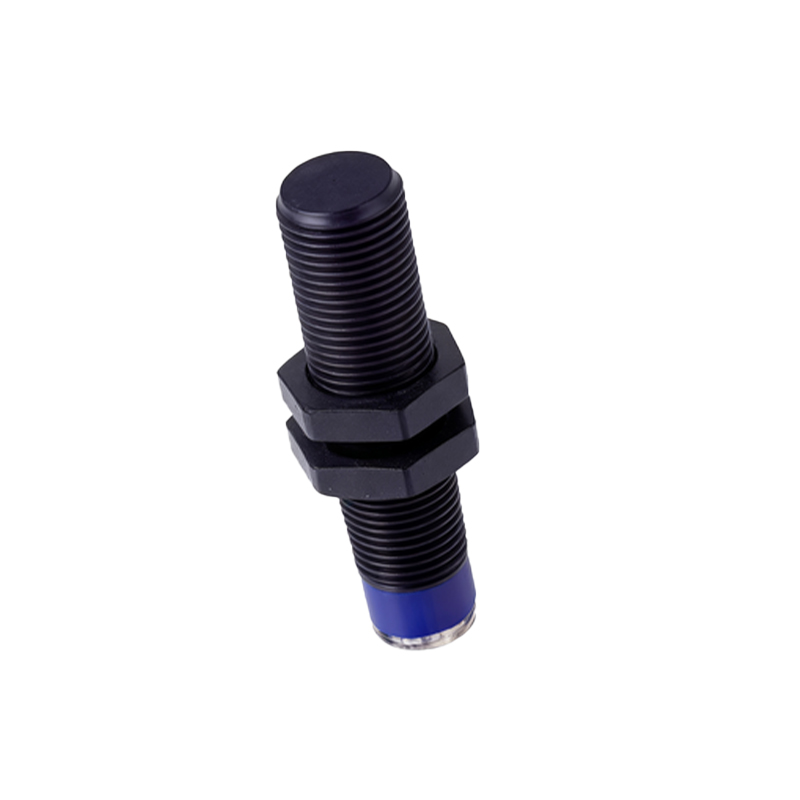
The composition and properties of target objects significantly influence sensor choice. Inductive sensors are ideal for ferrous and non-ferrous metals but ineffective with plastics or liquids. Capacitive sensors can detect a wider range of materials, including wood, glass, or granular substances, by sensing changes in dielectric constants. For transparent or small objects, photoelectric sensors offer precision but may be sensitive to ambient light. Factors like object size, shape, and surface texture also affect detection consistency. In applications involving multiple materials or varying conditions, testing with actual samples during the selection phase is recommended to avoid operational issues.
Installation and Mounting Considerations
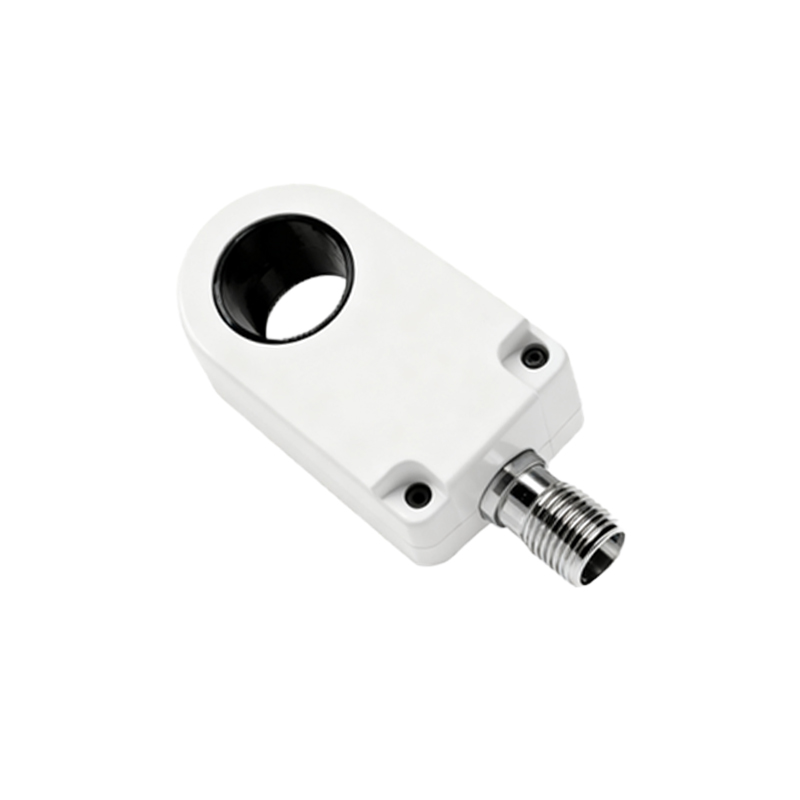
Proper installation ensures long-term sensor functionality and accuracy. Mounting orientation and proximity to other equipment can interfere with sensing fields, leading to false triggers or reduced range. For example, metallic surroundings may affect inductive sensors, requiring adequate spacing or shielding. Enclosure ratings, such as IP67 for dust and water resistance, are crucial for harsh industrial environments. Additionally, consider mechanical factors like vibration resistance and housing material—stainless steel or polymer—based on physical stresses. Wiring and connectivity should follow industry standards to minimize electrical noise and ensure stable signal transmission, with attention to cable length and routing.
Cost-Effectiveness and Lifecycle Management

While initial cost is a factor, total ownership expenses over the sensor's lifecycle are more telling. High-quality sensors may have a higher upfront price but offer better reliability, reducing downtime and maintenance costs. Evaluate manufacturer warranties, availability of spare parts, and ease of calibration or replacement. Energy efficiency can lower operational costs in large-scale deployments. Furthermore, consider scalability—whether the sensor can adapt to future process changes or technological upgrades. Partnering with reputable suppliers who provide technical support and documentation enhances long-term value, ensuring seamless integration and troubleshooting.
Industry-Specific Applications and Trends
Proximity sensors are integral to diverse sectors, each with unique demands. In automotive manufacturing, they enable precise positioning in assembly lines, while in food processing, capacitive sensors detect liquid levels in non-metallic containers. Emerging trends include miniaturization for compact machinery and smart sensors with IoT connectivity for real-time monitoring and predictive maintenance. Advances in materials, such as enhanced polymer housings, improve resistance to corrosive substances. Staying updated on these developments helps in selecting future-proof sensors that align with evolving industrial standards and efficiency goals.