Introduction to Photoelectric Sensing Technology
Photoelectric sensors are indispensable components in modern automated sorting systems, serving as the primary "eyes" for detection, identification, and positioning. These devices operate on the principle of converting light signals into electrical signals. Fundamentally, a photoelectric sensor consists of an emitter, which projects a light beam (typically infrared, visible red, or laser), and a receiver, which detects the presence or absence of this beam. The interruption, reflection, or modulation of this beam by an object triggers a change in the sensor's output state, providing a critical signal to the system's programmable logic controller (PLC). This simple yet robust principle enables high-speed, non-contact detection of a vast array of objects, from parcels and packages to small electronic components and food items, forming the foundational layer of data acquisition in sorting automation.
Core Operating Modes: Through-Beam, Retroreflective, and Diffuse
Understanding the distinct operating modes is crucial for optimal sensor selection. Through-beam sensors, also known as opposed-mode sensors, feature separate emitter and receiver units placed opposite each other. An object is detected when it breaks the light beam. This mode offers the longest sensing ranges and highest reliability, as it is largely immune to object color, reflectivity, or surface finish. It is ideal for precise detection points in high-speed parcel sorting. Retroreflective sensors house both emitter and receiver in a single housing, utilizing a reflector to bounce the beam back. Detection occurs when an object interrupts the beam's path to the reflector. This mode provides a good balance of range and ease of installation. Diffuse sensors, or proximity-mode sensors, also have a combined emitter and receiver, but they detect light reflected directly off the target object. Their sensing range is shorter and depends on the object's size, color, and surface properties, making them suitable for detecting objects at close range without a reflector, such as on a conveyor belt.
Advanced Features for Complex Sorting Tasks
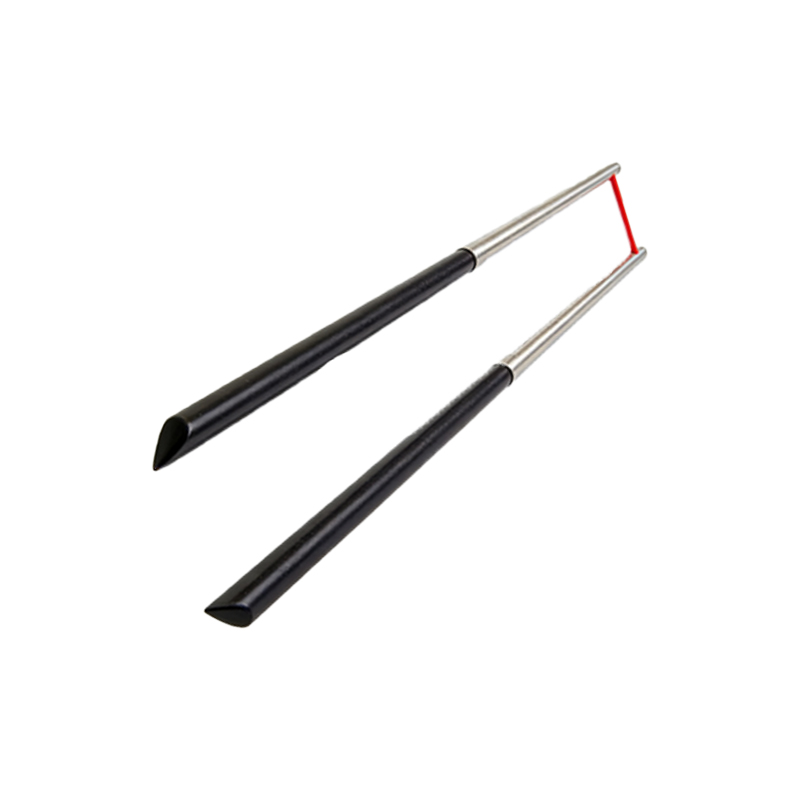
Modern photoelectric sensors incorporate sophisticated features to handle complex sorting environments. Background suppression is a critical technology in diffuse sensors that uses triangulation to detect objects only within a precise, defined distance, ignoring surfaces beyond the set range. This prevents false triggers from conveyor beds or distant objects. Contrast sensors are specialized for detecting marks, labels, or print contrasts on packages, essential for routing decisions based on barcodes or color codes. Luminescence sensors detect materials that fluoresce under UV light, used in specialized sorting like security tag detection or recycling. Furthermore, sensors with teach-in functions allow for easy on-site calibration, while models with IO-Link communication enable digital parameter setting, remote diagnostics, and integration into Industry 4.0 data networks, providing valuable insights into process health.
Key Selection Criteria for System Integration
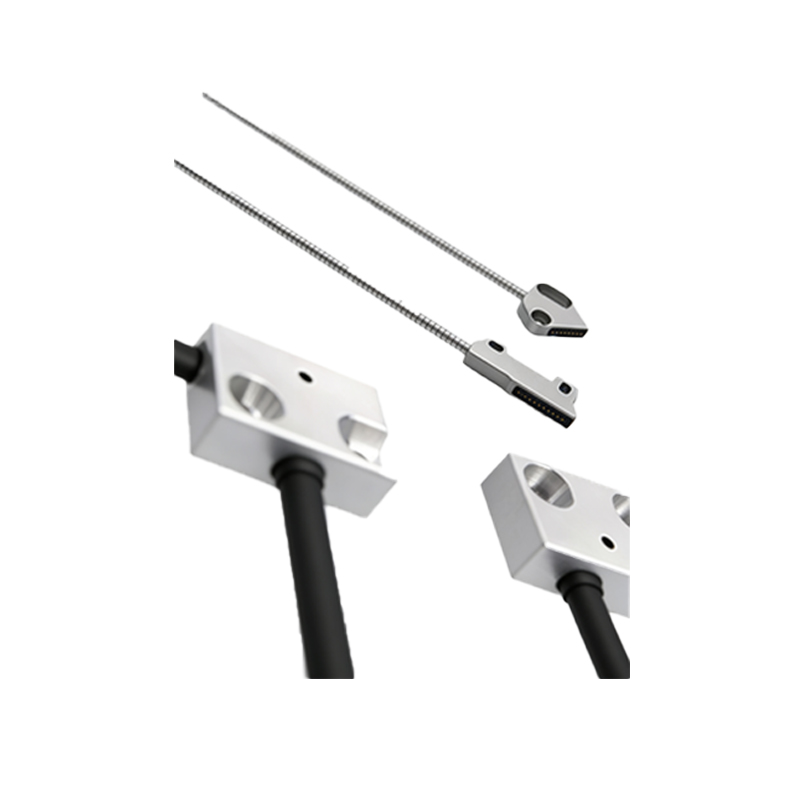
Selecting the right photoelectric sensor requires a detailed analysis of the application parameters. Sensing range is the primary consideration, dictated by the physical layout. Required resolution, or the ability to detect very small objects or gaps, determines the need for a focused laser beam versus a standard LED beam. The response time must be fast enough to keep pace with the line speed; high-speed sorting lines often demand microsecond-level switching. Environmental factors are paramount: sensors must be rated with appropriate Ingress Protection (IP) codes for dust and washdown conditions common in logistics and food sorting. Electrical output type (PNP/NPN, analog, relay) must match the PLC input card. Finally, mechanical design, including housing material (stainless steel for harsh environments) and mounting options, ensures long-term physical robustness.
Overcoming Common Application Challenges
Even with careful selection, real-world sorting facilities present significant challenges that engineers must mitigate. Ambient light interference from high-bay lighting or sunlight can swamp a sensor's receiver. Choosing sensors with modulated LED light (often at a specific frequency) and digital signal processing effectively filters out constant or slowly changing ambient light. Dust, dirt, and moisture accumulation on lenses is a persistent issue, requiring sensors with high IP ratings, air purge fittings, or automated lens cleaning systems in severe cases. Vibration from conveyors and machinery can misalign through-beam or retro-reflective setups, necessitating robust mounting brackets and periodic alignment checks. For highly reflective or transparent objects (like polybags or glass), specific sensor types, such as polarized retroreflective or focused-beam diffuse sensors with background suppression, are employed to ensure reliable detection.
Maintenance and Diagnostic Best Practices
Proactive maintenance is key to maximizing system uptime. A regular schedule should include visual inspection and cleaning of lenses and reflectors with appropriate materials. Verification of alignment for through-beam and retroreflective setups is critical. Modern sensors with built-in diagnostic indicators (like stability LEDs or signal strength bargraphs) provide immediate visual feedback on performance and detection margin. Utilizing sensors with IO-Link allows for advanced condition monitoring, such as tracking received light intensity over time to predict lens fouling before a failure occurs. Keeping a stock of critical sensor spares and documenting specific parameters for each point in the system minimizes downtime during replacement. Training operational staff to recognize basic fault indicators can also lead to faster problem identification.
The Future: Smart Sensors and System Integration
The evolution of photoelectric sensors is tightly coupled with broader trends in industrial automation. The integration of more intelligence at the sensor point is accelerating. Future sensors will not only detect presence but also provide richer data, such as precise distance measurements (via time-of-flight technology), simple shape recognition, or even basic image capture. This data, communicated via industrial Ethernet protocols like EtherNet/IP or PROFINET, will feed directly into higher-level control systems and digital twins, enabling predictive sorting, dynamic routing adjustments based on real-time object analysis, and seamless integration with robotic pick-and-place units. The role of the photoelectric sensor is expanding from a simple binary switch to a smart, networked data node within the intelligent sorting ecosystem.