Understanding Proximity Sensor Types and Price Ranges
The question "how much does a proximity sensor cost?" has no single answer, as prices vary dramatically based on technology, performance, and brand. Fundamentally, proximity sensors are categorized by their sensing principle: inductive, capacitive, ultrasonic, and photoelectric. Inductive sensors, designed to detect metallic objects, are typically the most cost-effective, with basic shielded tubular models starting as low as $15 to $30 USD per unit. Capacitive sensors, which can detect both metallic and non-metallic materials like liquids or plastics, generally carry a slightly higher price tag, often ranging from $30 to $60 for standard versions. For more complex detection needs, such as long-range or color recognition, photoelectric and ultrasonic sensors are employed, with prices commonly starting at $50 and can exceed $200 for specialized, high-performance models.
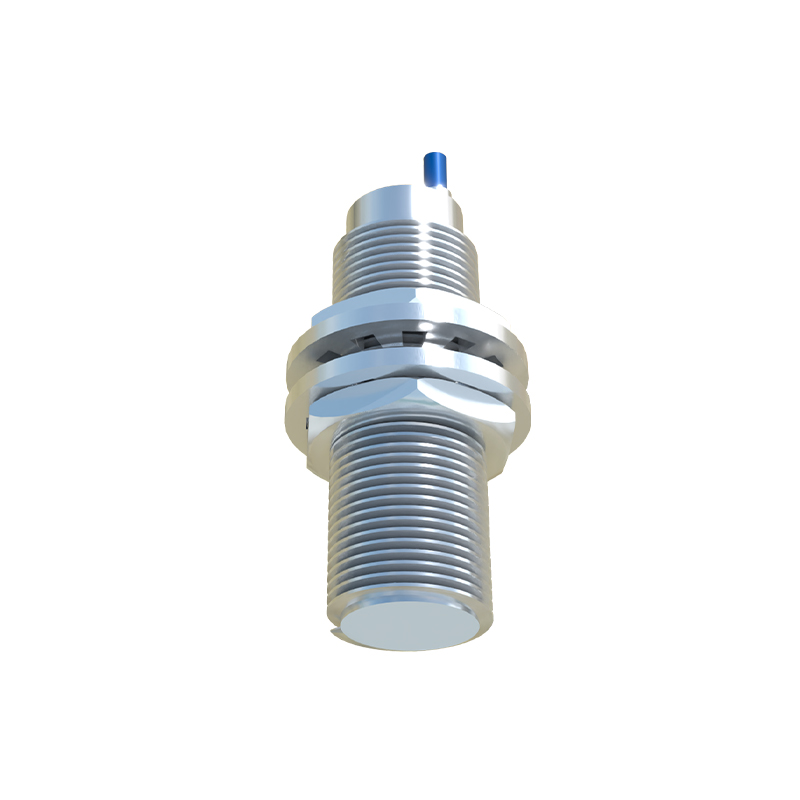
Key Factors Influencing the Final Price Per Unit
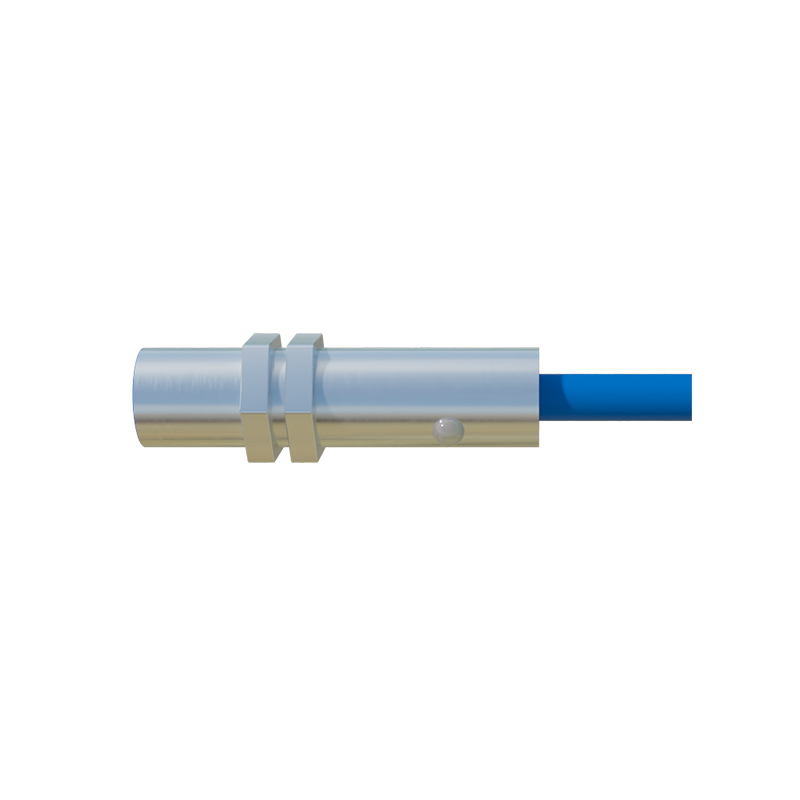
Beyond the core technology, several critical specifications directly impact the per-piece cost. Sensing range is a primary driver; a standard 5mm inductive sensor is inexpensive, while one with a 40mm range may cost three times as much. The housing material also plays a role—nickel-plated brass or stainless steel housings for harsh environments (IP67, IP69K ratings) command a premium over standard PBT plastic housings. Output configuration (PNP vs. NPN, NO vs. NC) and connection type (pre-wired cable vs. quick-disconnect) create further price differentiation. Additionally, features like analog output, IO-Link communication for Industry 4.0 integration, or exceptional temperature tolerance can significantly increase the price, potentially doubling or tripling the cost of a basic model.
Brand Reputation and Supply Chain Considerations
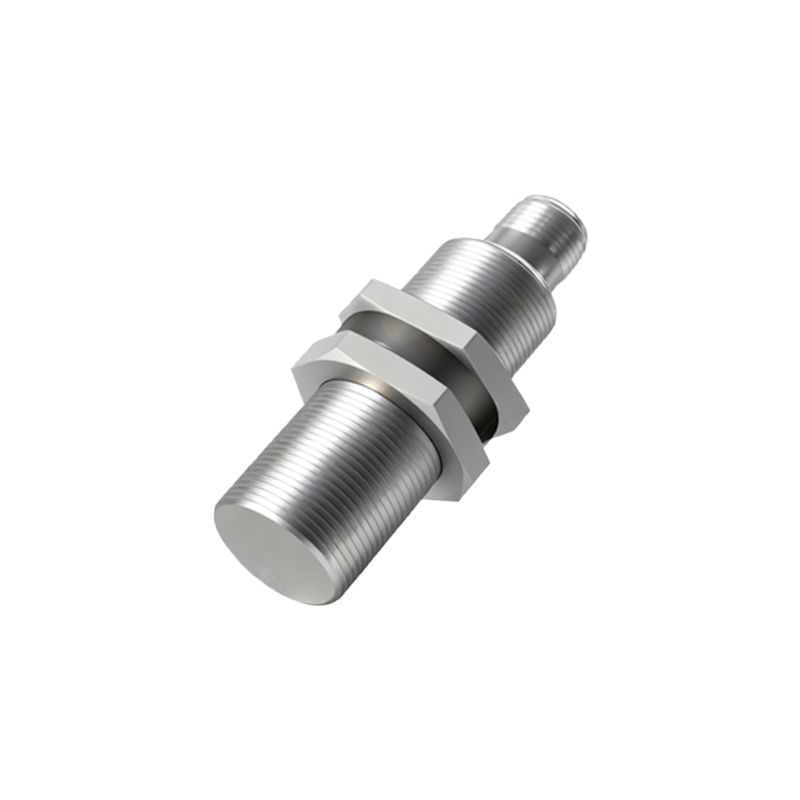
The manufacturer's brand is a substantial price factor. Established global leaders like Siemens, Omron, Pepperl+Fuchs, and Balluff are synonymous with high reliability and precision, but their products come at a premium. Sensors from these top-tier brands can range from $50 to well over $300 for advanced units. In contrast, reputable mid-tier brands and generic suppliers from global marketplaces offer competitive alternatives, sometimes providing similar form-and-fit sensors at 30-50% lower cost. However, this often involves trade-offs in longevity, technical support, and certification guarantees. The purchase channel also affects price; buying directly from a distributor in bulk yields a lower per-unit cost than purchasing a single sensor from an online retailer.
The True Cost: Purchase Price vs. Total Cost of Ownership
Focusing solely on the initial purchase price can be misleading. For industrial applications, the Total Cost of Ownership (TCO) is a more critical metric. A cheaper sensor that fails prematurely can lead to costly unplanned downtime, production losses, and replacement labor. A higher-priced sensor from a reputable brand often offers a longer operational lifespan, higher mean time between failures (MTBF), and better resistance to environmental stressors like welding spatter or washdowns. Furthermore, consistent performance ensures product quality and reduces waste. Therefore, investing in a slightly more expensive, reliable sensor frequently results in lower TCO and greater long-term value for the operation.
Price Estimates and Purchasing Recommendations
As a general guide, for standard industrial automation tasks, budget approximately $20-$80 for a reliable inductive or capacitive proximity sensor. For more demanding applications requiring longer range, special materials, or smart features, prepare a budget of $80-$250 per unit. It is highly recommended to consult with a technical sales engineer or a trusted distributor. Provide them with detailed application requirements: target material, required sensing distance, environmental conditions (temperature, contaminants), electrical specifications, and needed certifications. They can recommend the most cost-effective sensor that ensures system reliability, helping you balance upfront cost with long-term performance and minimizing the risk of selecting an unsuitable, albeit cheaper, component.