Introduction to Sensing Technologies
In the realm of industrial automation and control systems, sensors act as the critical sensory organs, providing essential data for process monitoring, safety, and efficiency. Among the diverse array of sensor types, magnetic and photoelectric sensors stand out as two of the most widely deployed technologies. Each operates on fundamentally different physical principles, leading to distinct performance characteristics, application suitability, and installation considerations. Understanding the core differences between magnetic sensors and photoelectric sensors is paramount for engineers and system designers to select the optimal component for a given task, ensuring reliability, accuracy, and cost-effectiveness in demanding industrial environments.
Fundamental Operating Principles
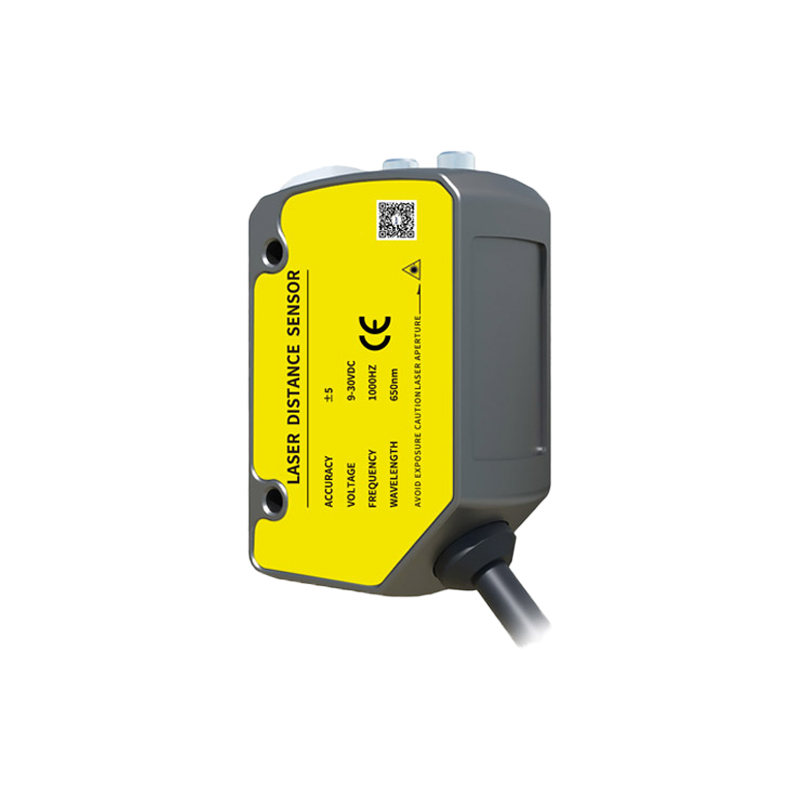
The primary distinction lies in their underlying physics. Magnetic sensors, such as reed switches, Hall effect sensors, and magnetoresistive sensors, detect changes in a magnetic field. They typically respond to the presence, absence, or strength of a permanent magnet or an electromagnet. For instance, a Hall effect sensor generates a voltage difference (the Hall voltage) across an electrical conductor when a magnetic field is applied perpendicular to the current flow. In contrast, photoelectric sensors function by utilizing light, usually in the visible or infrared spectrum. They consist of a light source (emitter) and a receiver. The sensor detects the target by evaluating changes in the received light signal, which can be interrupted, reflected, or refracted by the object. Common operating modes include through-beam, retro-reflective, and diffuse reflective.
Key Performance Characteristics and Comparison
Performance parameters highlight their divergent strengths. Magnetic sensors excel in environments with high levels of contamination, such as dust, oil mist, or steam, as these mediums do not affect magnetic fields. They are inherently robust, often featuring solid-state construction with no moving parts (except in reed switches), and offer excellent resistance to vibration and shock. Their sensing range, however, is typically limited to short distances, often just a few millimeters to centimeters, and they require a magnetic target. Photoelectric sensors, on the other hand, provide much longer sensing ranges, from a few centimeters up to several meters, depending on the model and mode. They can detect a vast array of materials—metal, plastic, wood, liquid, and even transparent films—regardless of color in many advanced models. Their primary vulnerability is to environmental factors that obscure or interfere with the light beam, such as heavy dust, fog, or direct ambient light.
Typical Industrial Applications
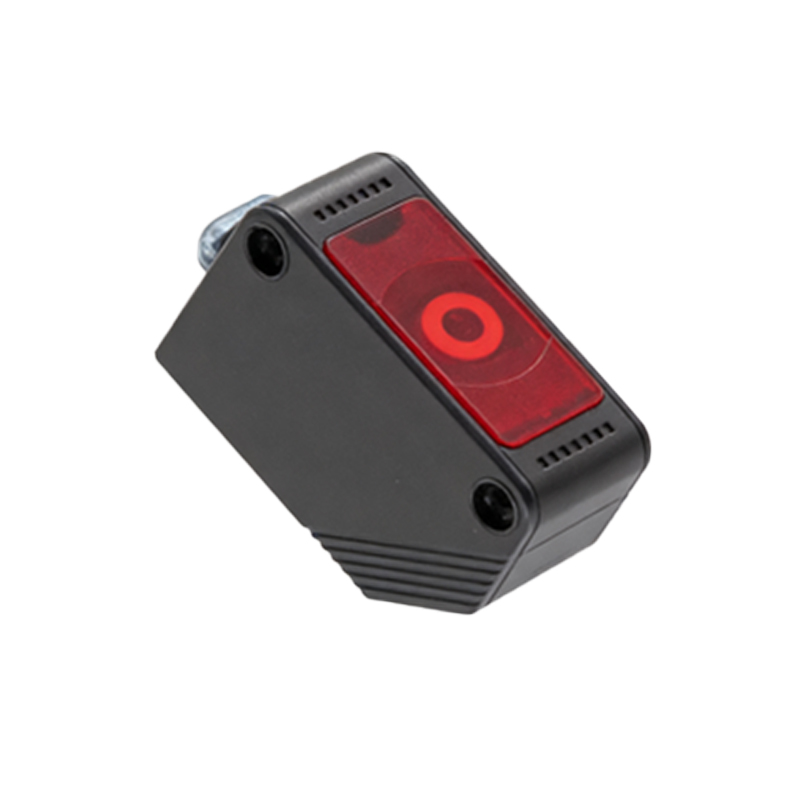
Application areas naturally diverge based on these characteristics. Magnetic sensors are the go-to choice for position detection in harsh conditions. They are ubiquitous in cylinder position sensing for pneumatic and hydraulic actuators, where a magnet embedded in the piston triggers the sensor. They are also fundamental in rotary encoders, speed detection on gears or shafts, and as proximity switches on doors and guards. Photoelectric sensors are incredibly versatile. They are indispensable in packaging lines for detecting labels, counting products, and monitoring fill levels. They enable precise object detection on conveyor systems, control automated doors, ensure web break detection in printing, and facilitate complex tasks like color mark detection and contrast recognition where magnetic sensors would be ineffective.
Installation and Environmental Considerations
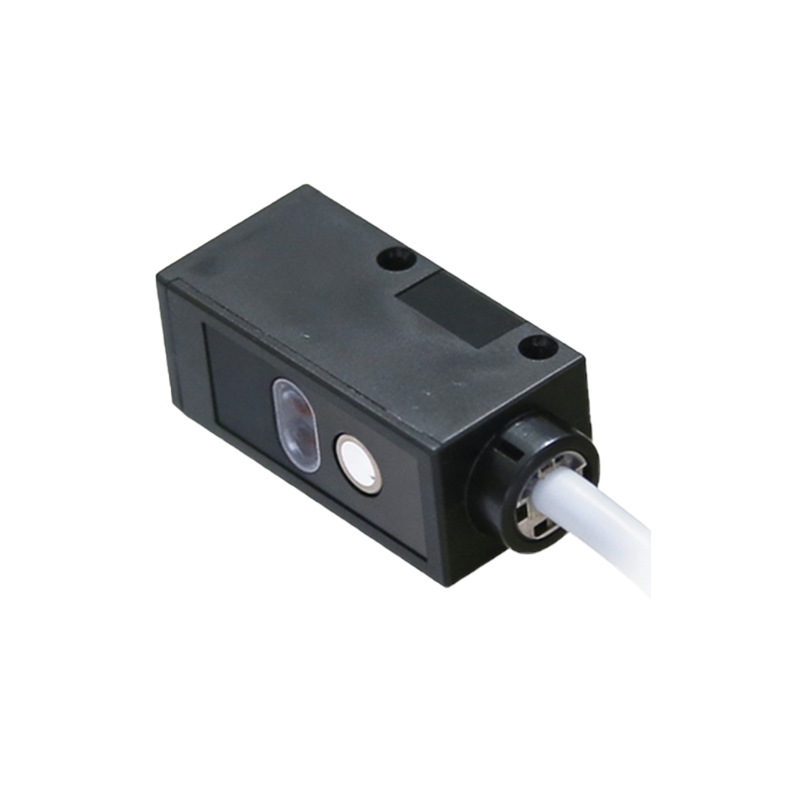
Installation requirements further differentiate the two. Magnetic sensor installation is generally straightforward, requiring only alignment with the magnetic target. They are less sensitive to mounting alignment tolerances compared to precise optical alignment needed for many photoelectric setups. Photoelectric sensors demand careful consideration of the background, target surface properties (reflectivity, color), and potential optical interference. Environmental sealing is critical for both; magnetic sensors often boast high IP ratings for washdown environments, while photoelectric sensors require clean lenses and may need air purge systems or specialized housings in extremely dirty or humid settings to maintain functionality.
Cost and Maintenance Factors
From a lifecycle perspective, both sensor types offer high reliability but face different maintenance challenges. Magnetic sensors are typically lower in cost for basic proximity tasks and have virtually zero maintenance unless physically damaged. Photoelectric sensors might have a higher initial cost for advanced models but offer unparalleled flexibility. Their maintenance can involve periodic lens cleaning to remove dust or grime that attenuates the light signal. The light source, often an LED, has a finite lifespan, though it is usually rated for tens of thousands of hours of continuous operation.
Conclusion and Selection Guidance
In summary, the choice between a magnetic and a photoelectric sensor is not a matter of superiority but of appropriate application. Select a magnetic sensor when the application involves detecting a magnetic object in a dirty, wet, or vibration-prone environment over a very short range. Opt for a photoelectric sensor when you need longer range, the ability to detect non-metallic or non-magnetic materials, or require more complex detection logic based on light reflection or beam break. A thorough analysis of the target material, environmental conditions, required sensing distance, and operational reliability will lead to the correct, most efficient sensor selection, forming a robust foundation for any automated system.