Introduction to Proximity Light Sensors
Proximity light sensors, often simply called proximity sensors, are electronic devices designed to detect the presence or absence of an object within a specific range without any physical contact. They operate by emitting an electromagnetic field or a beam of electromagnetic radiation, typically infrared light, and then looking for changes in the field or return signal. The sensor consists of a light emitter, usually an infrared LED, and a light detector, such as a photodiode or phototransistor. When an object enters the sensing field, it reflects the emitted light back to the detector, triggering an output signal. This fundamental principle allows for reliable, non-contact detection, making these sensors indispensable in numerous applications where hygiene, speed, or object fragility is a concern. Their ability to function without wear and tear from mechanical contact significantly enhances their longevity and reliability in industrial and consumer environments.
Core Operating Principles and Types
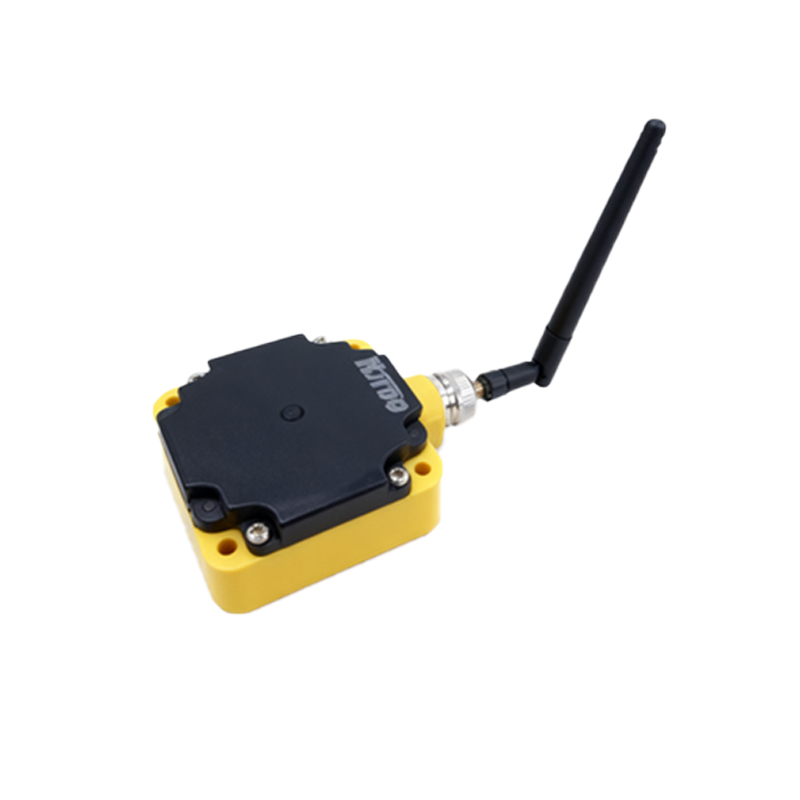
The functionality of proximity light sensors is rooted in optoelectronics. The most common type is the diffuse reflective sensor, where the emitter and receiver are housed in the same unit. The sensor detects the object based on the light reflected directly from it. Another variant is the through-beam sensor, which has separate emitter and receiver units facing each other; an object is detected when it interrupts the light beam. A more sophisticated type is the retro-reflective sensor, which uses a reflector to bounce the beam back to a receiver in the same housing; detection occurs when the beam is blocked. These sensors can be analog, providing a continuous output proportional to distance, or digital, providing a simple on/off signal when an object crosses a preset threshold. Advanced versions incorporate background suppression technology to ignore distant objects or environmental reflections, ensuring precise detection only within a defined zone.
Key Applications in Consumer Electronics
One of the most ubiquitous applications of proximity light sensors is in consumer electronics, particularly in smartphones and tablets. Here, the sensor is placed near the earpiece. During a phone call, when the device is brought close to the user's ear, the sensor detects the proximity and automatically turns off the touchscreen display. This prevents accidental touch inputs from the cheek or ear, saving battery power and improving user experience. Similarly, these sensors are used in laptops to detect when a user is present, waking the device from sleep mode, or in smartwatches to disable the display when not in view. Their small size, low power consumption, and high reliability make them perfect for these compact, battery-powered devices.
Industrial Automation and Robotics
In the realm of industrial automation, proximity light sensors are workhorses. They are deployed on assembly lines for object detection, counting, and positioning. For instance, they can detect if a bottle is present on a conveyor belt for labeling or filling, or verify if a component is correctly placed before a robotic arm performs a welding operation. In automated packaging machinery, they ensure boxes are properly positioned for sealing. Their fast response time and non-contact nature are critical for high-speed production environments where precision and minimal downtime are paramount. In robotics, these sensors provide crucial input for navigation and object manipulation, helping robots avoid collisions or identify pick-and-place targets.
Role in Automotive Safety Systems
Modern vehicles heavily integrate proximity light sensors to enhance safety and convenience. They are a key component in parking assistance systems. Ultrasonic sensors, which operate on a similar principle but with sound waves, are common, but infrared light sensors are also used for short-range detection of obstacles during low-speed maneuvers, providing audible or visual warnings to the driver. Furthermore, they are employed in automatic door systems in vehicles, preventing doors from closing if an obstacle is detected. Emerging applications include gesture recognition inside the cabin, allowing drivers to control infotainment systems without taking their eyes off the road, thereby reducing distracted driving.
Contributions to Smart Home and IoT Devices
The proliferation of the Internet of Things (IoT) and smart home technology has expanded the use of proximity light sensors. In smart lighting systems, sensors can detect occupancy in a room and automatically turn lights on or off, contributing to energy efficiency. They are used in automatic faucets and soap dispensers in public restrooms for improved hygiene and water conservation. Smart appliances like trash cans with automatic lids utilize these sensors for hands-free operation. In security systems, they can act as part of a motion detection network, triggering alarms or cameras when an unexpected presence is detected near a window or door.
Advantages and Selection Criteria
The primary advantages of proximity light sensors include non-contact operation, long operational life, high reliability, fast response, and resistance to environmental factors like dust and moisture when properly housed. When selecting a sensor for a specific application