What Are Photoelectric Sensors?
Photoelectric sensors are versatile devices that use a light transmitter and a receiver to detect the presence, absence, or distance of an object. They operate by emitting a beam of light—often visible red, infrared, or laser—and then measuring the change in the received light signal. This change occurs when an object interrupts or reflects the light beam. The core principle is based on the photoelectric effect, where light energy is converted into an electrical signal. These sensors are fundamental in industrial automation due to their non-contact operation, high speed, and reliability. They can detect a vast range of materials, from metals and plastics to glass and liquids, making them indispensable for modern manufacturing and process control systems. Their ability to perform without physical contact eliminates wear and tear, ensuring long service life and minimal maintenance.
Key Operating Modes Explained
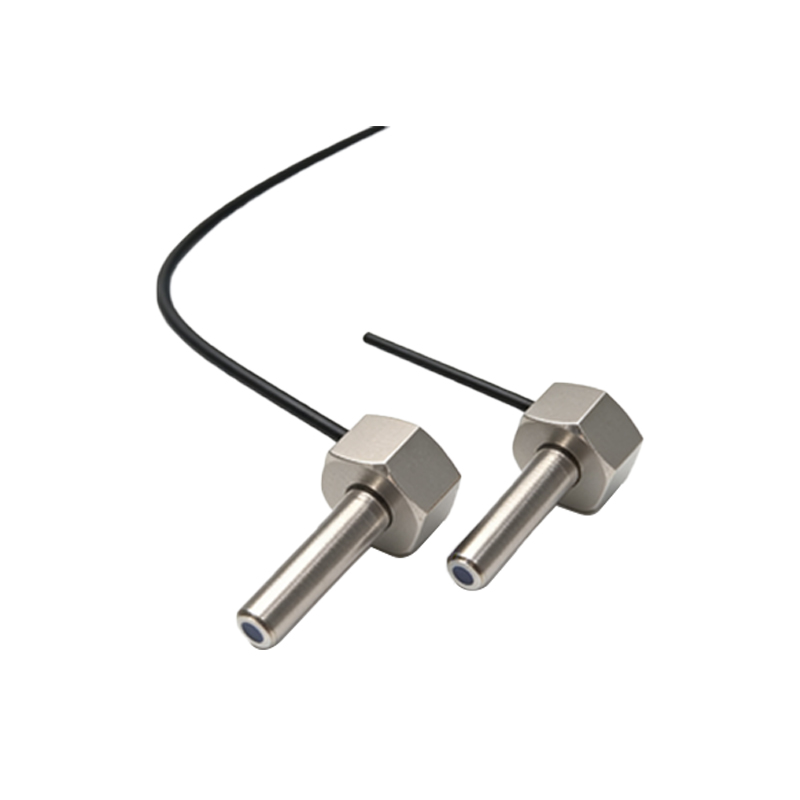
Photoelectric sensors function in three primary modes, each suited for specific applications. The first is the through-beam mode. This configuration uses separate, opposing units for the transmitter and receiver. The object is detected when it breaks the light beam between them. This mode offers the longest sensing range and highest reliability, as it is less affected by object surface color or reflectivity. It is ideal for precise detection in high-speed counting or safety light curtains. The second mode is retro-reflective. Here, a single housing contains both the emitter and receiver. It uses a reflector to bounce the light beam back. Detection occurs when an object interrupts this return path. This mode provides a good sensing range and simplifies wiring, making it common in packaging and material handling. The third is diffuse mode, where the sensor's own housing contains both elements. It detects an object by the light reflected directly from the object's surface. While sensing distance is shorter and can be influenced by color and texture, this mode is highly flexible for proximity detection and is widely used in robotic pick-and-place systems.
Through-Beam Sensor Applications
Through-beam sensors excel in applications requiring maximum reliability over long distances. A classic illustration is in conveyor belt systems for object counting and jam detection. Sensors mounted on opposite sides of the belt detect every item that passes, ensuring accurate inventory control and triggering alarms if the beam remains broken, indicating a blockage. Another critical application is in safety systems, such as perimeter guarding for robotic cells or press brakes. Arrays of through-beam sensors create an invisible safety curtain; if the beam is interrupted, the machinery halts immediately, protecting personnel. They are also pivotal in packaging machinery to verify the presence of bottles or containers before filling and capping, preventing costly spills and operational errors. Their insensitivity to object characteristics makes them perfect for these high-stakes, high-speed environments.
Retro-Reflective Sensor Implementations
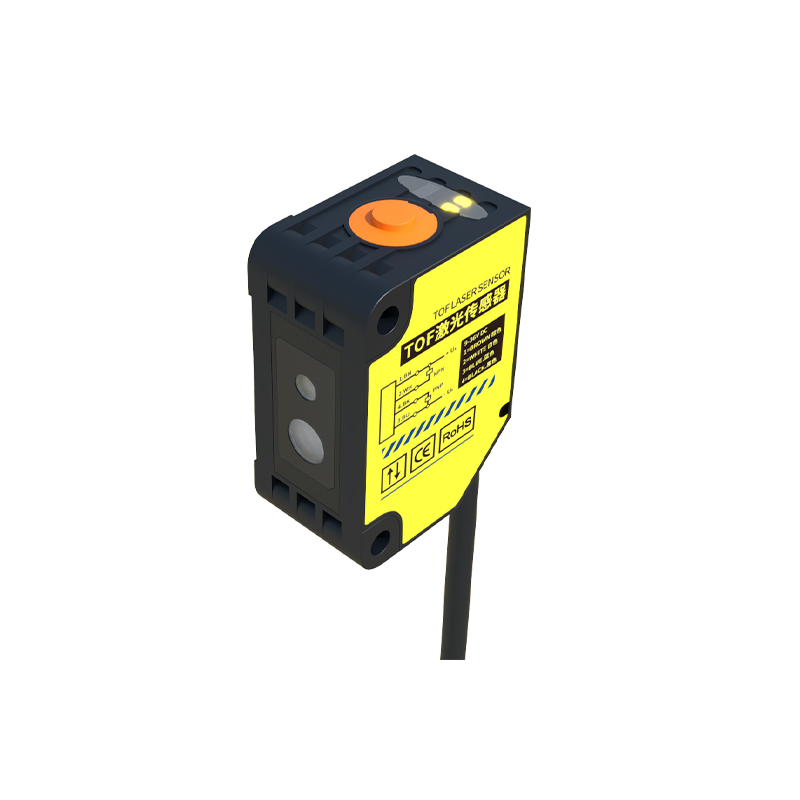
Retro-reflective sensors offer a balance of range and installation convenience. A prime example is in automatic door control systems. A sensor mounted on the door frame detects a person or vehicle approaching by the interruption of its beam reflected from a corner-cube reflector on the opposite side, triggering the door to open. In palletizing and depalletizing operations, these sensors verify the presence of a pallet in the correct position before a robotic arm begins stacking or unstacking layers. They are also extensively used in warehouse automation for detecting the presence of goods on overhead conveyors or in sorting lanes. The use of a reflector allows for a single wiring point at the sensor, reducing installation complexity and cost compared to through-beam setups, while still maintaining good performance in moderately challenging environments.
Diffuse Sensor Use Cases
Diffuse, or proximity, sensors are the workhorses for close-range detection where mounting a reflector or receiver is impractical. In assembly line automation, they detect small components on feeders or verify the correct orientation of parts before assembly. Their ability to detect regardless of background is crucial here. Another widespread application is in liquid level detection within translucent or opaque tanks. The sensor can detect the presence or absence of liquid at a specific point by the change in reflectivity from the liquid surface or tank wall. In mobile robotics, diffuse sensors are used for collision avoidance and object proximity sensing, allowing AGVs (Automated Guided Vehicles) to navigate around obstacles. Modern background suppression and fixed-field diffuse sensors can even precisely detect objects at a set distance, ignoring surfaces beyond, which is invaluable for precise positioning tasks.
Specialized Sensor Types and Advanced Functions
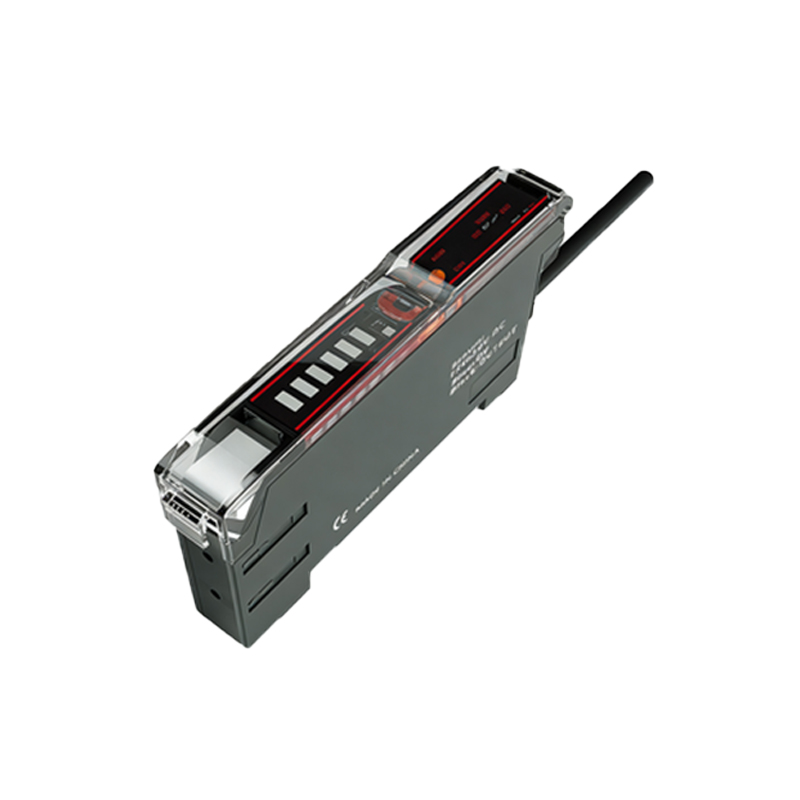
Beyond the basic modes, specialized photoelectric sensors address niche challenges. Fiber optic sensors use flexible light guides to deliver and receive light, enabling detection in extremely hot, cold, or space-constrained environments, such as inside small machinery or furnace feed systems. Color sensors differentiate between colors by analyzing the reflected light's wavelength, used in sorting recycled materials or verifying product labels. Luminescence sensors detect markings or materials that glow under UV light, critical for security printing or pharmaceutical packaging verification. Distance-measuring sensors (like laser triangulation types) provide precise analog output proportional to the distance to a target, used for continuous thickness monitoring or robot guidance. These advanced functions expand the sensor's role from simple detection to sophisticated measurement and inspection.
Selection Criteria and Installation Best Practices
Selecting the right photoelectric sensor requires analyzing several factors. Sensing distance must account for the application's required range with a safety margin. The object properties—size, color, material, and surface finish—directly influence the choice of mode and light type (e.g., red LED for general use, laser for small objects). The environmental conditions are critical; factors like dust, moisture, ambient light, and temperature extremes may necessitate sensors with high IP ratings, specialized housings, or modulated light signals to ignore interference. Output type (PNP/NPN, analog, IO-Link) must match the control system. For installation, ensure precise alignment for through-beam and retro-reflective types. For diffuse sensors, consider the background and potential reflective interference. Always follow manufacturer guidelines for mounting, wiring, and adjustment to ensure optimal, reliable performance in the field.