In today's automated and safety-conscious industrial landscape, proximity sensors are indispensable components. From assembly lines and robotic arms to consumer electronics and automotive systems, these non-contact detection devices play a critical role. A common and crucial question for engineers, procurement specialists, and hobbyists alike is: "What is the price of a proximity sensor?" The answer is rarely a single figure. The cost of a proximity sensor is a complex equation influenced by a multitude of technical, commercial, and application-specific factors. Understanding these variables is key to making a cost-effective purchase that doesn't compromise on performance or reliability.
Firstly, the underlying technology is a primary cost driver. Inductive proximity sensors, designed to detect metallic objects, are generally the most economical for standard industrial applications. Within this category, prices vary based on sensing range, switching frequency, and housing material (e.g., stainless steel vs. plastic). Capacitive sensors, capable of detecting non-metallic materials like liquids, wood, or plastics, typically come at a higher price point due to their more complex circuitry. For longer ranges or specific material detection needs, ultrasonic and photoelectric sensors command a premium. Magnetic sensors (reed switches or Hall effect) are often very low-cost for simple position detection but offer limited functionality.
Specifications and performance parameters directly correlate with price. A sensor with a 2mm sensing distance will cost less than an identical model with a 15mm range. Similarly, sensors rated for high switching frequencies (for fast-moving objects), those with exceptional repeat accuracy, or models featuring advanced diagnostics and IO-Link communication capabilities will be more expensive. The protection rating (IP67, IP69K) is vital; sensors designed for harsh environments—resistant to chemicals, extreme temperatures, or high-pressure washdowns—require robust construction, increasing manufacturing costs.
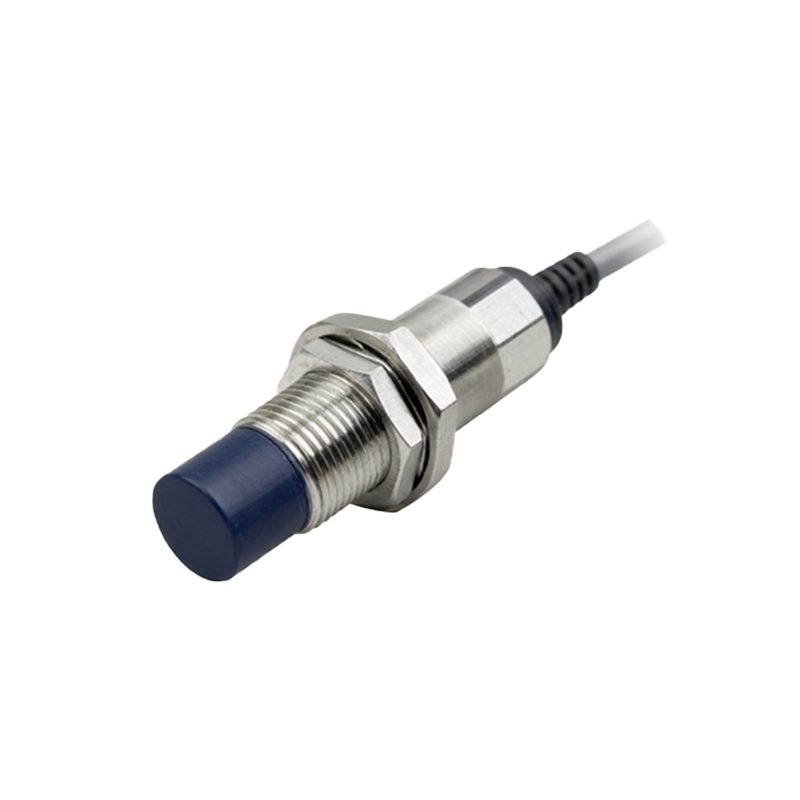
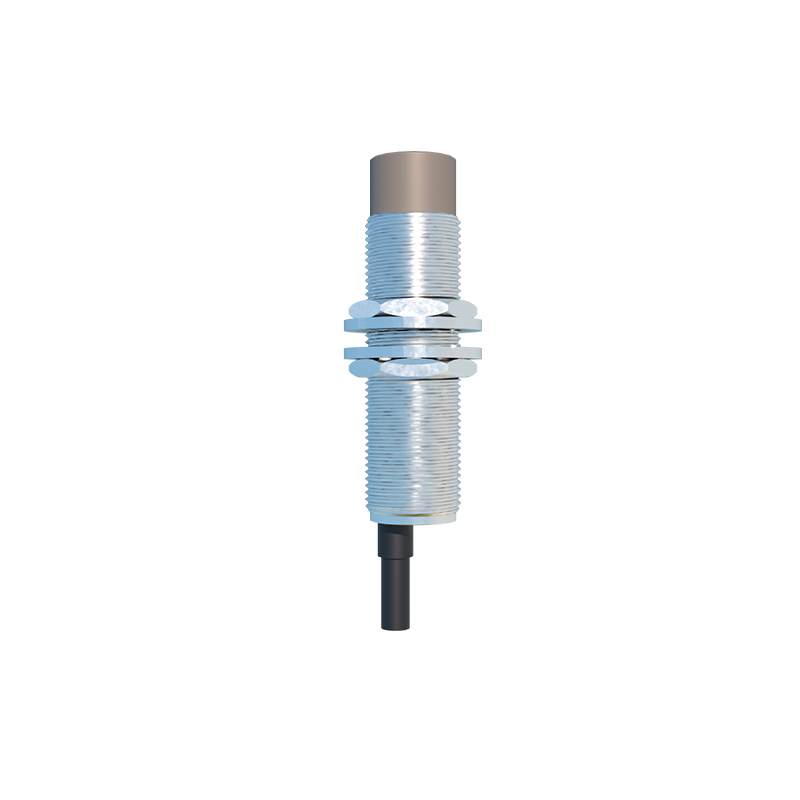
The form factor and housing design also impact the price. Standard cylindrical shapes (e.g., M8, M12, M18, M30) are mass-produced and thus more affordable. Miniature sensors or specialized rectangular, slot, or ring-shaped designs involve more complex tooling and lower production volumes, leading to higher unit costs. The choice of connector—integrated cable, quick-disconnect (M12 connector), or pin-style—adds another layer to the final price.
Brand reputation and supply chain positioning are significant commercial factors. Established global brands (e.g., Siemens, Omron, Schneider Electric, Pepperl+Fuchs) often price their sensors higher, reflecting decades of R&D, proven reliability, global warranty support, and extensive documentation. Mid-tier and value-oriented brands may offer comparable specifications at a lower cost, which can be attractive for budget-conscious projects without extreme demands. Furthermore, purchasing directly from an authorized distributor usually costs more than sourcing from a broad-line supplier or online marketplace, but it guarantees authenticity, technical support, and reliable warranty service.
Order volume remains a universal rule in electronics procurement. Buying a single sensor unit will always carry the highest unit price. Significant discounts are applied for bulk purchases, such as reel packaging for automated assembly. For large-scale OEM integration, negotiating directly with the manufacturer for annual volume contracts can dramatically reduce the per-unit cost.
Therefore, when evaluating proximity sensor prices, it is imperative to look beyond the initial sticker price. The concept of Total Cost of Ownership (TCO) is essential. A cheaper sensor that fails prematurely in a demanding environment can cause costly production downtime, product damage, and replacement labor. Investing in a slightly more expensive, high-quality sensor from a reliable supplier often translates to greater long-term value through uninterrupted operation, safety, and reduced maintenance. Always cross-reference the sensor's specifications against your application's exact requirements—sensing distance, target material, environmental conditions, and required output—to avoid over-specifying (and overpaying) or under-specifying (leading to failure).
In conclusion, the price of a proximity sensor is a spectrum. While basic inductive models can start as low as $10-$20, sophisticated long-range, analog-output, or hygienic-rated sensors can easily exceed $100-$200 per unit. By carefully analyzing the technology, specifications, brand value, and procurement channel against your specific needs, you can strike the optimal balance between upfront cost and long-term operational value, ensuring a smart investment for your automation or detection project.