Introduction to Proximity Sensors
Proximity sensors are non-contact electronic devices designed to detect the presence or absence of an object within a specified range. Operating on various principles such as inductive, capacitive, ultrasonic, and photoelectric technologies, these sensors are fundamental components in modern automation and control systems. Their ability to function without physical contact ensures minimal wear and tear, high reliability, and precise detection capabilities. The global market for proximity sensors has witnessed substantial growth, driven by increasing automation across manufacturing, automotive, and consumer electronics sectors. This report provides a comprehensive analysis of the current market landscape, key drivers, technological advancements, and future projections for the proximity sensor industry.
Current Market Size and Growth Drivers
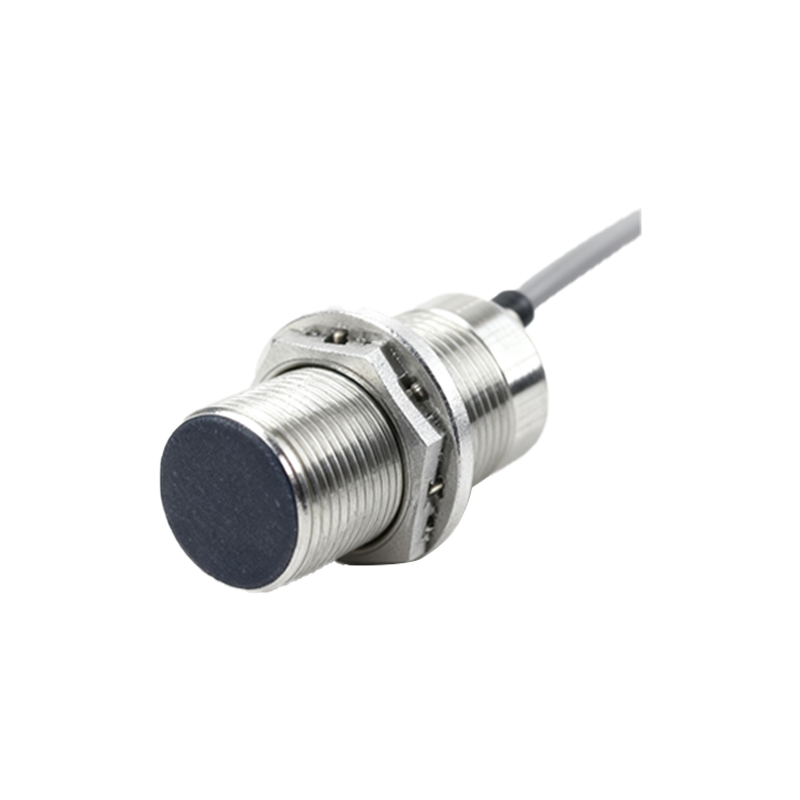
The global proximity sensor market is projected to continue its robust expansion, with estimates suggesting a compound annual growth rate (CAGR) of approximately 7-9% over the next five years. This growth is primarily fueled by the relentless push towards Industry 4.0 and smart manufacturing initiatives worldwide. The demand for automation to enhance productivity, ensure quality control, and improve operational efficiency is a paramount driver. Additionally, the automotive industry's evolution towards electric vehicles (EVs) and advanced driver-assistance systems (ADAS) has created a significant surge in demand for high-precision, reliable proximity sensors. The proliferation of the Internet of Things (IoT) and the need for smart infrastructure further contribute to market expansion, as sensors form the critical sensory layer for data acquisition.
Key Technology Segments and Applications
The market is segmented by technology, each catering to specific application needs. Inductive proximity sensors, which detect metallic objects, dominate industrial manufacturing applications, particularly in machine automation and robotic assembly lines. Capacitive sensors, capable of detecting both metallic and non-metallic materials, are extensively used in liquid level detection, material handling, and touch-sensitive interfaces. Photoelectric sensors offer long-range detection and are vital in packaging, food & beverage, and pharmaceutical industries for object counting and positioning. Ultrasonic sensors, with their ability to function in harsh environments, find applications in distance measurement and presence detection in automotive parking systems and tank level monitoring. The choice of technology is dictated by factors such as target material, required sensing range, environmental conditions, and cost considerations.
Regional Market Analysis and Leading Players
Geographically, the Asia-Pacific region holds the largest market share, attributed to the strong manufacturing base in countries like China, Japan, and South Korea. The region's dominance is reinforced by government policies promoting industrial automation and the presence of major automotive and electronics manufacturers. North America and Europe follow closely, with growth driven by technological innovation and high adoption rates in aerospace, defense, and advanced automotive sectors. Key players in the global proximity sensor market include established giants like Siemens AG, Omron Corporation, Rockwell Automation, Inc., Schneider Electric SE, and Panasonic Corporation. These companies compete on the basis of product innovation, reliability, miniaturization, and integration of smart features like IO-Link communication for enhanced diagnostics and data exchange.
Emerging Trends and Innovations
The proximity sensor landscape is being reshaped by several key trends. Miniaturization is a persistent demand, enabling sensors to be integrated into compact consumer devices and intricate machinery. The development of sensors with enhanced immunity to electromagnetic interference (EMI) and environmental factors like dust, moisture, and extreme temperatures is crucial for rugged applications. There is a growing convergence of sensing technologies, leading to multi-functional sensors that can detect proximity, position, and even color or contrast. Furthermore, the integration of Artificial Intelligence (AI) and machine learning algorithms is beginning to enable predictive maintenance capabilities, where sensors not only detect presence but also analyze operational data to forecast potential failures.
Challenges and Market Restraints
Despite the optimistic outlook, the market faces certain challenges. Price sensitivity, especially in cost-competitive industries and emerging economies, can hinder the adoption of advanced sensor solutions. The complexity of selecting the right sensor for a specific application from a vast array of options can be a barrier for end-users. Additionally, the development and integration of sensors for extreme environments or for detecting novel materials require significant R&D investment. Supply chain disruptions, as witnessed in recent global events, also pose a risk to consistent manufacturing and delivery timelines, affecting market stability.
Future Outlook and Strategic Recommendations
The future of the proximity sensor market appears intrinsically linked to the advancement of automation and digitalization. The growth of collaborative robots (cobots), autonomous mobile robots (AMRs), and smart cities will open new, expansive application avenues. Sensors with embedded intelligence and wireless connectivity will become standard, facilitating their role in IIoT ecosystems. For manufacturers, strategic focus should be on developing application-specific solutions