Introduction to Photoelectric Sensing Technology
Photoelectric sensors are ubiquitous components in modern industrial automation, serving as the eyes of a system. These devices operate on a simple yet powerful principle: they emit a beam of light, typically from an LED or laser diode, and detect changes in the received light signal. The target object's presence, absence, or specific characteristics are determined by how it interacts with this light beam—whether by reflecting it, interrupting it, or allowing it to pass through. This non-contact method of detection offers significant advantages over mechanical limit switches, including higher speed, longer sensing ranges, minimal wear and tear, and the ability to detect a vast array of materials, from metals and plastics to glass and liquids. The core components include an emitter for light generation, a receiver (often a phototransistor or photodiode), and signal processing circuitry to interpret the receiver's output and trigger a switching action.
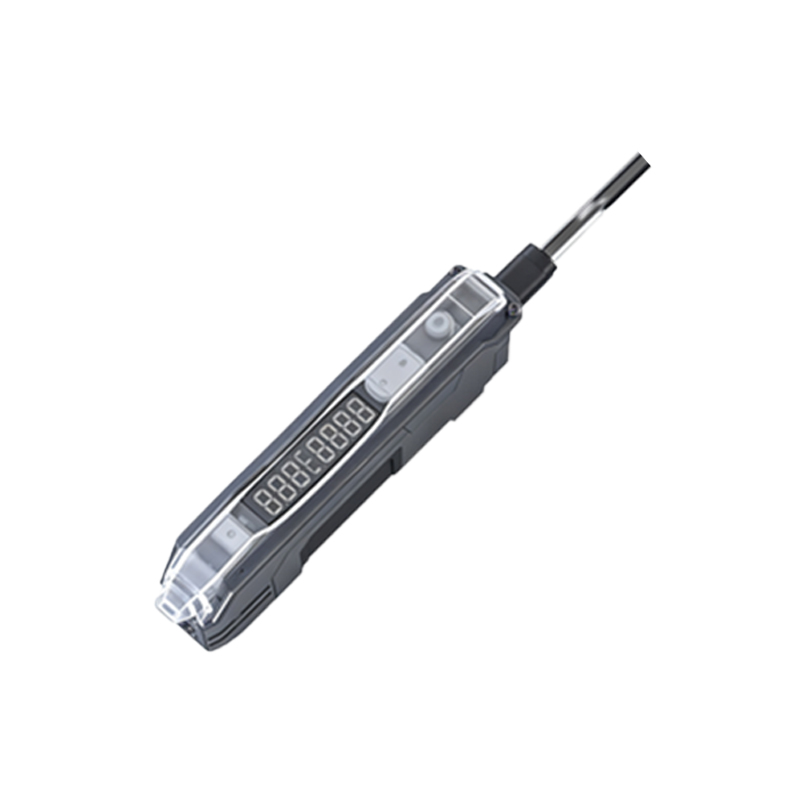
Core Operating Modes and Their Mechanisms
Photoelectric sensors are primarily categorized into three distinct operating modes, each suited for specific application challenges. The first is the through-beam, or opposed mode. This configuration uses separate, physically opposed emitter and receiver units. Detection occurs when the target object breaks the light beam path between them. This mode offers the longest sensing ranges and highest reliability, as it is largely immune to the target's color, reflectivity, or surface finish. The second mode is retro-reflective. Here, the emitter and receiver are housed in the same unit. The sensor emits light towards a dedicated reflector, which bounces the beam directly back to the receiver. A target is detected when it interrupts this return beam. This mode provides a good balance of range and easy alignment. The third, and most versatile, is the diffuse, or proximity, mode. In this setup, the emitter and receiver are also in one housing, but they rely on the target itself to reflect light back. Detection depends on the amount of reflected light received. While highly convenient for installation, its effective range and performance are influenced by the target's color, size, and surface texture.
Key Applications Across Industrial Sectors
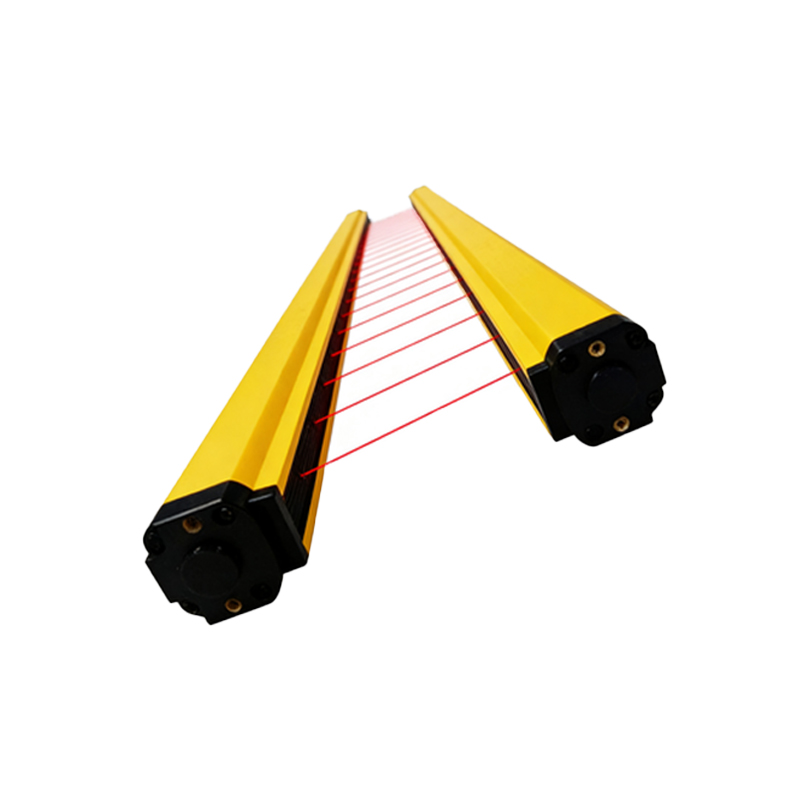
The application landscape for photoelectric sensors is remarkably broad. In packaging and material handling, they are indispensable for object counting on conveyor belts, detecting jams, ensuring proper box flap closure, and verifying label presence. In the automotive industry, they perform precise positioning of robotic arms, confirm part presence in assembly jigs, and inspect for correct component installation. Within electronics manufacturing, these sensors verify the placement of tiny surface-mount devices on PCBs and detect the presence of semiconductor wafers in carriers. In food and beverage processing, they monitor fill levels in bottles and containers, detect transparent films or glass, and ensure cap placement, often utilizing specialized housings resistant to washdowns. Furthermore, in logistics and warehousing, they form the backbone of automated guided vehicle (AGV) navigation and pallet detection in high-bay storage systems.
Critical Selection Criteria for Optimal Performance
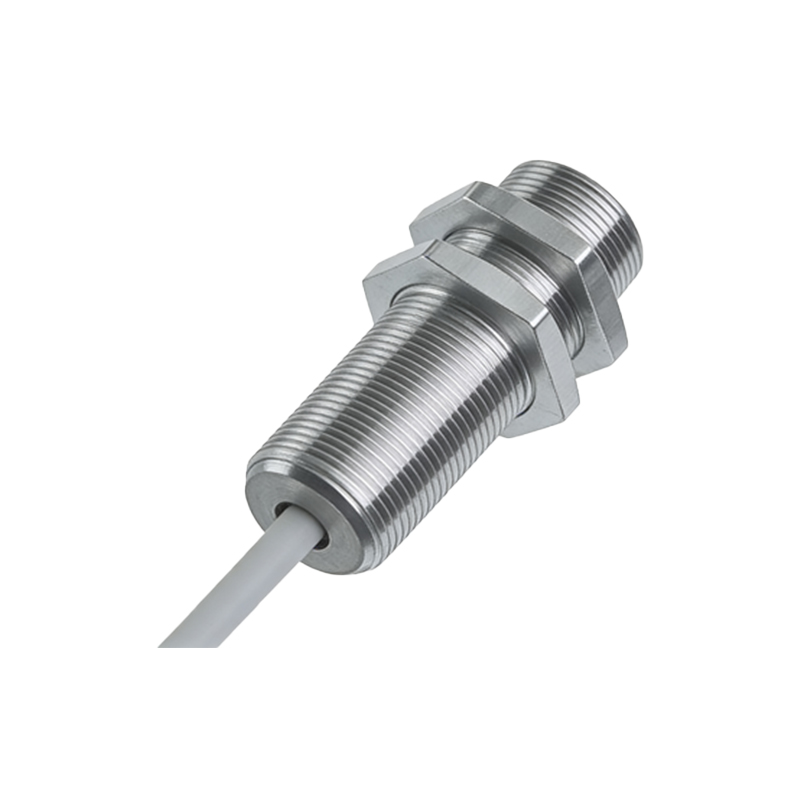
Selecting the right photoelectric sensor requires a careful analysis of several key parameters. Sensing range is fundamental; it must accommodate the required working distance with a sufficient margin. The target properties—its size, color, material, and surface finish (matte, glossy, transparent)—directly influence the choice of sensing mode and sensor type. For instance, detecting a clear glass bottle necessitates a polarized retro-reflective or a background suppression diffuse sensor. The operating environment presents another layer of complexity. Factors such as ambient light (sunlight, welding arcs), temperature extremes, humidity, dust, oil mist, or potential for physical impact dictate the need for specific features like robust metal housings, high IP (Ingress Protection) ratings, specialized optical filters, or temperature-rated components. Finally, the electrical output type (PNP/NPN, analog, IO-Link) and connection method must be compatible with the existing control system, such as a PLC.
Advanced Features and Future Trends
Modern photoelectric sensors incorporate advanced features that solve traditional sensing challenges. Background suppression technology, for example, allows a diffuse sensor to detect an object only within a precise, defined distance, ignoring objects or surfaces beyond that set point, which is crucial for precise positioning. Laser-based models provide a very small, precise spot for detecting minute objects or edges. Sensors with teach-in functionality simplify setup by allowing operators to set detection thresholds with the push of a button. Looking forward, the integration of smart sensor technology is a dominant trend. Sensors with IO-Link communication provide not just a simple on/off signal, but a wealth of diagnostic data—like signal strength, operating temperature, and contamination warnings—enabling predictive maintenance and deeper process insights. Furthermore, the miniaturization of components continues, allowing for smaller sensor designs that fit into increasingly compact machinery.