Introduction to Proximity Sensor Mechanization
Proximity sensors are fundamental components in modern industrial automation, designed to detect the presence or absence of objects without physical contact. Their mechanization refers to the systematic integration and operational principles that enable reliable performance in diverse environments. Standard mechanization involves precise engineering of sensing elements, housing, and output circuits to ensure consistent detection across varying conditions. This foundational approach allows industries to implement sensors for tasks like positioning, counting, and safety monitoring, forming the backbone of automated systems. By adhering to established mechanical and electrical standards, these sensors minimize errors and enhance operational efficiency, making them indispensable in sectors from manufacturing to logistics.
Core Mechanical Design Principles
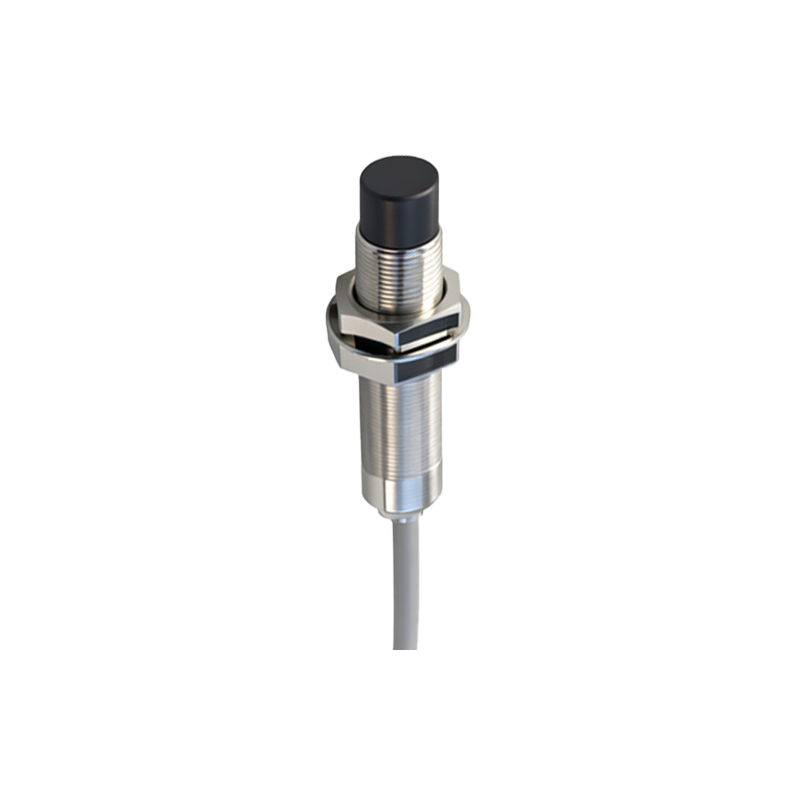
The mechanical design of standard proximity sensors focuses on durability, accuracy, and adaptability. Key elements include robust housings made from materials like stainless steel or PBT plastic, which protect internal components from environmental factors such as moisture, dust, and mechanical stress. Sensing faces are engineered to optimize detection ranges, often incorporating shielding to reduce electromagnetic interference. Additionally, standardized mounting options—such as threaded barrels or bracket systems—facilitate easy installation and alignment. This design ensures that sensors maintain performance under high vibration or temperature fluctuations, critical for applications in harsh industrial settings like automotive assembly lines or heavy machinery.
Electrical Integration and Signal Processing
Electrical mechanization involves the sensor's internal circuitry and output configurations. Standard proximity sensors typically operate on DC or AC power supplies, with output signals in forms like NPN, PNP, or analog voltage. The sensing mechanism, whether inductive, capacitive, or ultrasonic, converts detected object presence into electrical signals processed by integrated amplifiers. This processing includes noise filtering and hysteresis adjustment to prevent false triggers. By following international electrical standards (e.g., IEC 60947-5-2), these sensors ensure compatibility with PLCs and control systems, enabling seamless communication in automated networks for real-time monitoring and decision-making.
Application-Specific Mechanization Variants
Different industrial applications require tailored mechanization approaches. For example, inductive sensors are mechanized with ferrite cores for metal detection in machining, while capacitive variants use electrode plates to sense non-metallic materials in packaging. In high-speed applications, sensors feature reduced response times and enhanced shielding to handle rapid object movement. Explosion-proof mechanization, with reinforced housings and intrinsic safety barriers, is critical for hazardous environments like chemical plants. These variants demonstrate how standard principles are adapted to meet specific operational demands, ensuring reliability across use cases from precision robotics to bulk material handling.
Calibration and Maintenance Protocols
Effective mechanization includes standardized procedures for calibration and upkeep. Sensors are factory-calibrated to specified sensing distances, but field adjustments may involve potentiometers or teach-in functions for fine-tuning. Regular maintenance checks focus on cleaning sensing surfaces, verifying mounting stability, and testing output consistency. Diagnostic features, like LED indicators for status monitoring, aid in troubleshooting. Adhering to maintenance schedules—outlined in manuals from organizations like ISO—prolongs sensor lifespan and prevents downtime, supporting continuous operation in automated production lines where sensor failure can disrupt entire processes.
Future Trends in Sensor Mechanization
Advancements in mechanization are driving smarter, more integrated sensors. Trends include miniaturization for compact spaces, with micro-electromechanical systems (MEMS) enabling smaller form factors without sacrificing range. Wireless connectivity and IoT integration allow sensors to transmit data to cloud platforms for predictive analytics, enhancing proactive maintenance. Additionally, energy-efficient designs reduce power consumption in sustainable operations. As industries embrace Industry 4.0, standard mechanization is evolving to support digital twins and AI-driven automation, promising greater precision and adaptability in future industrial ecosystems.