Enclosure Materials and Durability
The external housing of a photoelectric sensor is its first line of defense, directly influencing its longevity and reliability in diverse operational settings. Industrial-grade sensors predominantly utilize robust materials such as stainless steel (often SUS304 or SUS316 for corrosive environments), engineering plastics like PBT or PPS, and aluminum alloys. These materials are selected for their exceptional resistance to impacts, vibrations, and chemical exposure. A high Ingress Protection (IP) rating, such as IP67 or IP69K, is standard, ensuring complete protection against dust ingress and the ability to withstand high-pressure, high-temperature water jets. This rugged construction is non-negotiable for applications in automotive manufacturing, food and beverage processing, and heavy machinery, where sensors are routinely exposed to coolants, oils, steam, and particulate matter.
Form Factor and Mounting Configurations
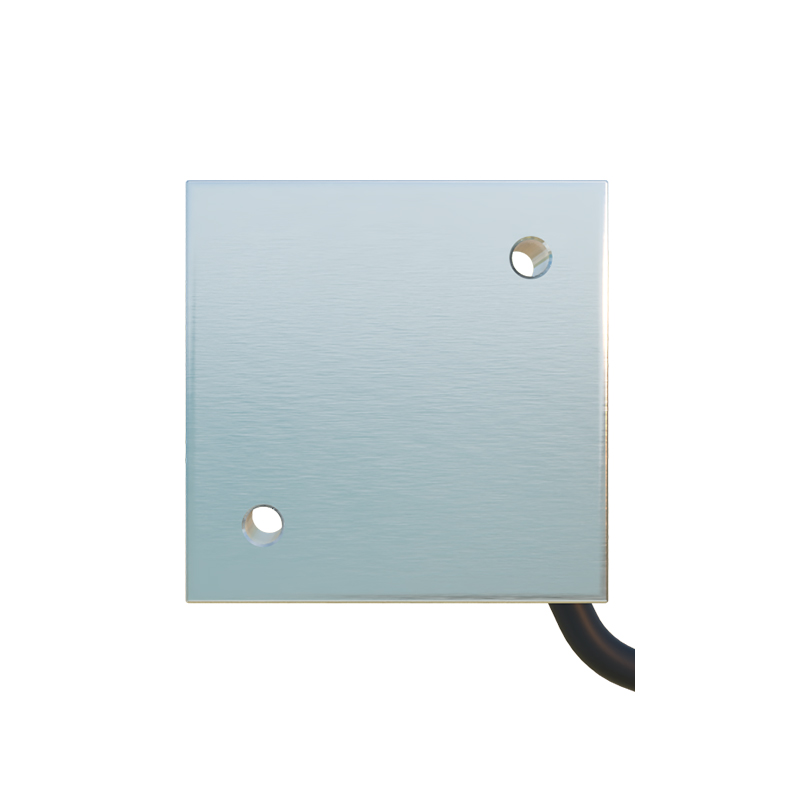
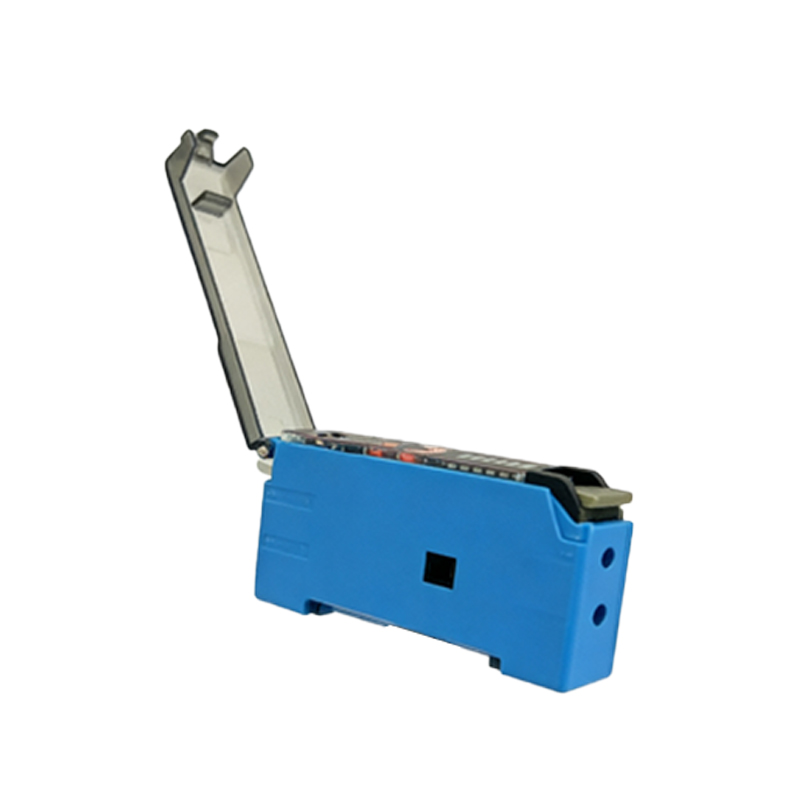
Photoelectric sensors are engineered in a variety of shapes and sizes to solve specific spatial and functional challenges. The most common forms include the cylindrical barrel style, compact rectangular/cubic blocks, and slot-style sensors. Barrel sensors, with their threaded metal or plastic bodies, offer straightforward installation via mounting nuts and are ideal for through-beam and diffuse reflective sensing. Rectangular housings provide multiple pre-drilled holes or standardized slots for versatile bracket mounting, often incorporating status LEDs and teach-in buttons on multiple faces for easy setup. Slot-type sensors, with a built-in U-shaped channel, are purpose-built for precise detection of small objects like tabs, pcb boards, or labels passing through the gap. The design prioritizes not just fit, but also ease of alignment and maintenance access.
Optical Window and Lens Design
The front face, or optical window, is a critical functional element of the sensor's外形. It is typically made from scratch-resistant glass or specialized plastics with anti-fog and anti-static coatings. The lens geometry is meticulously designed based on the sensing mode. For example, a through-beam sensor's emitter and receiver housings have focused, narrow-aperture lenses to create a precise, long-range beam. In contrast, a diffuse reflective sensor with background suppression may feature a larger, curved lens to shape a defined sensing field and eliminate interference from surfaces beyond the target. Some housings incorporate physical sighting aids like through-hole visual indicators or integrated laser pointers for pinpoint alignment, drastically reducing installation time and error.
Cable and Connector Integration
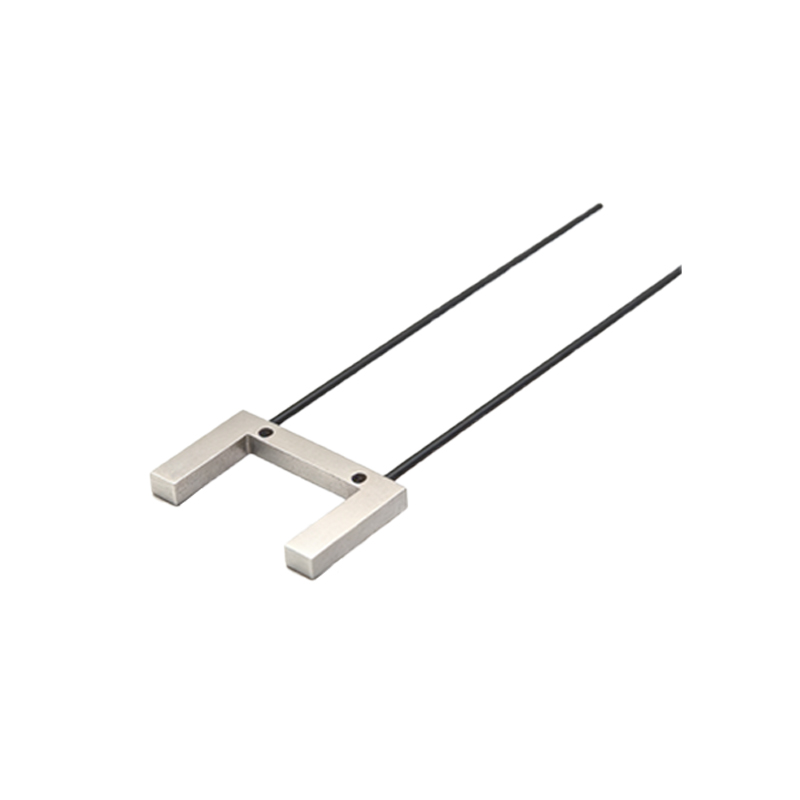
The interface for power and signal output is a key aspect of the physical design. Sensors come in two main variants: pre-wired with a fixed, ruggedized cable or equipped with a quick-disconnect connector (commonly M8 or M12 3-pin, 4-pin, or 5-pin coded types). The cable-integrated design offers a sealed, strain-relieved connection, minimizing failure points, and is often used in high-vibration environments. The connector style, however, provides unparalleled flexibility for pre-assembly, easy replacement, and streamlined cabling in control cabinets. The housing is molded to provide robust strain relief at the cable or connector entry point, preventing wire breakage and maintaining the IP rating. The choice directly impacts installation logistics and long-term maintenance strategies.
Environmental and Functional Add-ons
Beyond the basic shell, the external design often incorporates features for enhanced functionality. This includes built-in mounting brackets that offer pivot or slide adjustments for fine-tuning the sensing angle. For harsh environments, housings may include air purge connections (like a threaded port) that allow a continuous flow of clean air to keep the optical window free of contaminants. In washdown areas, a smooth, crevice-free design prevents bacterial growth. Furthermore, the strategic placement of high-brightness, multi-color LEDs for power, output status, and stability indication is a crucial user interface element, allowing for clear diagnostics from a distance or in poor lighting conditions. These add-ons transform a standard sensor into a solution tailored for specific industry pains.
Industry-Specific Design Variations
The application dictates specialized外形 features. In the packaging industry, sensors feature ultra-compact, low-profile housings to fit into tight machinery spaces for label detection or cap alignment. For logistics and material handling, rectangular sensors with wide-beam optics and ruggedized corners are common for conveyor belt object detection. Food-grade sensors have housings made from FDA-compliant materials like specific polycarbonates, often in white or light blue, with completely smooth surfaces and no niches to facilitate cleaning. In electronic assembly, miniature slot sensors and cylindrical sensors with threaded barrels as small as M4 are used for micro-part positioning. Each variation underscores the principle that the housing is an integral part of the sensor's performance, not just a protective cover.