Understanding Inductive Proximity Sensors
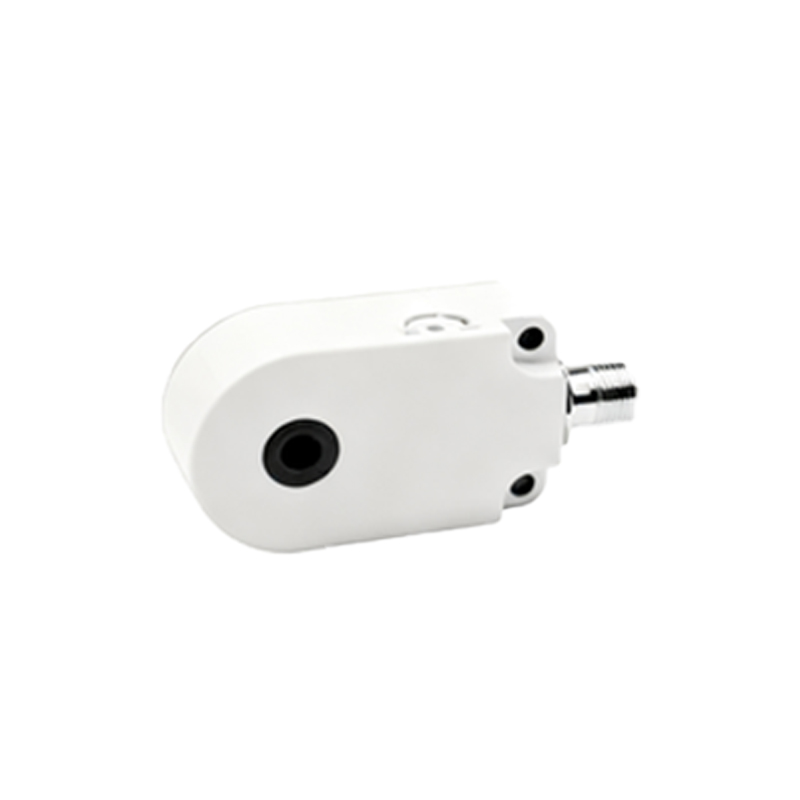
Inductive proximity sensors are non-contact electronic devices used for detecting the presence of metallic objects. Operating on the principle of electromagnetic induction, these sensors generate an oscillating electromagnetic field. When a metallic target enters this field, eddy currents are induced on the target's surface, causing a change in the sensor's oscillation amplitude. This change is detected by the sensor's circuitry, triggering an output signal. Known for their robustness, high switching frequency, and immunity to environmental factors like dust, oil, and moisture, inductive sensors are indispensable in industrial automation, automotive manufacturing, material handling, and machine tooling. Their ability to function without physical contact ensures minimal wear and tear, leading to enhanced reliability and longevity in demanding applications.
Key Criteria for Selecting a Supplier
Choosing the right inductive proximity sensor supplier is critical for operational success. Several factors must be evaluated to ensure a reliable partnership. First, assess the supplier's product range and technical specifications, including sensing distances, housing materials (such as nickel-plated brass or stainless steel), output types (PNP/NPN, NO/NC), and protection ratings (IP67, IP69K). Second, consider the supplier's industry reputation, certifications (like ISO 9001), and quality control processes. Third, evaluate their technical support capabilities, including application engineering assistance and customization options. Fourth, analyze their global logistics network, lead times, and inventory management to guarantee supply chain stability. Finally, cost-effectiveness should be balanced with quality, as opting for cheaper, inferior products can lead to increased downtime and maintenance costs.
Leading Global Suppliers and Their Offerings
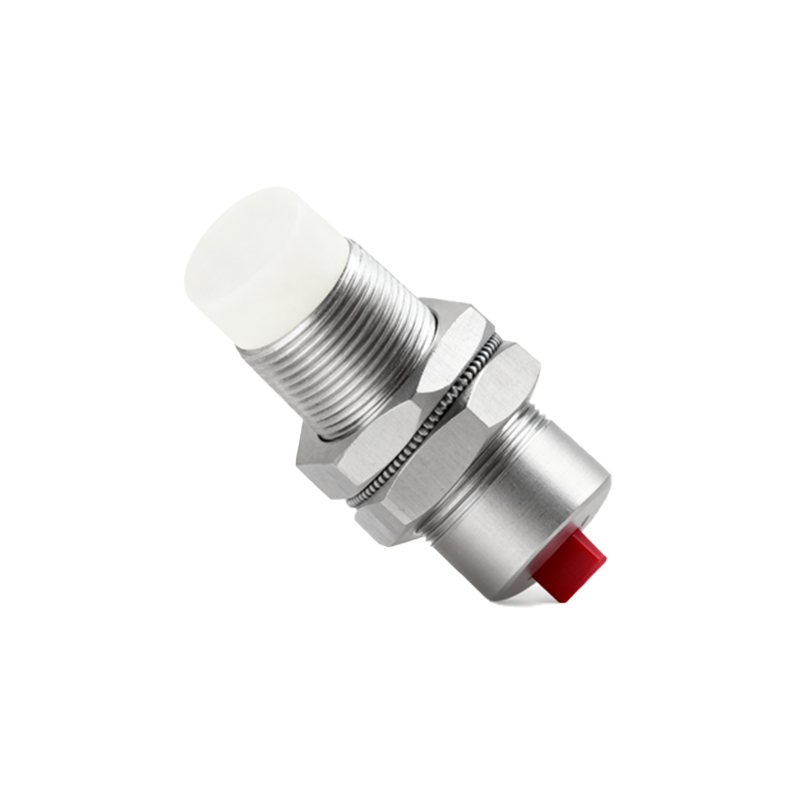
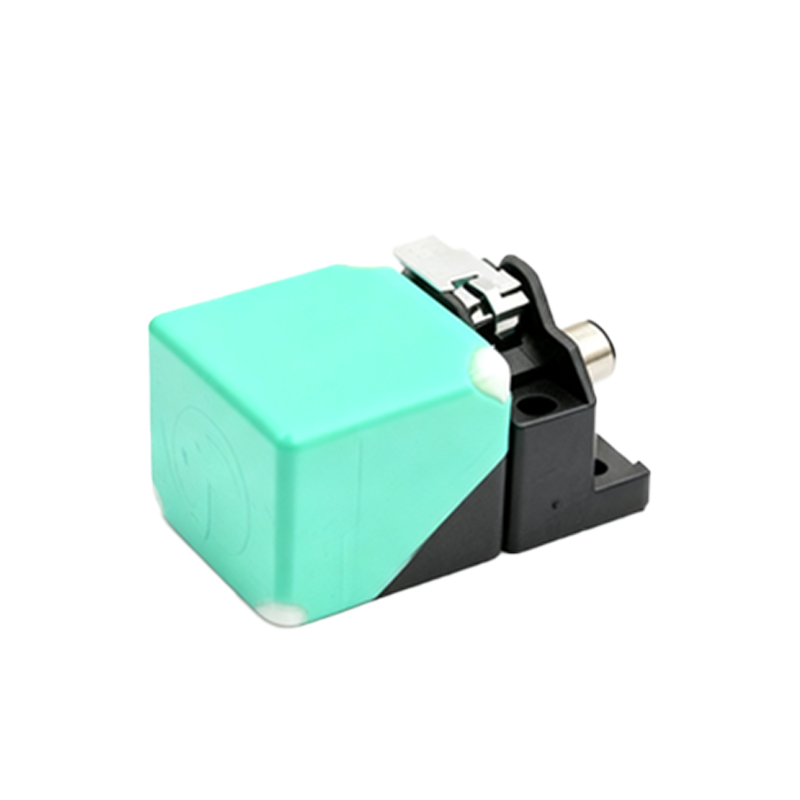
The market for inductive proximity sensors is dominated by several established global suppliers, each with distinct strengths. Siemens offers a comprehensive portfolio known for high precision and integration with automation systems, ideal for complex industrial environments. Pepperl+Fuchs is renowned for its innovative designs, exceptional durability, and extensive range of form factors, catering to harsh conditions. Omron provides reliable sensors with advanced features like noise immunity and temperature stability, popular in automotive and packaging industries. Balluff specializes in high-performance sensors with robust housings and long sensing ranges, often used in machining and material handling. Additionally, regional suppliers and specialized manufacturers offer competitive alternatives, focusing on niche applications or cost-sensitive markets.
Technological Advancements and Market Trends
Recent technological advancements are reshaping the inductive sensor landscape. Miniaturization has led to the development of compact sensors for space-constrained applications, without compromising performance. Enhanced sensing capabilities, such as increased switching frequencies and improved noise resistance, enable faster and more accurate detection in high-speed automation. The integration of IO-Link communication allows for smart sensor functionalities, including parameter adjustment, condition monitoring, and predictive maintenance data transmission. Furthermore, suppliers are focusing on energy-efficient designs and environmentally sustainable materials. Market trends indicate a growing demand for sensors that can withstand extreme temperatures, high pressures, and corrosive environments, driven by industries like oil and gas, food processing, and pharmaceuticals.
Best Practices for Supplier Collaboration
Establishing a successful collaboration with a supplier requires a strategic approach. Begin by clearly defining your application requirements, including environmental conditions, target materials, and performance expectations. Engage in early dialogue with potential suppliers to discuss custom solutions or product adaptations. Request samples for rigorous in-house testing under real operating conditions to validate performance claims. Implement a long-term agreement that outlines quality standards, delivery schedules, and support protocols. Regularly review supplier performance metrics, such as defect rates and on-time delivery, to ensure continuous improvement. Additionally, consider partnering with suppliers who offer training programs or technical workshops, as this can enhance your team's expertise and optimize sensor deployment.
Future Outlook and Strategic Recommendations
The future of inductive proximity sensor supply is poised for growth, fueled by Industry 4.0 and smart manufacturing initiatives. Suppliers are increasingly incorporating IoT connectivity and data analytics capabilities into their products, enabling seamless integration with digital factory systems. For industry professionals, it is advisable to prioritize suppliers who invest in R&D and demonstrate agility in adapting to technological shifts. Diversifying your supplier base can mitigate risks associated with geopolitical or supply chain disruptions. Emphasize partnerships that offer scalability and flexibility to accommodate future expansion or process changes. By staying informed about emerging standards and innovations, you can make informed decisions that enhance operational efficiency, reduce total cost of ownership, and maintain a competitive edge in the evolving industrial landscape.