Introduction to Waterproof Proximity Sensors
Waterproof proximity sensors are critical components in modern industrial automation, designed to detect the presence or absence of objects without physical contact. Their defining characteristic is the ingress protection (IP) rating, typically IP67 or higher, which ensures reliable operation in harsh environments exposed to moisture, dust, oils, and coolants. These sensors utilize various technologies, including inductive, capacitive, and ultrasonic principles, to perform tasks ranging from simple object detection to complex positioning in assembly lines, food processing, marine applications, and outdoor machinery. The demand for robust, maintenance-free sensing solutions has propelled the waterproof proximity sensor into a staple of industrial design, where failure due to environmental factors is not an option. Understanding their cost structure begins with recognizing the engineering and materials required to achieve this durability.
Key Factors Influencing Factory Pricing
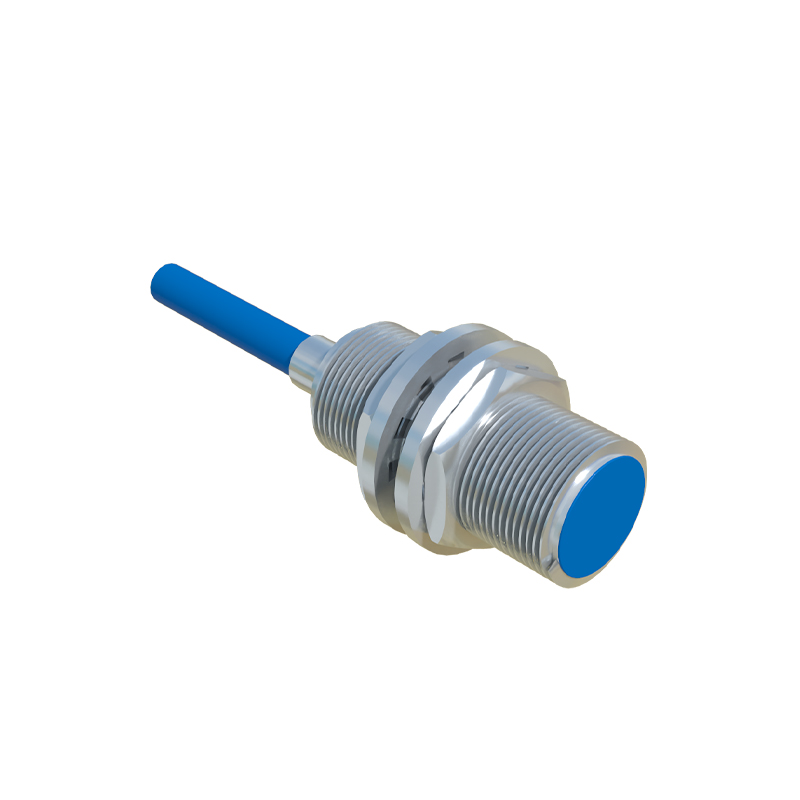
The factory price of a waterproof proximity sensor is not a single figure but a spectrum determined by a confluence of technical and commercial factors. Sensor technology forms the primary cost driver; inductive sensors for metal detection are generally more cost-effective than capacitive models for non-metallic materials or ultrasonic variants for longer ranges. The IP rating is paramount—achieving IP68 or IP69K requires specialized seals, housing materials like stainless steel or PBT plastic, and rigorous testing, all adding to the unit cost. Sensing range and accuracy also play a role; a sensor with a 15mm range is typically less expensive than one with a 40mm range. Additional features such as embedded diagnostics, IO-Link communication, or specific approvals (e.g., FDA for food industry) introduce further complexity and cost. Finally, order volume exerts tremendous influence, with per-unit prices dropping significantly for large-scale OEM contracts compared to small-batch purchases.
Breakdown of Manufacturing and Component Costs
A detailed cost analysis reveals the composition of the factory price. The core sensing element—the oscillator coil in an inductive sensor or the transducer in an ultrasonic sensor—represents a significant portion of the Bill of Materials (BOM). The housing, machined from brass or stainless steel for high durability, is another major cost center. The potting compound used to seal the electronics from moisture and vibration is a specialized material contributing to the cost. The internal electronics, including the ASIC (Application-Specific Integrated Circuit) that governs sensing and output, vary in price based on functionality. Labor costs for assembly, particularly for the precise sealing processes, and the capital expenditure for automated calibration and testing equipment are factored into the final price. Economies of scale allow manufacturers to amortize these fixed costs over larger production runs, reducing the per-sensor cost.
Market Price Range and Comparative Analysis
In the current global market, the factory price for a standard M18 or M30 threaded inductive waterproof proximity sensor (IP67) can range from as low as $15 to $50 per unit for high-volume orders of basic models. More specialized models, such as long-range ultrasonic sensors or those with high-grade stainless steel housings and advanced connectivity, can command prices from $50 to $150 or more. It is crucial to compare prices not just on a unit basis but on total cost of ownership. A slightly higher initial factory price for a sensor with superior sealing and construction often translates to vastly reduced downtime and replacement costs in the field. Furthermore, pricing varies by region, with established manufacturers in Europe and North America typically at a premium compared to some Asian suppliers, though often with differences in quality consistency and technical support.
Strategies for Sourcing at Competitive Factory Prices
Procuring waterproof proximity sensors at optimal factory prices requires a strategic approach. For large OEMs, engaging directly with manufacturers for long-term framework agreements locks in favorable pricing and ensures supply chain stability. For smaller buyers, leveraging authorized distributors who aggregate demand can provide access to near-factory prices. Requesting detailed quotations based on exact technical specifications (IP rating, housing material, output type, cable length) is essential for accurate comparison. Consider the value of value-added services; some factories offer custom labeling, packaging, or slight design modifications at minimal extra cost. Finally, evaluating the supplier's reputation for quality control and after-sales support is critical, as a low initial price is meaningless if it leads to operational failures and production stoppages.
Future Trends Impacting Cost and Availability
The factory pricing landscape for waterproof proximity sensors is dynamic, influenced by several forward-looking trends. The integration of Industrial IoT (IIoT) capabilities, such as built-in Ethernet or wireless connectivity, is adding cost but also immense value, enabling predictive maintenance. Advances in semiconductor manufacturing may reduce the cost of core electronic components over time. However, fluctuations in raw material costs, particularly for metals and plastics, and global supply