Understanding Photoelectric Sensor Fundamentals
In industrial automation, precise positioning is a cornerstone of efficiency, quality control, and safety. Photoelectric sensors, which operate by detecting the presence, absence, or distance of an object using a light beam, are indispensable tools for this task. Their non-contact nature ensures no wear and tear on the sensor or the target, making them ideal for high-speed, repetitive operations. The core principle involves an emitter that projects a light beam—often visible red, infrared, or laser—and a receiver that detects changes in the received light signal. These changes, caused by an object interrupting or reflecting the beam, are converted into an electrical output switch signal. For positioning, the sensor's role is to provide a precise, repeatable signal indicating when an object has reached a specific point in a process, such as on a conveyor line, within a robotic cell, or at a machining station. Selecting the correct sensor type is not a one-size-fits-all decision; it requires a detailed analysis of the application's specific demands.
Key Sensor Types for Positioning Tasks
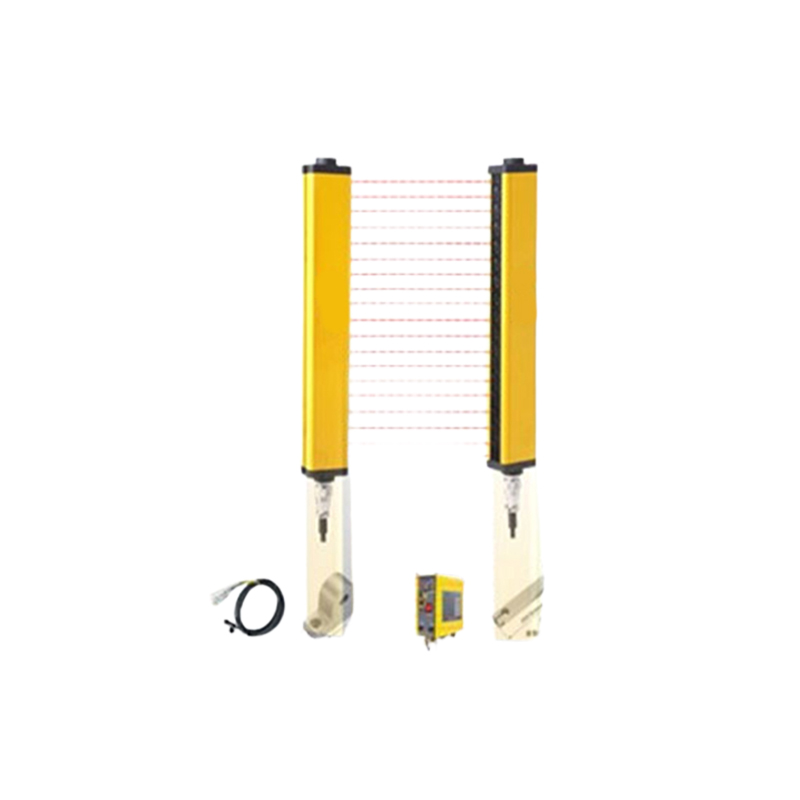
Three primary photoelectric sensor configurations dominate positioning applications, each with distinct advantages. Through-beam sensors, consisting of separate emitter and receiver units, offer the longest sensing ranges and highest reliability. They are excellent for precise positioning where the object passes between the two units, providing a very strong signal. However, their requirement for two mounting points and precise alignment can be a drawback in space-constrained environments. Retro-reflective sensors house both emitter and receiver in one housing, bouncing the beam off a reflector. They provide a good sensing range and simplify wiring, but the object itself must break the beam. For positioning shiny or reflective objects, careful configuration is needed to avoid false triggers. Diffuse (proximity) sensors are the most compact, as they detect light reflected directly from the target object. They are perfect for close-range positioning and detecting objects of varying colors or surface finishes, though sensing distance is shorter and more susceptible to the target's reflectivity.
Critical Selection Criteria: Beyond the Basic Type
Choosing the optimal sensor involves evaluating several technical parameters. Sensing range is paramount; it must accommodate the required distance between the sensor and the target position. For long-range positioning of small objects, a focused laser-based sensor might be necessary. Response time, the speed at which the sensor can detect a change and switch its output, is critical for high-speed production lines. A slow sensor will cause positioning inaccuracies. The size and material of the target object directly influence the choice. Small, dark, or transparent objects pose a challenge and may require a sensor with a focused beam or background suppression technology. Environmental conditions such as dust, mist, vibration, or ambient light interference must be mitigated. Sensors with robust housings (IP67/IP69K ratings), specific light wavelengths (e.g., infrared to cut through dust), or modulated LED light to ignore ambient light are essential for reliable positioning in harsh industrial settings.
Advanced Features for Enhanced Precision
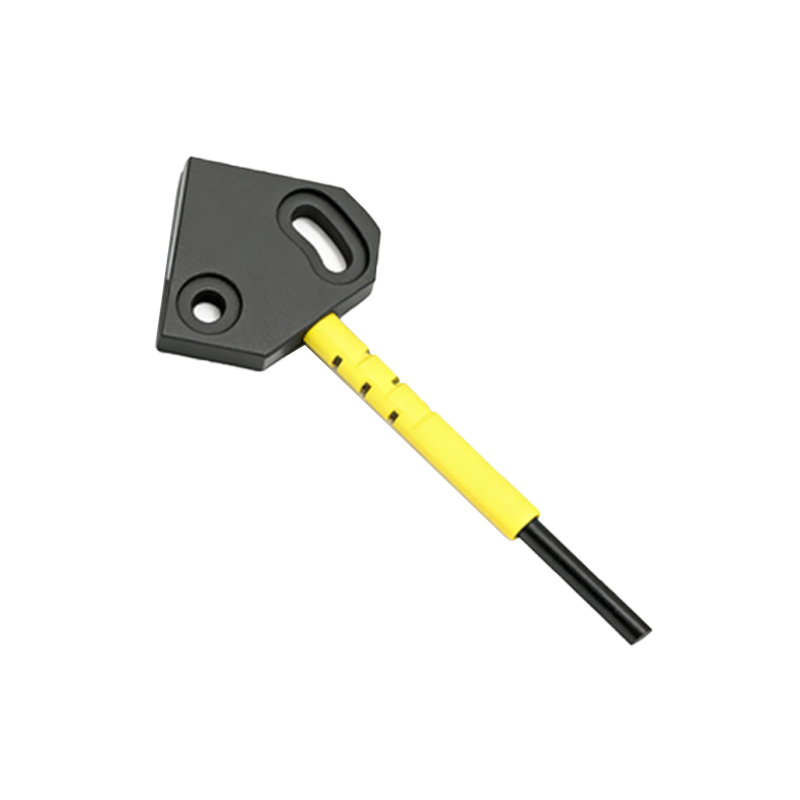
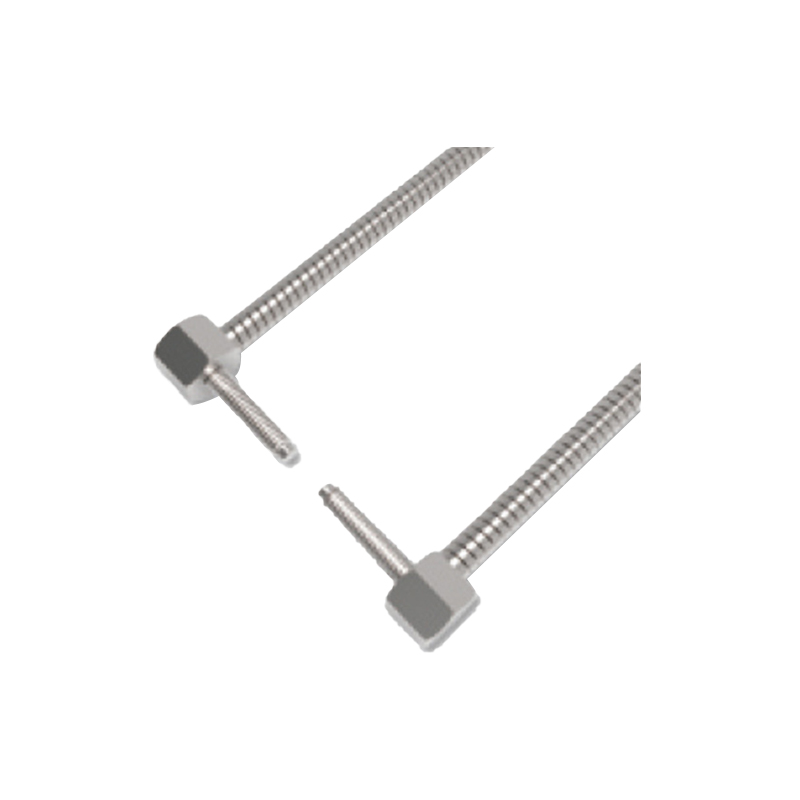
Modern photoelectric sensors incorporate sophisticated features to solve complex positioning challenges. Background suppression (BGS) technology, particularly in diffuse sensors, allows them to detect an object only within a precise, predefined distance, ignoring anything beyond it. This is invaluable for positioning objects on a conveyor regardless of color or against a variable background. Contrast sensors are specialized for detecting minute differences in contrast, such as a mark on a package, to trigger a precise positioning event. Fiber optic sensors, which use flexible light guides connected to a remote amplifier, enable positioning in extremely hot, cold, or cramped locations where a standard sensor cannot fit. Finally, sensors with analog output or IO-Link communication provide not just a simple on/off signal for position, but continuous distance data, enabling more advanced control and monitoring of the positioning process.
Application-Specific Recommendations
For conveyor belt positioning where the goal is to stop a package at a specific point for labeling or palletizing, a through-beam or retro-reflective sensor placed at the exact stop point is often the most reliable choice. In robotic pick-and-place cells, small, fast diffuse or background suppression sensors are used to confirm the presence and precise position of a component in a gripper or on a fixture. For detecting the edge of a material web (like paper or metal) to maintain alignment—a critical positioning task—a focused, opposed-mode laser sensor provides the necessary accuracy. In automated assembly, sensors with built-in logic or timing functions can be used for sequential positioning, ensuring one part is correctly placed before the next operation begins. Always prototype the sensor in the actual application environment to validate its performance before full-scale deployment.
Installation and Maintenance Best Practices
Even the best sensor will fail if improperly installed. Precise mechanical alignment is crucial, especially for through-beam and retro-reflective types. Use mounting brackets that minimize vibration. Ensure the sensor's lens remains clean and free from obstructions; built-in sensitivity indicators or alignment aids are valuable tools. Electrical installation must follow guidelines for voltage supply, load connection, and proper shielding to prevent electrical noise interference, which can cause erratic positioning signals. Implement a routine preventive maintenance schedule to check lens cleanliness, mechanical stability, and output signal integrity. Keeping a log of sensor performance can help predict failures before they cause costly production downtime. Training maintenance personnel on the specific sensors in use is a key investment in long-term positioning reliability.