Introduction to the M4 Proximity Sensor
The M4 series proximity sensor represents a cornerstone in modern industrial automation, specifically engineered for precise non-contact detection. Characterized by its compact cylindrical housing, this inductive sensor is designed to reliably detect metallic objects within a defined range. The 6-10mm monitoring distance specification is a critical performance parameter, indicating its optimal operational sensing field. This range is not arbitrary; it is meticulously calibrated to provide a balance between detection security, installation tolerance, and immunity to environmental interference. Engineers rely on this predictable and stable sensing window to ensure repeatable machine cycles and process consistency in high-speed assembly, packaging, and material handling applications.
Technical Principle of Inductive Sensing
At the core of the M4 sensor's operation is the principle of electromagnetic induction. The sensor generates a high-frequency oscillating electromagnetic field from its active face. When a ferrous or non-ferrous metal target enters this field within the 6-10mm range, eddy currents are induced on the target's surface. This causes a measurable change in the oscillation amplitude within the sensor's internal LC circuit. The integrated electronics continuously monitor this change. Once the disturbance reaches a predetermined threshold—corresponding to the effective sensing distance—the sensor's solid-state output switches state, sending a clear signal to the programmable logic controller (PLC). This entire process occurs without physical contact, eliminating mechanical wear.
Key Features and Specifications
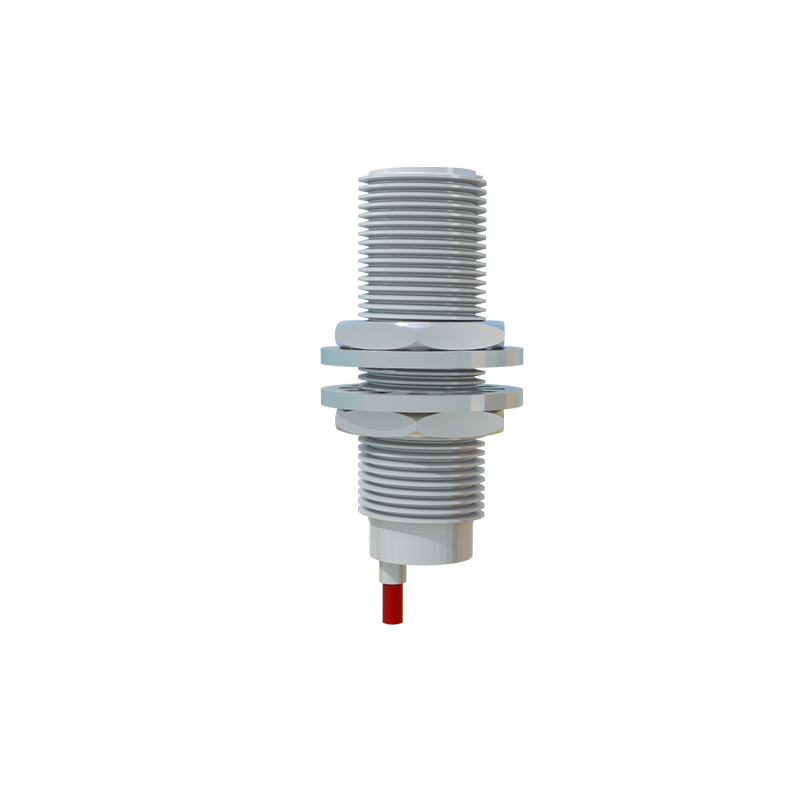
The defining feature of the M4 proximity sensor is its rated operating distance (Sn) of 6-10mm, typically standardized at 8mm. Key specifications include a stable switching frequency, allowing for detection of rapidly moving objects. It offers various output configurations such as PNP (sourcing) or NPN (sinking), normally open (NO) or normally closed (NC), to interface seamlessly with different control systems. Built with a robust housing, often from nickel-plated brass or stainless steel, it boasts high ingress protection ratings like IP67, making it resistant to dust, coolants, and temporary immersion. The sensor also features short-circuit and reverse polarity protection, enhancing its durability in demanding electrical environments.
Installation and Alignment Considerations
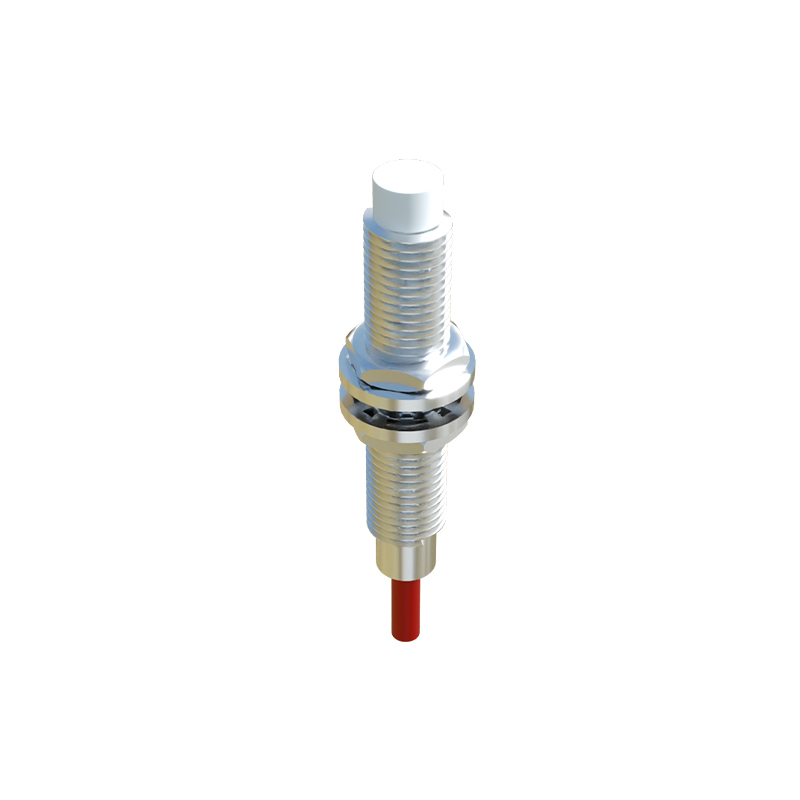
Correct installation is paramount to achieving the specified 6-10mm monitoring performance. The sensor must be mounted securely to minimize vibration, which can affect sensing stability. The recommended installation distance between multiple sensors must be observed to prevent mutual interference. For optimal performance, the target should approach the sensor's active face axially. Factors such as target material, size, and shape directly influence the effective sensing distance; a standard mild steel square target of a defined size is used for rating. Engineers must account for temperature variations, as extreme temperatures can slightly alter the sensing characteristics, though high-quality M4 sensors include temperature compensation.
Application Scenarios in Industry
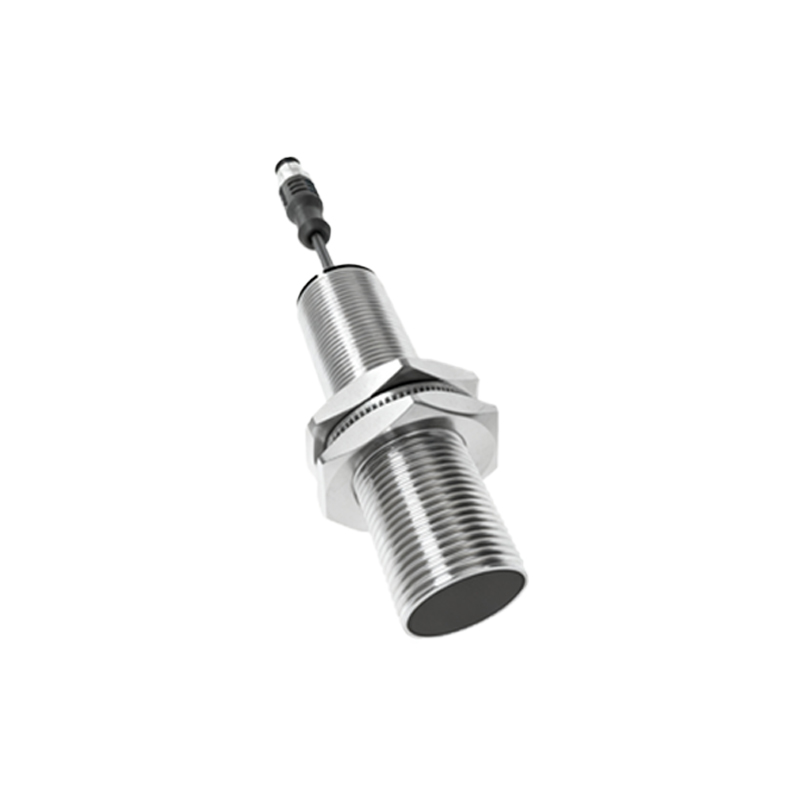
The 6-10mm sensing range of the M4 sensor makes it exceptionally versatile. Common applications include position verification of pneumatic cylinder pistons using built-in magnets or metal flags. In conveyor systems, it detects the presence of metal parts or pallets for sorting and counting. It serves as an end-of-travel limit switch in machine tools, providing precise feedback without the wear associated with mechanical levers. Within automated packaging machinery, these sensors monitor the position of cams, shafts, and metal components to synchronize operations. Their reliability in dirty or wet environments also makes them suitable for primary industries and automotive manufacturing lines.
Advantages Over Mechanical Switches
Utilizing an M4 proximity sensor offers significant advantages compared to traditional mechanical limit switches. The absence of physical contact means no moving parts to wear out, leading to a dramatically longer operational lifespan and reduced maintenance costs. The non-contact operation allows for extremely high switching speeds, enabling detection in fast-paced automation. Furthermore, it provides consistent and accurate switching at the exact same point within its 6-10mm range, unaffected by mechanical bounce. This reliability translates into fewer machine stoppages, higher product quality, and increased overall equipment effectiveness (OEE).
Troubleshooting and Maintenance Tips
While highly reliable, proper maintenance ensures sustained performance. Regular checks should verify the sensor is clean and free of metallic debris buildup on the sensing face. The mounting should remain tight, and cabling should be inspected for damage. If a sensor fails to detect, verify the target is within the 6-10mm range, is of sufficient size and material, and is approaching correctly. Use a multimeter to check for output signal and correct supply voltage. Leveraging the sensor's LED status indicator is a quick diagnostic step. Implementing preventive maintenance schedules to test sensor functionality can prevent unplanned downtime in critical processes.