Introduction to Inductive Proximity Sensing
The GX-H15A represents a specific implementation within the broad category of inductive proximity sensors, a cornerstone technology in modern industrial automation. These non-contact devices operate on the principle of electromagnetic induction to detect the presence of metallic objects. At its core, the sensor generates a high-frequency oscillating electromagnetic field via a coil and ferrite core within its sensing face. When a conductive metal target enters this field, eddy currents are induced on the target's surface. This causes a measurable change in the oscillation amplitude within the sensor's internal circuit, which is then processed to trigger a solid-state switching output. This fundamental principle allows for reliable, wear-free detection, making sensors like the GX-H15A indispensable for tasks such as position verification, counting, and end-of-travel detection in machinery.
Key Specifications and Performance Parameters of GX-H15A
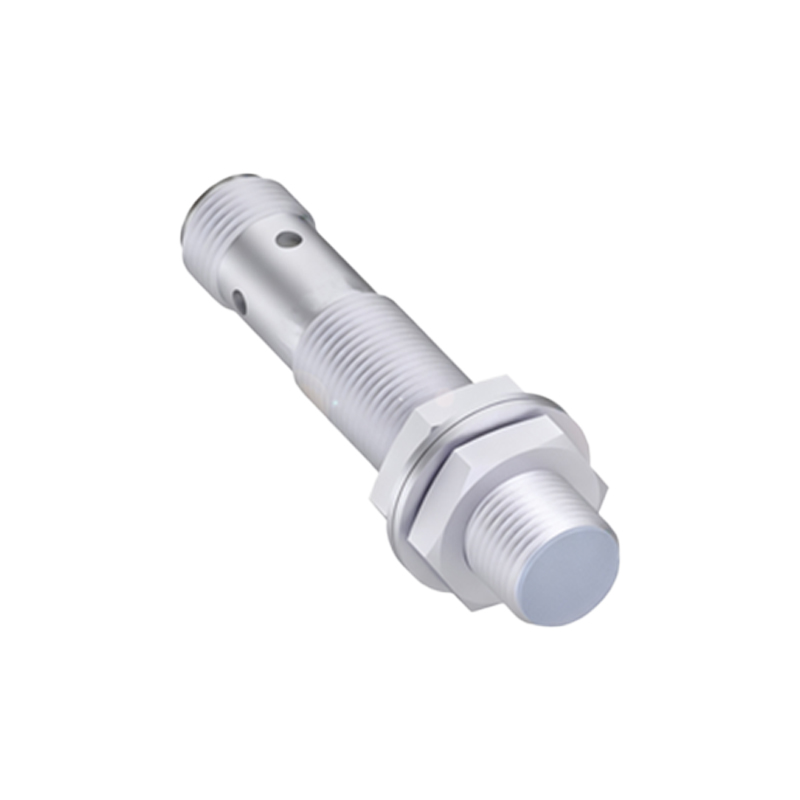
The GX-H15A is engineered for robust performance in demanding environments. A critical specification is its nominal sensing distance, typically 1.5mm for a standard mild steel target. It is crucial to note that this distance can vary with different metals; for instance, the effective sensing range for stainless steel or aluminum is often reduced due to their lower magnetic permeability and conductivity. The sensor features a shielded (flush-mountable) design, allowing it to be installed flush within a metal bracket without affecting its sensing field. Its operating voltage range commonly spans from 10-30V DC, providing compatibility with standard industrial control voltages. The output is typically a 3-wire configuration (brown: +V, blue: 0V, black: output) with either a PNP (sourcing) or NPN (sinking) transistor switch, capable of driving loads up to 200mA. Key performance metrics include a high switching frequency, often exceeding 1kHz, enabling detection of rapidly moving parts, and a tight hysteresis band to ensure precise and repeatable switching points.
Environmental Robustness and Protection Ratings
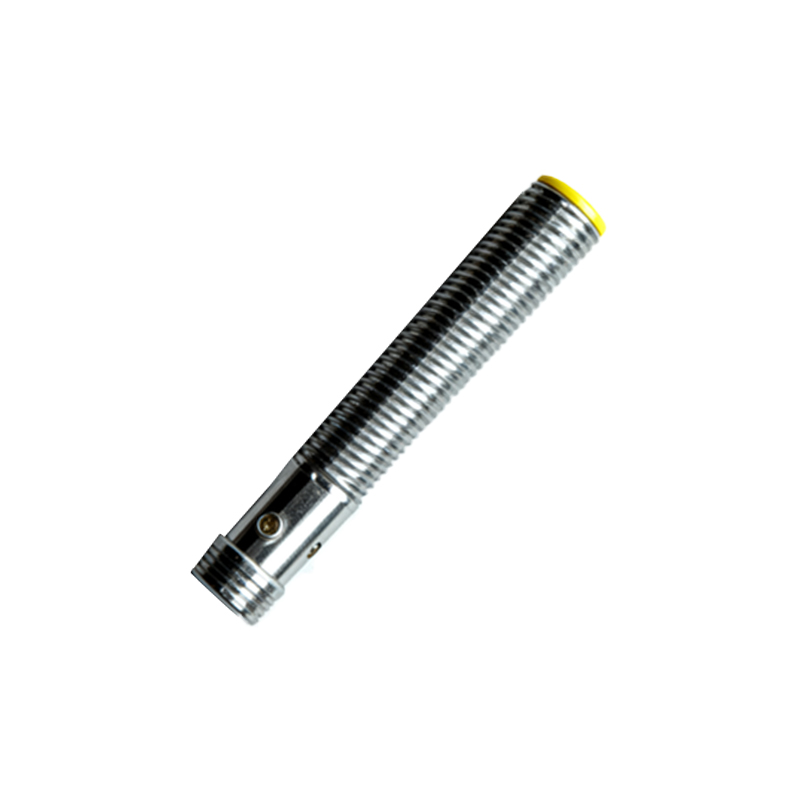
Industrial settings expose equipment to harsh conditions, and the GX-H15A is built to withstand them. A defining characteristic is its ingress protection rating, commonly achieving IP67. This signifies complete protection against dust ingress and the ability to withstand temporary immersion in water up to 1 meter for 30 minutes. The housing is typically constructed from nickel-plated brass or high-grade stainless steel, offering excellent resistance to corrosion, oils, and coolants. Furthermore, the sensor incorporates advanced circuitry designed for high immunity to electromagnetic interference (EMI) and voltage spikes commonly found on factory floors. This robust construction ensures long-term operational stability and minimizes downtime, even in challenging applications like machine tools, material handling systems, and automated assembly lines.
Installation Considerations and Wiring Practices
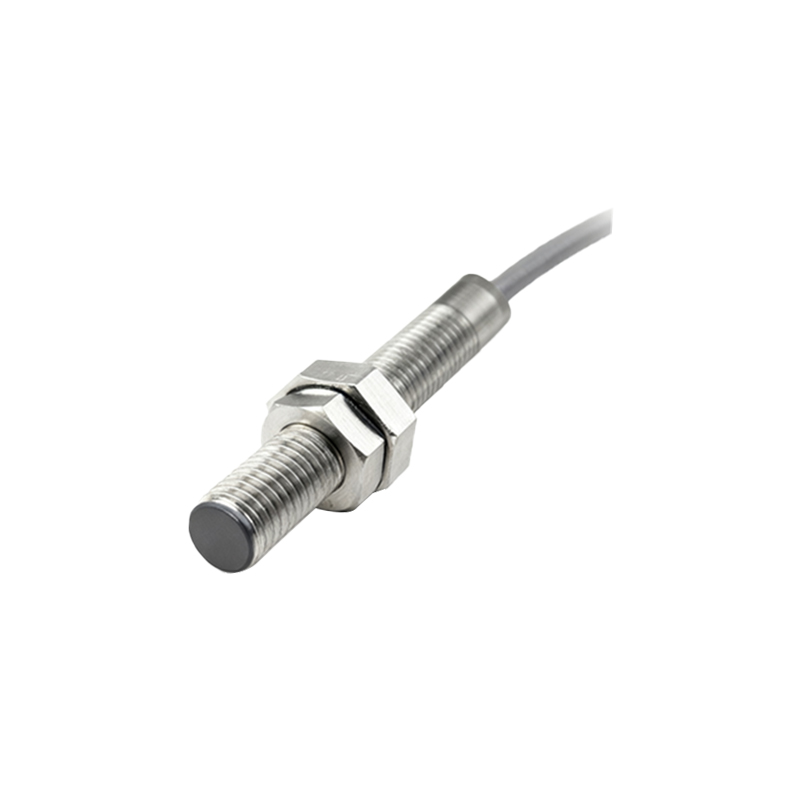
Correct installation is paramount for optimal performance and longevity of the GX-H15A. Due to its shielded design, it can be mounted flush with surrounding metal without loss of sensing distance. However, maintaining the recommended lateral clearance from adjacent metal structures is essential to prevent false triggering. The sensing face must be kept clean from buildup of metallic swarf, grease, or other contaminants. For wiring, adherence to the manufacturer's color code is critical. Proper grounding of the sensor body and the use of shielded cables in high-noise environments are strongly recommended. To protect the output transistor from inductive load kickback, such as from a relay coil, the use of a flyback diode or a surge absorber across the load is a standard industry practice. Ensuring a stable, clean power supply within the specified voltage range is also fundamental.
Application Scenarios and Selection Guidance
The GX-H15A finds its niche in applications requiring the detection of small metallic objects at a short, precise range. Common use cases include detecting the presence of a metal pin in a fixture, verifying the closed position of a small metal door or latch, counting metallic teeth on a gear, or serving as a limit switch on compact machinery. When selecting this or any proximity sensor, engineers must consider several factors beyond just the sensing distance: the target material (steel, brass, aluminum), target size and shape, required response speed, environmental conditions (temperature, chemicals), and the electrical characteristics of the load. For non-metallic object detection, a capacitive sensor would be required. Always consulting the detailed datasheet for the specific GX-H15A model is essential to confirm its exact parameters match the application requirements.
Troubleshooting Common Operational Issues
Even with a reliable sensor like the GX-H15A, issues may arise. A frequent problem is failure to detect the target. This can be caused by the target being outside the effective sensing range, using an unsuitable