Introduction to Small Photoelectric Sensors
Small photoelectric sensors are fundamental components in modern industrial automation, offering precise detection capabilities in compact form factors. These devices operate by emitting a light beam, typically from an LED, and detecting changes in the received light caused by the presence, absence, or characteristics of a target object. Their national proliferation across various manufacturing and processing sectors underscores their critical role in enhancing efficiency, safety, and quality control. The miniaturization of these sensors, without compromising performance, has been a key driver in their widespread adoption, enabling integration into increasingly sophisticated and space-constrained machinery and robotic systems.
Core Operating Principles and Technologies
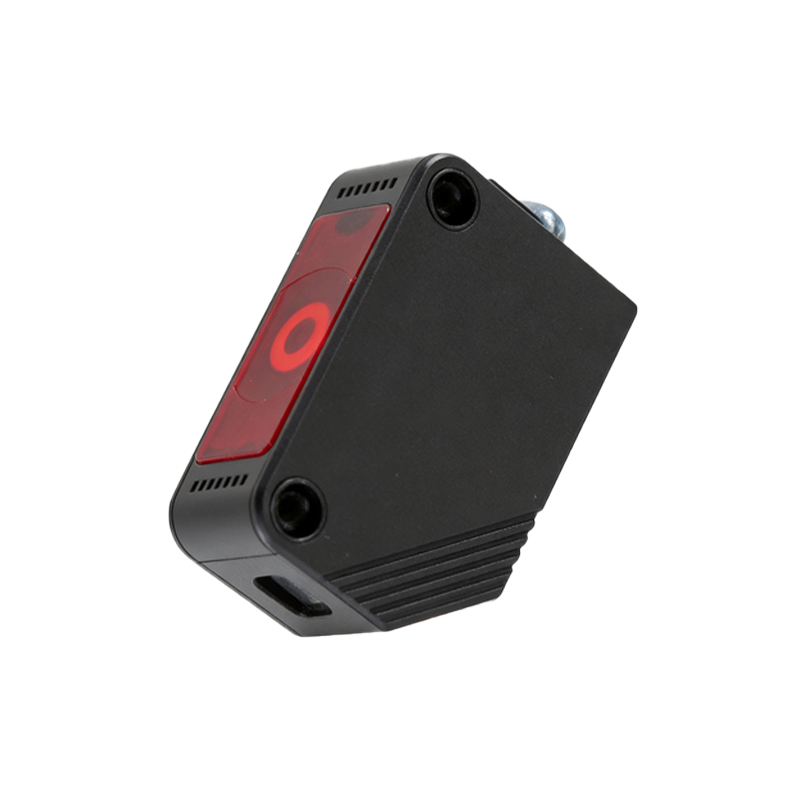
The functionality of small photoelectric sensors is based on three primary sensing modes: through-beam, retro-reflective, and diffuse reflective. Through-beam sensors consist of separate emitter and receiver units, offering the longest sensing ranges and highest reliability. Retro-reflective types use a single housing with both emitter and receiver, relying on a reflector to bounce the light beam back, making them ideal for detecting objects that interrupt the beam. Diffuse reflective sensors detect light reflected directly from the target object itself, providing a simpler installation process. Advancements in technology have led to the development of background suppression and fixed-field sensors, which can ignore objects beyond a set distance, and fiber optic models that allow sensing in extreme environments.
Key Advantages and Performance Characteristics
The national deployment of these compact sensors is largely due to their distinct advantages. Their small size allows for installation in locations previously inaccessible to larger sensors. They offer high-speed response times, crucial for high-throughput production lines, and possess excellent resolution for detecting minute objects. Modern small photoelectric sensors are designed to be highly resistant to environmental interference such as ambient light, dust, and vibration. Many feature built-in diagnostics, such as stability indicators or IO-Link communication, which facilitate predictive maintenance and seamless integration into Industry 4.0 and smart factory networks, reducing downtime and operational costs.
Diverse Industrial Applications
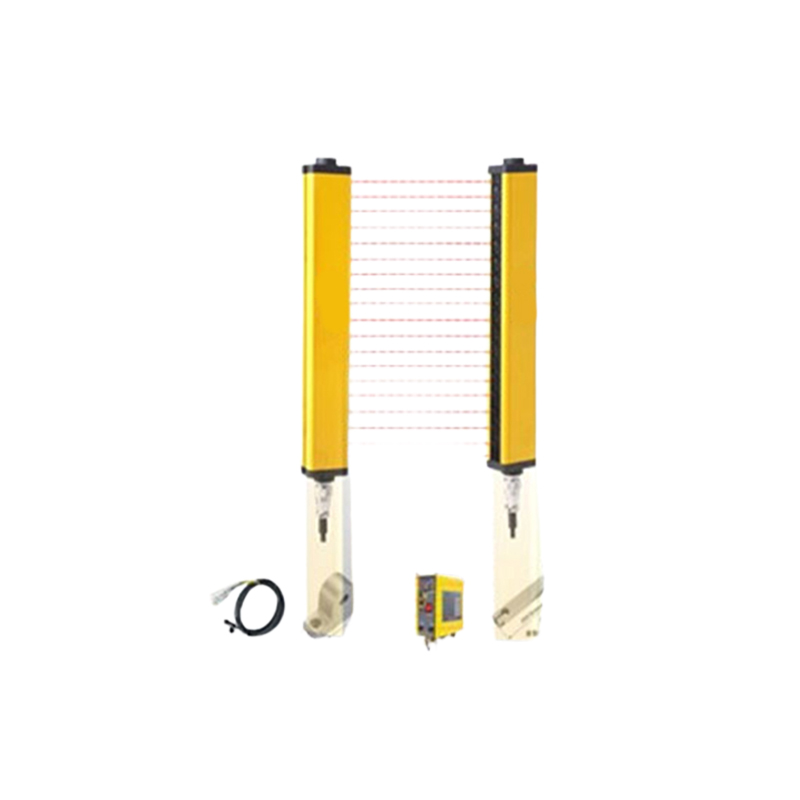
Applications for national small photoelectric sensors are vast and varied. In the packaging industry, they are indispensable for detecting labels, counting products, and verifying fill levels on high-speed bottling lines. Within automotive assembly, they ensure precise part positioning, robot guidance, and weld seam inspection. The electronics sector relies on them for PCB board presence verification and component alignment. Furthermore, they play a vital role in material handling for object detection on conveyors, in pharmaceutical production for pill counting and packaging verification, and in food and beverage for ensuring container integrity and safety.
Selection Criteria and Installation Best Practices
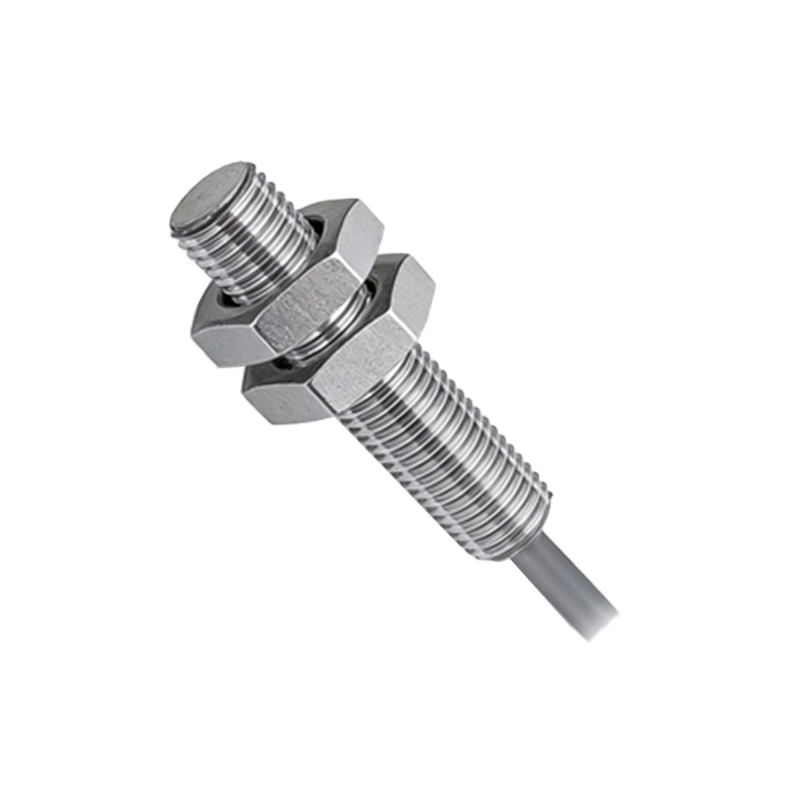
Selecting the appropriate small photoelectric sensor requires careful consideration of several factors. The sensing range, size of the target object, and required response time are primary technical parameters. The operating environment dictates the necessary ingress protection (IP) rating for resistance to dust and water, as well as the housing material to withstand chemicals or temperature extremes. Electrical output type (PNP/NPN, analog, relay) must match the control system. Proper installation is equally critical; ensuring correct alignment, avoiding sensor saturation from highly reflective targets, and minimizing the effects of background objects are essential steps to guarantee reliable and long-term operation.
Future Trends and Market Outlook
The future of the national small photoelectric sensor market is shaped by ongoing technological innovation. The integration of smarter functionalities, like advanced diagnostics and wireless connectivity, is becoming standard. There is a growing demand for sensors with even smaller footprints and lower power consumption to serve portable and battery-operated devices. The convergence of sensing with data analytics and artificial intelligence will enable more predictive and adaptive control systems. As industries worldwide continue to automate and digitize their processes, the demand for robust, intelligent, and miniature photoelectric sensors is projected to experience sustained growth, solidifying their status as a cornerstone of industrial automation.