Market Overview and Current Pricing Landscape
The global market for high-temperature proximity sensors is experiencing dynamic shifts, driven by increasing demand from heavy industries such as steel manufacturing, automotive, aerospace, and energy production. These sensors, designed to operate reliably in environments exceeding 150°C and often up to 200°C or more, command a premium over standard industrial sensors. Current price points vary significantly based on technology, specifications, and brand. Entry-level inductive or capacitive sensors rated for around 150°C can start from $50 to $150 per unit. For more demanding applications requiring operation above 200°C, often utilizing specialized technologies like high-temperature piezoresistive or optical designs, prices typically range from $200 to $600 per unit. Highly customized solutions for extreme environments, such as those in turbine monitoring or deep-well drilling, can exceed $1,000. The market is characterized by a tiered structure, with established global brands like Pepperl+Fuchs, Siemens, and Balluff occupying the higher price segment, offering robust reliability and extensive support, while regional manufacturers and emerging suppliers provide more cost-competitive options.
Key Factors Influencing Sensor Costs
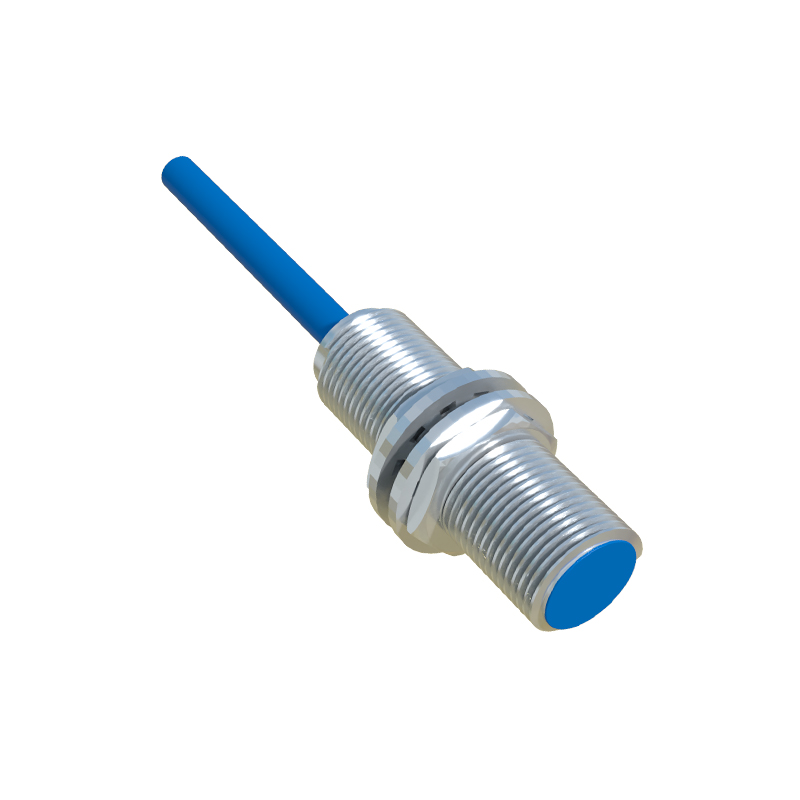
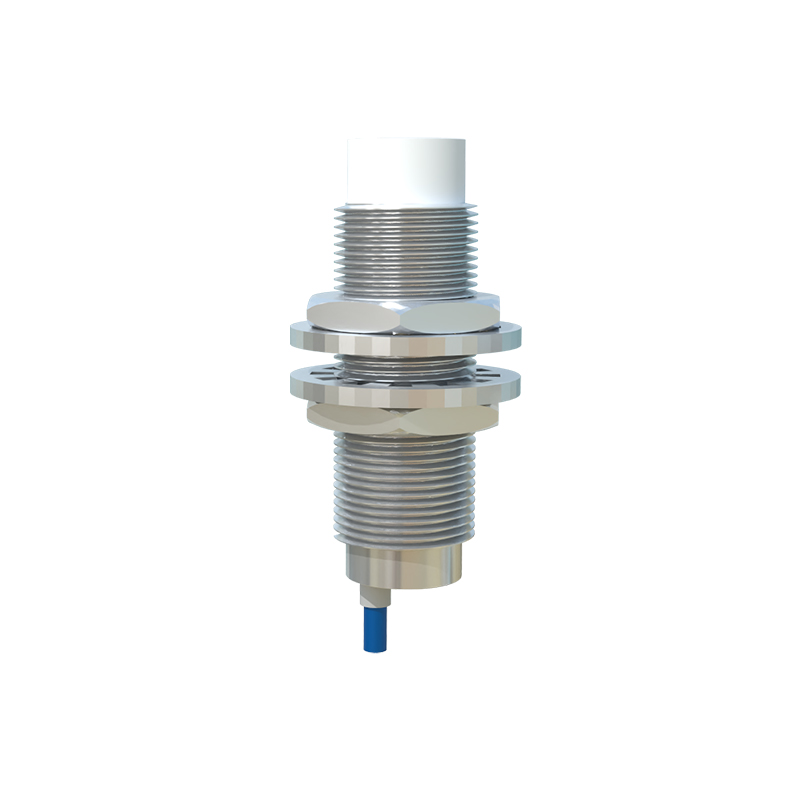
Several critical factors directly impact the final price of a high-temperature proximity sensor. The primary cost driver is the sensing technology itself. Inductive sensors with high-temperature coils and specialized housing materials are common but have limits. More advanced technologies, such as Fiber Optic or Magnetoinductive sensors, which can withstand temperatures over 300°C, involve complex manufacturing and rare materials, leading to higher costs. The housing material is equally crucial; stainless steel (e.g., 316L) is standard, but the use of Inconel, Hastelloy, or ceramic components for superior corrosion and heat resistance adds substantial expense. Additionally, protection ratings (IP67/IP69K), certification requirements (ATEX, IECEx for hazardous areas), sensing range, output type (PNP/NPN, analog, IO-Link), and connection types (pre-wired cables vs. connectors) all contribute to the final price. Long-term durability and reduced maintenance needs often justify a higher initial investment.
Regional Price Variations and Supply Chain Dynamics
Geographical location plays a significant role in pricing due to variations in manufacturing costs, import duties, and local market competition. North America and Western Europe traditionally have higher price points, reflecting stronger adherence to quality standards, higher labor costs, and the presence of premium brands. The Asia-Pacific region, particularly China and India, offers a wide range of options at lower price points due to concentrated manufacturing hubs and lower production costs. However, supply chain disruptions, fluctuations in raw material costs (especially for metals and semiconductors), and international logistics expenses have introduced volatility. Lead times also affect effective cost; standard sensors may be readily available, while custom high-temperature units can have lead times of 12-20 weeks, potentially incurring expediting fees.
Industry-Specific Demand and Price Sensitivity
Price sensitivity varies dramatically across different end-user industries. In capital-intensive sectors like oil & gas and power generation, where equipment failure can lead to catastrophic downtime and safety hazards, buyers are less price-sensitive and prioritize sensor reliability, accuracy, and longevity. They are willing to pay a premium for certified, brand-name products. Conversely, in competitive manufacturing segments like automotive parts production or foundries, there is constant pressure to reduce per-unit costs, leading to a higher demand for mid-range or value-engineered sensors. This bifurcation encourages suppliers to offer differentiated product lines to cater to both the high-reliability and cost-effectiveness segments of the market.
Future Price Trends and Technological Impact
Looking forward, the price trajectory for high-temperature proximity sensors is expected to be influenced by opposing forces. On one hand, advancements in material science (e.g., improved high-temperature plastics, advanced ceramics) and miniaturization of electronics could gradually reduce production costs for certain sensor types. The increasing adoption of Industrial IoT (IIoT) and smart sensors with embedded diagnostics may see a convergence where the added functionality offsets potential base price reductions. On the other hand, rising global standards for safety, energy efficiency, and emissions control will continue to push for higher-performance sensors, potentially sustaining or increasing prices for top-tier products. Market analysts predict moderate overall price stabilization with a gradual decline in the cost of entry-level and mid-range sensors, while premium, ultra-high-temperature, and smart-connected sensors will maintain their value.