Understanding Long-Range Proximity Sensor Specifications
Before initiating a purchase, it is crucial to define your technical requirements precisely. Long-range proximity sensors are not a one-size-fits-all solution. Key specifications include sensing distance, which can range from several centimeters to over 50 meters depending on the technology (inductive, capacitive, ultrasonic, or photoelectric). The target material, required output type (PNP/NPN, analog, IO-Link), environmental factors like temperature, dust, and moisture (IP rating), and response time are equally critical. A clear specification sheet will streamline your search and ensure compatibility with your application, whether it's for warehouse vehicle detection, large conveyor systems, or outdoor level monitoring.
Major Industrial Distributors and Catalogs
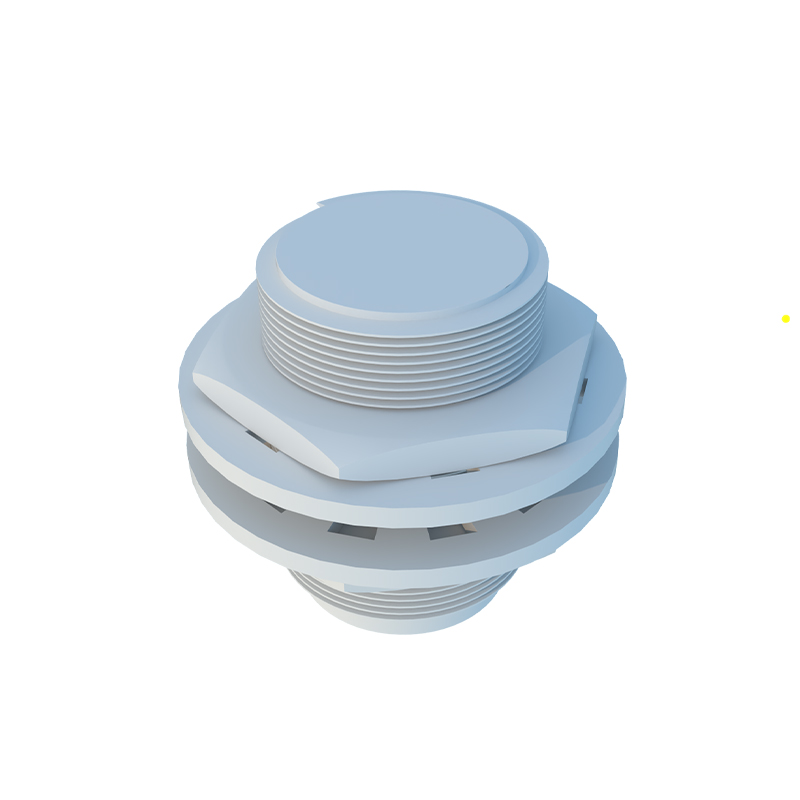
For reliable and fast procurement, established global industrial distributors are the primary channel. Companies like Digi-Key Electronics, Mouser Electronics, and RS Components offer vast online catalogs featuring sensors from hundreds of manufacturers. Their platforms allow for detailed parametric filtering, enabling you to narrow down options by sensing range, technology, and package type. These distributors excel in providing datasheets, CAD models, and stock availability in real-time. For North American markets, Allied Electronics & Automation and Newark are also prominent. They are ideal for prototyping, small-batch orders, or urgent replacements with robust logistics networks.
Direct Sourcing from Manufacturer Portals
For large-scale projects or when requiring deep technical support, purchasing directly from the manufacturer is advisable. Leading sensor manufacturers such as Sick AG, Pepperl+Fuchs, Omron, Balluff, and ifm electronic maintain comprehensive e-commerce portals. Buying direct ensures you receive the latest product versions, full manufacturer warranties, and access to application engineers. This route is beneficial when you need customization, detailed application consulting, or are integrating sensors into a larger OEM system. Manufacturers often provide volume pricing, detailed white papers, and configuration tools unavailable through third-party distributors.
Specialized Automation and Sensor Suppliers
Beyond broad-line distributors, consider suppliers specializing in automation components. Companies like AutomationDirect, Turck, and Banner Engineering focus specifically on sensors, PLCs, and industrial controls. These suppliers often provide strong value propositions, with competitive pricing on their own branded products or curated selections from other manufacturers. They are particularly knowledgeable about challenging applications and can offer practical advice. Their product lines are frequently designed for ease of integration and come with excellent technical documentation and application examples tailored to factory automation.
Evaluating Online Marketplaces and Supplier Vetting
Platforms like Amazon Business or Alibaba present a wide array of options, including lower-cost alternatives. While they can be sources for generic or budget sensors, extreme caution is required. Scrutinize supplier ratings, customer reviews, and claimed specifications. Always request sample units for rigorous testing before committing to a bulk order. Key vetting points include verifying CE/RoHS certifications, checking the authenticity of the brand, and assessing the quality of technical support. For non-critical applications or cost-sensitive projects, this channel can be viable, but due diligence is paramount to avoid counterfeit components or performance inconsistencies.
Key Considerations for Final Procurement Decision
The final buying decision should balance technical performance, total cost of ownership, and supply chain reliability. Evaluate not just the unit price, but also lead times, minimum order quantities (MOQs), shipping costs, and return policies. Consider the supplier's ability to provide ongoing support and future availability of the same model. For critical installations, establish a relationship with a trusted supplier or manufacturer representative who understands your operational needs. A reliable supply chain is as important as the sensor's performance data on the datasheet, ensuring minimal downtime and long-term project sustainability.