Introduction to Photoelectric Sensor Switch Boxes
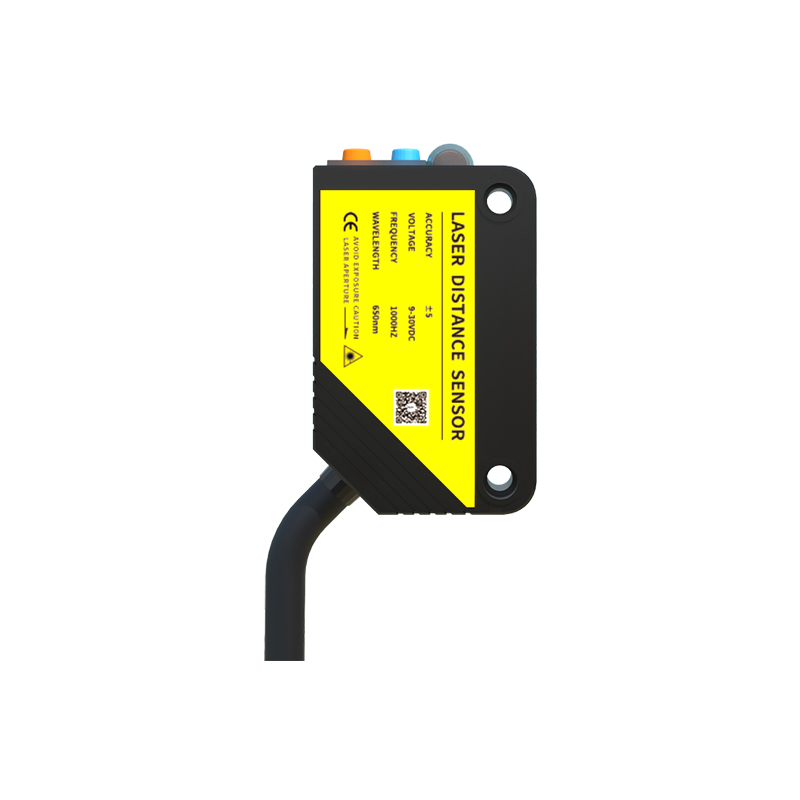
Photoelectric sensor switch boxes are critical components in industrial automation and electrical control systems. These devices integrate photoelectric sensors with protective enclosures and switching circuitry to detect the presence, absence, or position of objects without physical contact. By emitting a beam of light—typically infrared, visible, or laser—and analyzing the reflected or interrupted signal, these sensors provide precise data to control machinery, manage processes, and enhance safety. The switch box houses the sensor, connects it to power sources, and interfaces with controllers like PLCs (Programmable Logic Controllers), ensuring reliable operation in demanding environments such as manufacturing floors, packaging lines, and material handling systems. Their non-contact nature minimizes wear and tear, reduces maintenance costs, and improves system longevity.
Core Functions and Operational Principles
The primary function of a photoelectric sensor switch box is to convert light-based detection into electrical signals for control purposes. It operates on three main principles: through-beam, retro-reflective, and diffuse reflection. In through-beam setups, an emitter and receiver are placed opposite each other; an object interrupting the light beam triggers a switch. Retro-reflective systems use a reflector to bounce light back to the receiver, with detection occurring when the beam is blocked. Diffuse reflection models rely on light bouncing directly off the target object. The switch box amplifies and processes these signals, often incorporating timers, counters, or logic functions to adjust sensitivity and delay settings. This enables applications like object counting, level monitoring, and edge detection, with high accuracy even in dusty or humid conditions.
Key Benefits in Electrical System Integration
Integrating photoelectric sensor switch boxes into electrical cabinets and control panels offers significant advantages. They enhance system reliability by providing fast, repeatable responses—often in milliseconds—which is crucial for high-speed automation. Their immunity to electrical noise and ability to detect a wide range of materials, including metals, plastics, and liquids, make them versatile across industries. Additionally, these boxes simplify wiring and maintenance: pre-wired enclosures reduce installation time, while LED indicators facilitate troubleshooting. By isolating sensitive electronics from harsh environments, they protect against dust, moisture, and mechanical impacts, complying with IP (Ingress Protection) ratings such as IP67 for durability. This integration supports energy efficiency, as sensors only activate machinery when needed, reducing power consumption.
Applications in Industrial and Commercial Settings
Photoelectric sensor switch boxes are ubiquitous in various sectors. In manufacturing, they automate assembly lines by detecting part positions or triggering robotic arms. In logistics, they count packages on conveyor belts or monitor warehouse inventory levels. Commercial buildings use them for security systems, such as door access control or intrusion detection, and for energy management, like turning lights on/off based on occupancy. Their role in safety is paramount; for instance, they can halt equipment if a worker enters a hazardous zone, aligning with OSHA (Occupational Safety and Health Administration) standards. With advancements in IoT (Internet of Things), these boxes now enable remote monitoring and data analytics, allowing predictive maintenance and real-time system optimization.
Selection Criteria and Installation Best Practices
Choosing the right photoelectric sensor switch box involves considering factors like sensing range, response time, and environmental resistance. For long-range detection up to several meters, laser-based sensors are ideal, while diffuse types suit shorter distances. The box material—often polycarbonate or stainless steel—should match the operating conditions, such as corrosive or high-temperature areas. Electrical specifications, including voltage ratings (e.g., 12-24V DC or 110-240V AC) and output types (e.g., NPN/PNP transistors or relay contacts), must align with the control system. During installation, ensure proper alignment of sensors to avoid false triggers, and use shielded cables to prevent electromagnetic interference. Regular calibration and cleaning of lenses maintain accuracy, with many modern boxes offering self-diagnostic features to alert users to issues like lens contamination or signal degradation.
Future Trends and Technological Advancements
The evolution of photoelectric sensor switch boxes is driven by smart manufacturing and Industry 4.0 initiatives. Emerging trends include miniaturization for compact spaces, enhanced connectivity via Ethernet/IP or IO-Link for seamless data exchange, and improved sensitivity with background suppression technology to ignore irrelevant objects. AI (Artificial Intelligence) integration allows adaptive learning for complex detection tasks, while energy-harvesting designs reduce dependency on external power. As industries prioritize sustainability and efficiency, these boxes will become more integral to automated systems, offering higher precision and lower lifecycle costs. Engineers should stay updated on standards like IEC (International Electrotechnical Commission) regulations to ensure compliance and leverage these innovations for optimized performance.