Introduction to Eddy Current Sensing Technology
Eddy current proximity sensors represent a cornerstone of non-contact measurement in modern industrial automation. Operating on the principle of electromagnetic induction, these devices generate a high-frequency oscillating magnetic field from an active coil. When this field interacts with a conductive target, such as a metal tank wall or a float, it induces circulating currents, known as eddy currents, within the target material. The sensor's electronics then detect changes in the oscillation amplitude or frequency caused by the presence and proximity of these eddy currents. This fundamental mechanism allows for precise detection without physical contact, making it exceptionally reliable for monitoring liquid levels in challenging environments where media may be corrosive, under high pressure, or at extreme temperatures.
Core Function in Liquid Level Detection
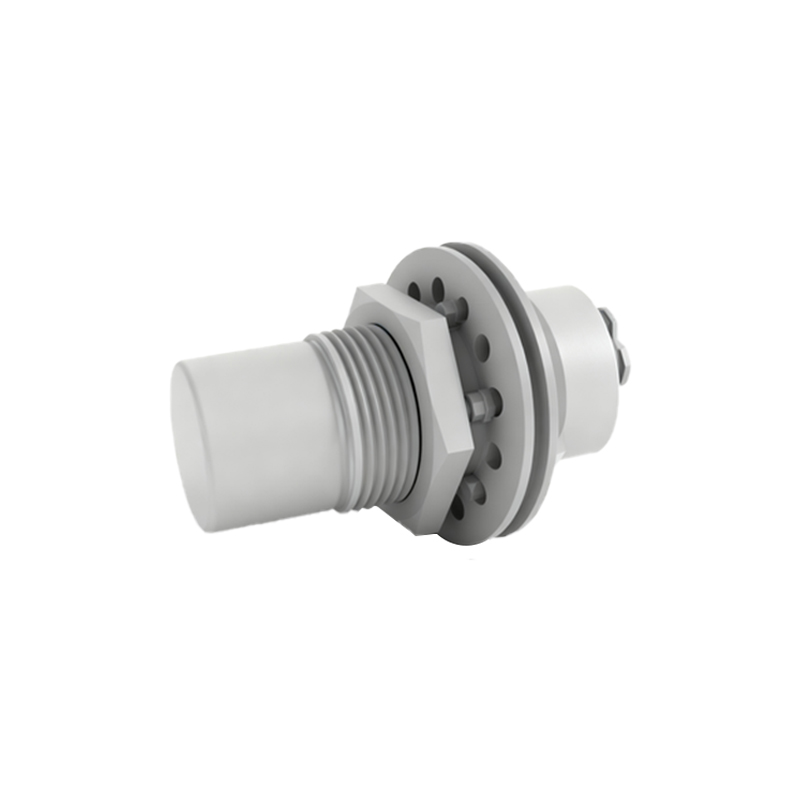
The primary role of a liquid level proximity eddy current sensor is to determine the presence or absence of a conductive material at a predefined point. In liquid level applications, this is typically achieved through two main configurations. The first involves mounting the sensor externally on a non-metallic tank wall to detect the rise or fall of the liquid itself, provided the liquid is sufficiently conductive. The second, and more common method, uses the sensor to detect the position of a metallic float or a conductive marker attached to a displacer inside the vessel. As the liquid level changes, the float moves, bringing the target closer to or farther from the sensor face. The sensor outputs a discrete signal—often a switch from PNP to NPN or a change in relay state—when the target enters its sensing range, triggering alarms, pump controls, or valve actuators.
Advantages Over Alternative Sensing Methods
Liquid level proximity eddy current sensors offer distinct benefits that make them preferable in specific scenarios. Their non-contact nature eliminates issues related to mechanical wear, sticking, or seal failure common with float switches. They are immune to problems caused by viscosity, coating, or fouling that can plague capacitive or optical sensors. Since the sensing is electromagnetic, they perform reliably regardless of ambient light conditions, dust, steam, or non-conductive contaminants. Furthermore, they can operate through non-metallic tank walls, enabling completely sealed and hygienic installations without the need for penetrations that could cause leaks. This makes them ideal for food and beverage, pharmaceutical, and chemical processing industries where cleanliness and containment are paramount.
Key Application Areas and Industry Use Cases
These sensors find critical application across a diverse range of industries. In the chemical sector, they monitor aggressive acids and solvents in polyethylene or fiberglass tanks. The oil and gas industry utilizes them for level detection in lubricant reservoirs, hydraulic units, and auxiliary tanks on drilling rigs and pipelines, where robustness is essential. Water and wastewater treatment plants employ them to control pumps based on sump or tank levels. In manufacturing, they ensure proper coolant levels in machining centers and hydraulic fluid in press systems. Their ability to function with stainless steel floats also makes them suitable for sanitary applications in biotech and dairy processing, supporting processes where sterility must be maintained.
Critical Selection and Installation Considerations
Successful implementation hinges on proper sensor selection and installation. Engineers must first identify the target material, as the sensor's effective sensing range is calibrated for specific metals like mild steel; adjustments are necessary for aluminum, copper, or stainless steel. The sensor must be rated for the environmental conditions, including temperature extremes, pressure, and potential exposure to washdowns or chemicals. Mounting is crucial; the sensor should be positioned to avoid detecting unintended metal objects like brackets or agitators, which could cause false triggering. For external mounting on plastic tanks, the tank wall thickness must be within the sensor's "through-wall" sensing capability. Regular calibration and testing are recommended to ensure long-term accuracy and system reliability.
Conclusion and Future Outlook
Liquid level proximity eddy current sensors provide a robust, reliable, and maintenance-free solution for point-level detection in conductive media applications. Their operational principle ensures longevity and consistency where other technologies may falter. As Industry 4.0 advances, these sensors are increasingly being integrated with digital communication protocols like IO-Link, providing not just a switch signal but also diagnostic data such as operating temperature, signal strength, and device health. This trend towards smart sensing enhances predictive maintenance strategies and overall system intelligence. For engineers designing fluid handling and processing systems, understanding the specific role and advantages of eddy current proximity technology is key to building resilient and efficient automation solutions.